

SpaceX shares rise as Starship reaches orbit and Filtronic wins $68.1 million order


- SpaceX shares rose 1.21% to $152.69 on Thursday morning
- Starship Flight 14 successfully deployed 26 Starlink V3 satellites into orbit
- Filtronic plc secured a $68.1 million follow-on order from SpaceX
- Nasdaq-100 rebalance raised SpaceX weighting to 2.82% from 1.28%

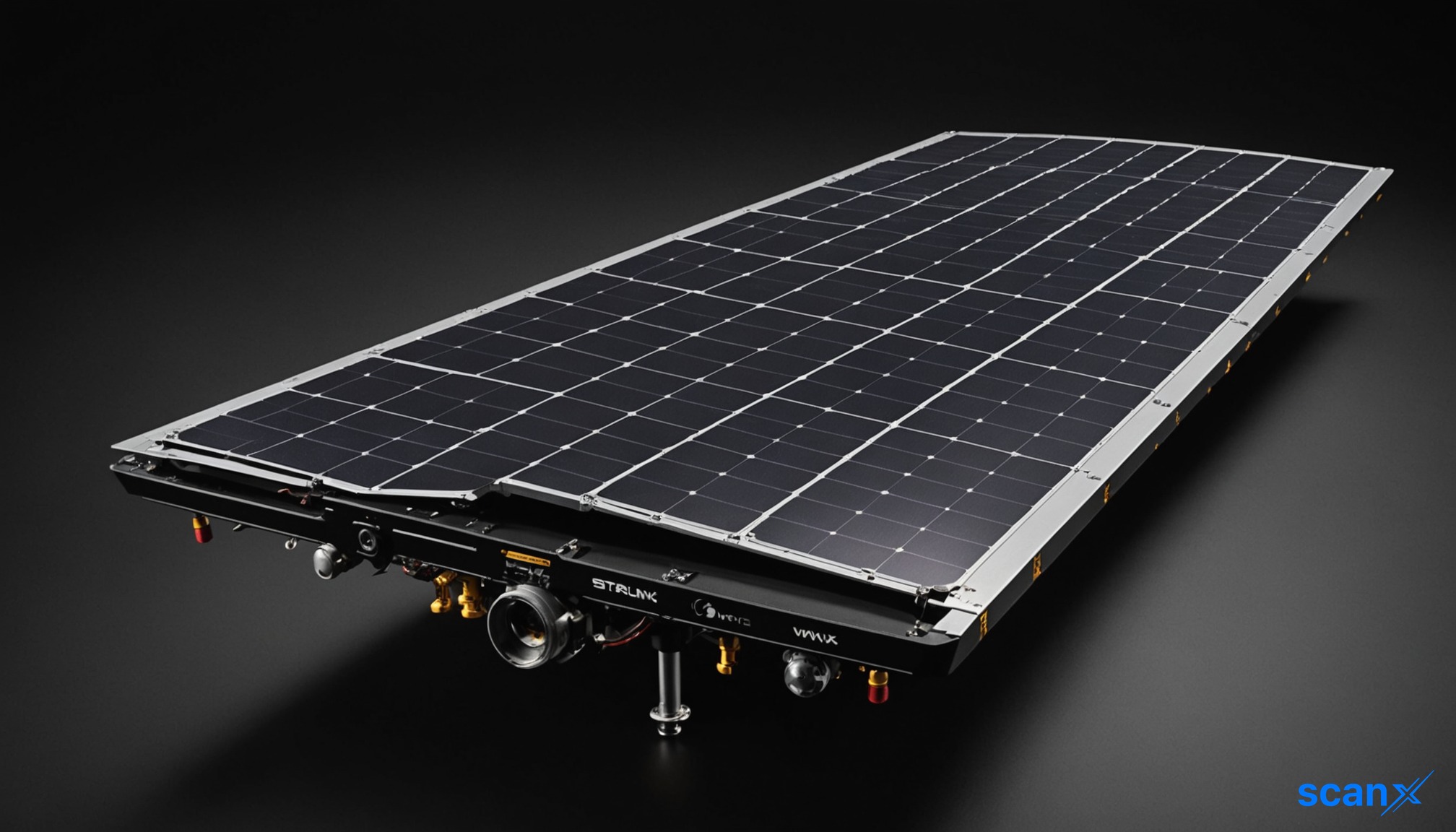

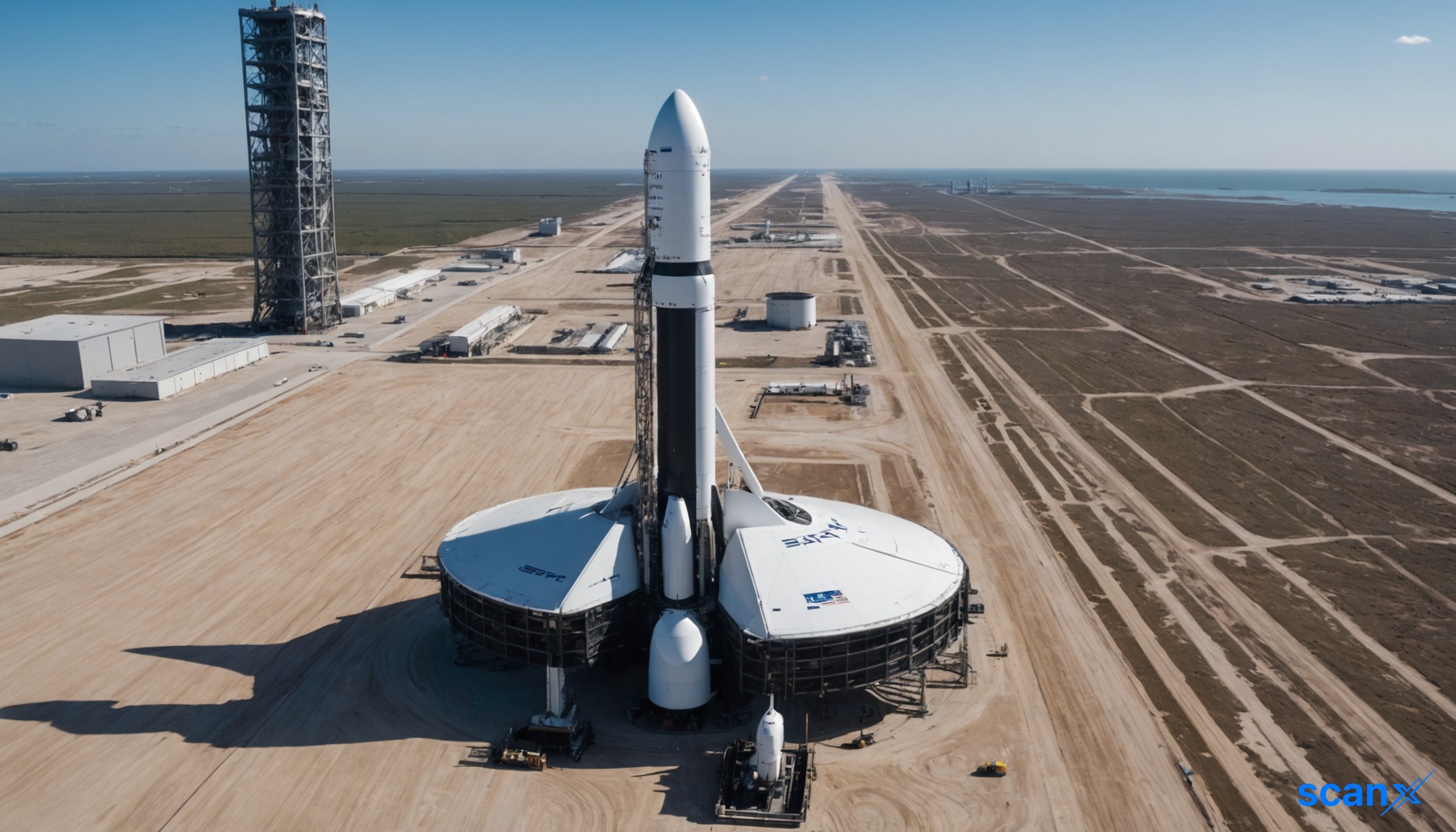
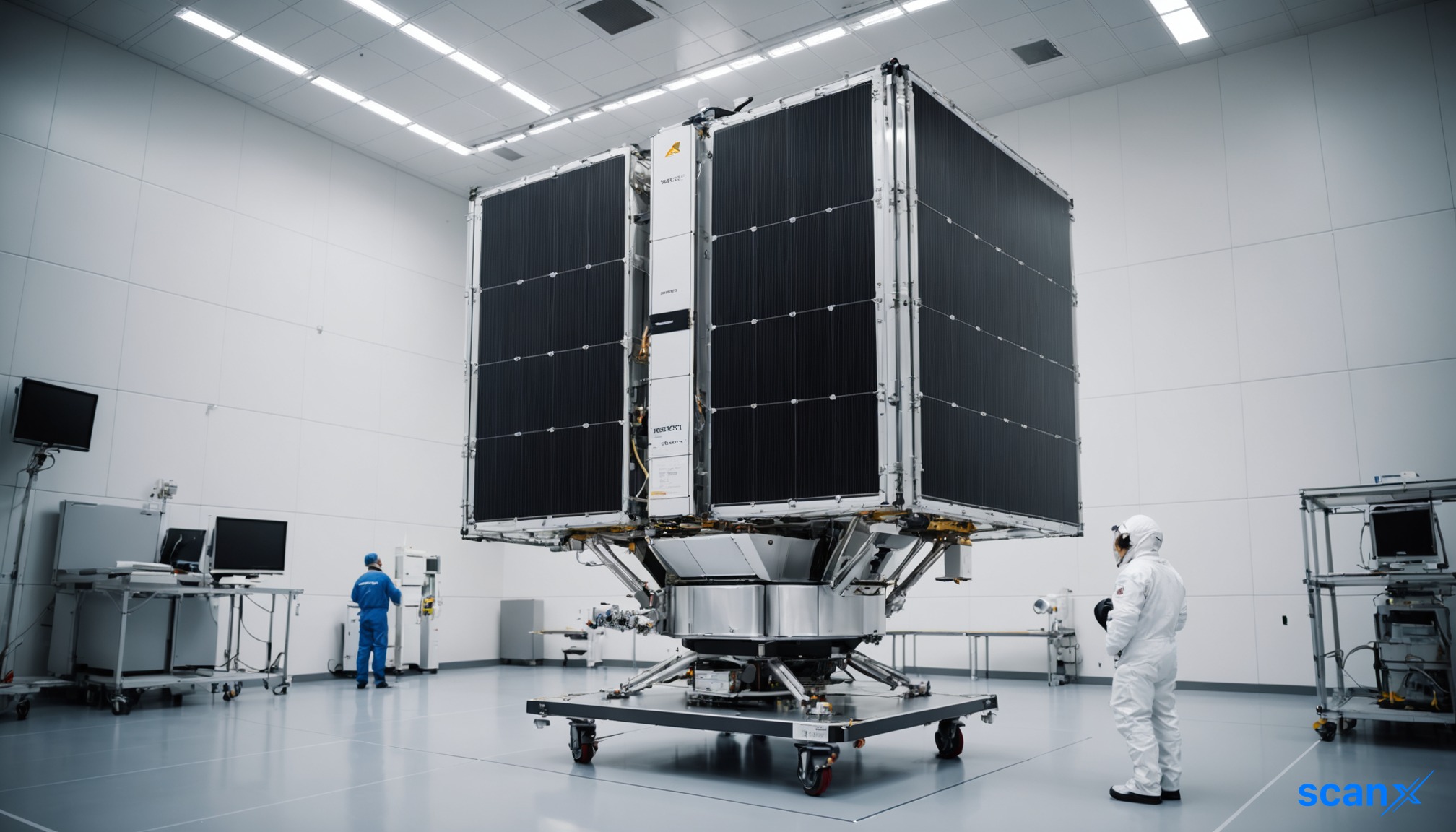
*this image is generated using AI for illustrative purposes only.
Shares of Space Exploration Technologies Corp (NASDAQ: SPCX) rose 1.21% to $152.69 on Thursday morning, driven by a major operational milestone for its Starship vehicle and a significant new contract from a key supplier.
Starship achieves first orbital payload deployment
The primary catalyst for the share movement was SpaceX’s successful launch of Starship Flight 14 from Starbase, Texas, on Monday. This mission marked the first time the vehicle reached orbit and delivered a meaningful payload, deploying 26 Starlink V3 satellites. Although the mission was classified as expended rather than recovered, the upper stage completed a controlled reentry and splashdown in the Pacific Ocean. The Super Heavy booster also completed its planned landing-burn test before splashing down in the Gulf.
Despite a Raptor engine shutting down during ascent, the vehicle maintained its trajectory. The flight lasted approximately three hours, significantly shorter than the originally planned ten-hour profile, but achieved its core objective of orbital insertion and satellite deployment.
Filtronic secures largest SpaceX contract
Adding to the positive sentiment, U.K.-based Filtronic plc announced a follow-on order from SpaceX valued at $68.1 million. This represents the largest order Filtronic has received from the space company to date. The contract covers Cerus E-band gallium nitride solid-state power amplifier units, which are critical for low-Earth-orbit satellite communications. Filtronic expects to fulfill a substantial portion of this order during fiscal 2028, reinforcing its strategic relationship with SpaceX.
Operational pace accelerates with triple-launch window
SpaceX is also targeting a rare single-day triple-launch milestone on Thursday, demonstrating increased operational cadence. The schedule includes:
- Crew-13 Mission: A Falcon 9 rocket carrying four astronauts to the International Space Station, scheduled for 11:10 am ET from Cape Canaveral.
- Transporter-18: A rideshare mission delivering 130 payloads to low-Earth orbit, targeting an 11:18 am PT window from Vandenberg Space Force Base.
- NROL-97: A Falcon Heavy launch carrying a classified payload for the National Reconnaissance Office, slated for 11:53 pm ET from Kennedy Space Center.
If all three liftoffs proceed as scheduled, SpaceX will complete three orbital launches within a 13-hour window.
Index inclusion drives passive buying
SpaceX’s weighting in the Nasdaq-100 index was significantly increased following the quarterly rebalance that took effect earlier in September. The weight rose to 2.82% from approximately 1.28%. This adjustment is expected to trigger billions of dollars in additional buying by passive funds and exchange-traded funds tracking the index, providing structural support to the stock price.
What the numbers show
The divergence between the shortened flight duration and the successful payload deployment highlights a shift in testing priorities. While the three-hour flight fell short of the ten-hour plan, the deployment of 26 satellites validates the core capability of Starship to reach orbit with useful cargo. Simultaneously, the $68.1 million Filtronic order, set for fulfillment in fiscal 2028, indicates long-term supply chain commitments that extend well beyond immediate operational milestones.

How will the successful deployment of Starlink V3 satellites impact SpaceX's future broadband capacity and competitive positioning against emerging low-Earth orbit rivals?
What are the potential supply chain bottlenecks or cost implications for Filtronic as it scales production to meet the $68.1 million order by fiscal 2028?
Can SpaceX sustain a triple-launch daily cadence long-term, and how might this operational pace influence its ability to secure additional commercial and government launch contracts?
 18









 Access Market Heat-map & Insights
 Create, Save & Share your Screener
 Use 200+ Screening Filters





