

Munster sees Grok 5 as key engineering tool with SpaceX data


- Gene Munster predicts Grok 5 will be a game changer due to integration of 25 years of SpaceX data
- Grok 4.7 released on Sept. 21, scoring 46.3% on CursorBench 4.0 versus 40.4% for Grok 4.6
- SpaceX AI revenue jumped 250% year over year in Q2, with AI capital spending at $15.83 billion
- Colossus II facility uses Nvidia GB200 and GB300 processors to train Grok 5


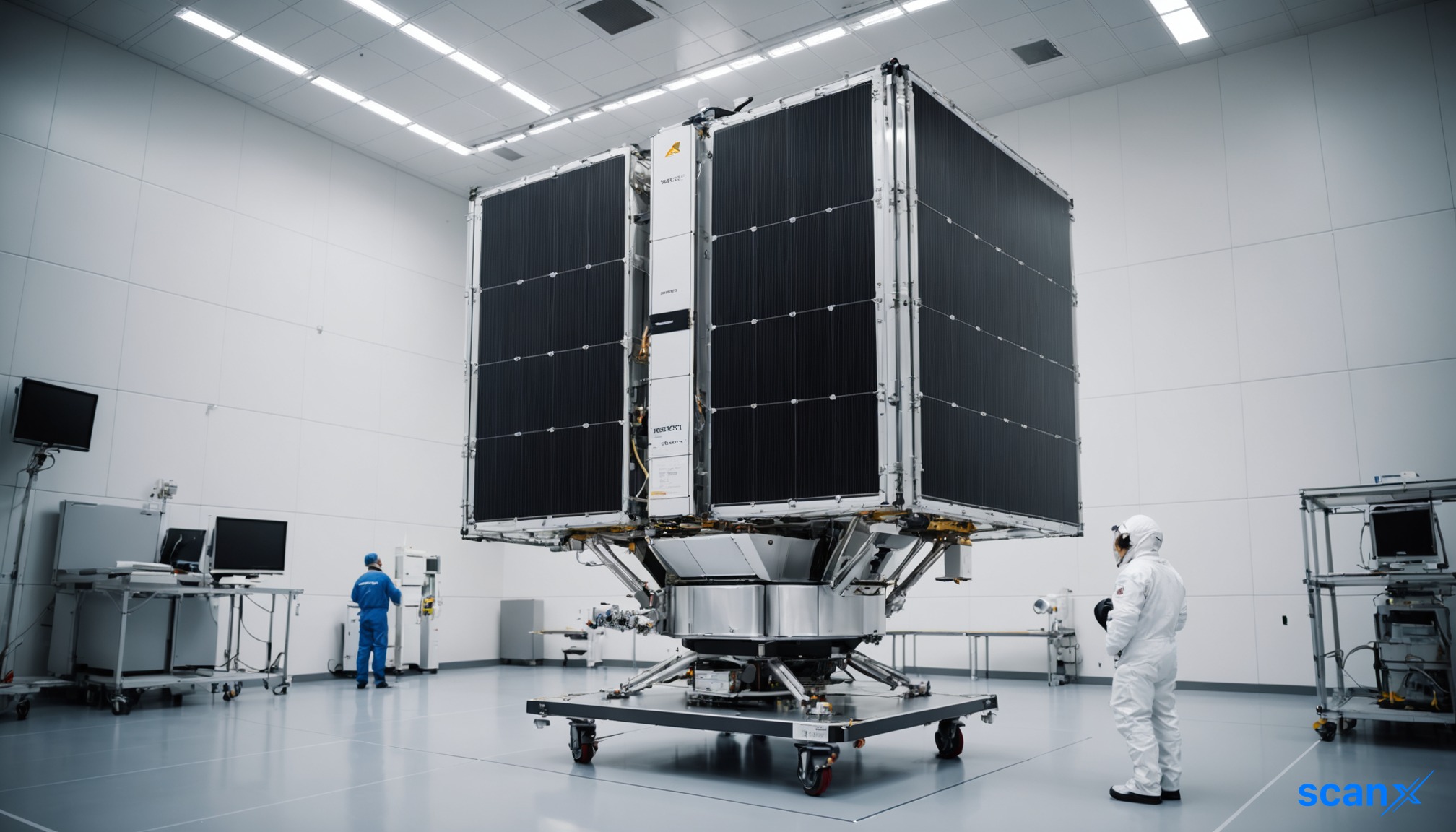
*this image is generated using AI for illustrative purposes only.
Deepwater Asset Management’s Gene Munster predicted Grok 5 could become "the most useful engineering tool in history" as Space Exploration Technologies Corp. (NASDAQ: SPCX) prepares to train the model on its quarter-century of engineering data.
Timely release of Grok 4.7
Munster made the call after SpaceXAI released Grok 4.7 on Monday, Sept. 21, about three weeks after Musk’s Sept. 1 target. "For all the heat that Elon gets on product delays, it’s worth noting that he effectively shipped a product on time today," Munster wrote on X, calling Sept. 1 and Sept. 21 "essentially the same." SpaceXAI officially launched the model Monday.
"This increases the odds that Grok 5, which will be a game changer (mark my words) comes out more or less on time. Elon said that would be late this year," he said.
Integration of SpaceX data
"What’s going to make Grok 5 special is it’s ‘incorporating the entire corpus of SpaceX data. Basically, all the data that SpaceX has ever produced, which is a tremendous amount over the course of a quarter century,’" Munster wrote, quoting Musk. "Translation: Grok 5 will be the most useful engineering tool in history."
SpaceX’s SEC filings show Grok 5 is already in development. Colossus II, its Memphis AI complex, currently trains the model, while SpaceX says the facility deployed Nvidia GB200 and GB300 processors at scale.
Performance metrics and financial context
Grok 4.7 became available through the Grok API, Cursor and Grok Build Monday. SpaceXAI, in its release notes calls it its strongest model for coding and knowledge work, with a 500,000-token context window. It uses a larger base model than Grok 4.6 and longer reinforcement-learning training weighted toward multi-hour tasks.
On xAI’s benchmarks, Grok 4.7 scored 46.3% on CursorBench 4.0 versus 40.4% for Grok 4.6 and 64% on EEBench. Those company-reported results show gains over Grok 4.6 but do not establish Grok 5’s performance.
| Metric | Value | Context |
|---|---|---|
| AI Revenue Growth | +250% | Year over year in Q2 |
| AI Capital Spending | $15.83 billion | Reported by Reuters |
| Compute Capacity | >2 GW | Expected this year |
| Target Capacity | ~10 GW | By end of 2027 |
Reuters reported that SpaceX’s AI revenue jumped about 250% year over year in the second quarter, while AI capital spending reached $15.83 billion. Musk said SpaceX expects more than two gigawatts of compute capacity this year and close to 10 gigawatts by the end of 2027.
What the numbers show
The combination of a 250% year-over-year jump in AI revenue and $15.83 billion in AI capital spending indicates an aggressive expansion phase where infrastructure costs are scaling rapidly alongside revenue growth. The reliance on Nvidia GB200 and GB300 processors at Colossus II highlights a hardware-intensive strategy to support the training of models like Grok 5, which aims to leverage decades of proprietary engineering data.

How will the integration of 25 years of proprietary SpaceX engineering data specifically differentiate Grok 5 from competitors relying on public datasets?
Can SpaceX sustain the $15.83 billion capital expenditure pace while scaling compute capacity to 10 GW by 2027 without diluting margins?
What regulatory or national security implications might arise from training a frontier AI model on sensitive aerospace and defense-related engineering data?
 17







 Access 50+ Readymade Screeners
 Use 200+ Custom Filters
 Get Full Market Insights





