

Musk says SpaceX orbital compute costs will beat analyst estimates


- Musk claims orbital compute costs will be lower than Bhakdi's $68 billion estimate by 2028
- Wall Street analysts project 1 GW orbital compute costs between $160 billion and $180 billion
- Starship's maiden orbital launch is scheduled for September 28 after a delay from September 22
- Musk predicts Starlink will likely carry the majority of Earth's IP traffic long-term

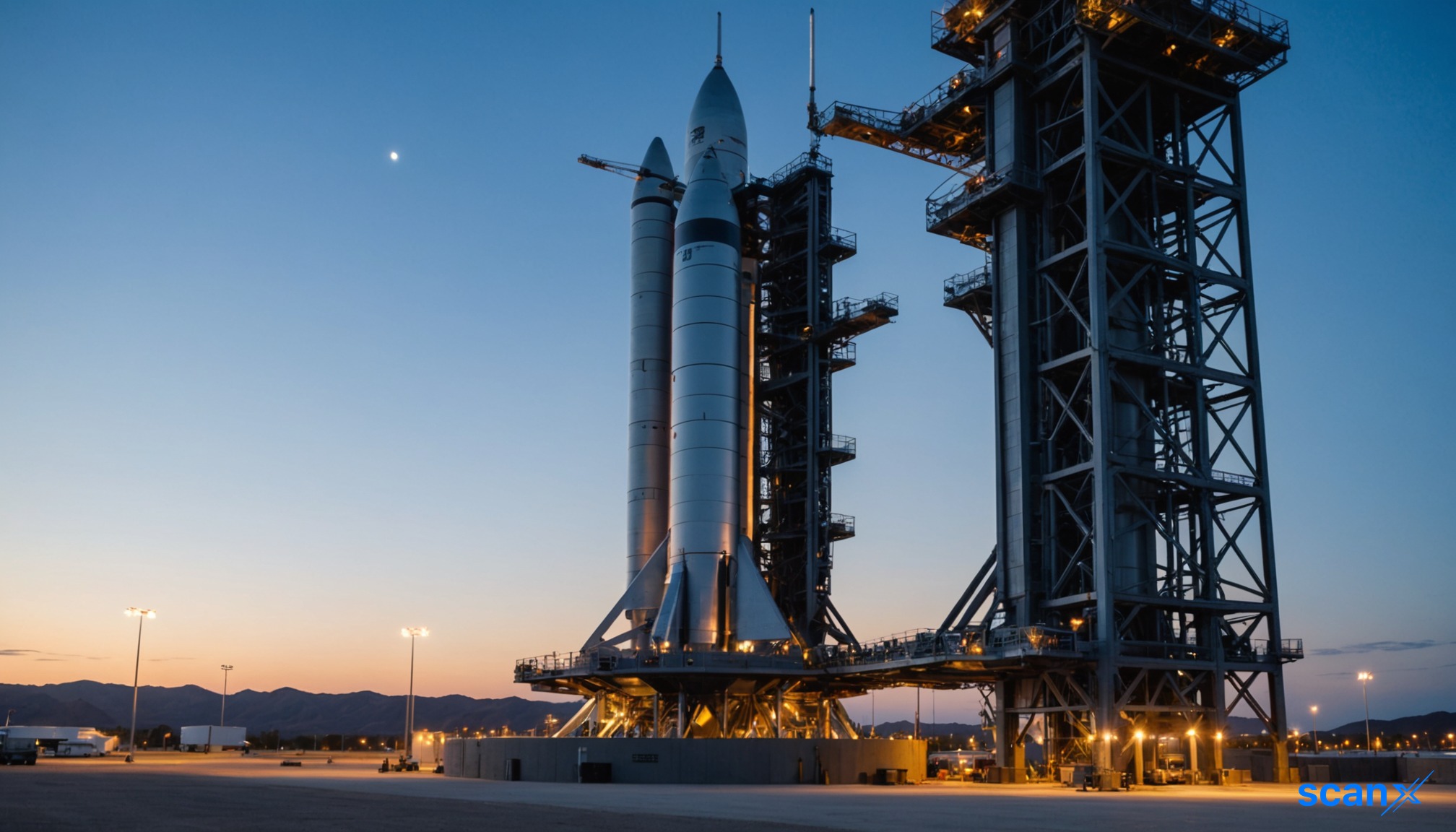

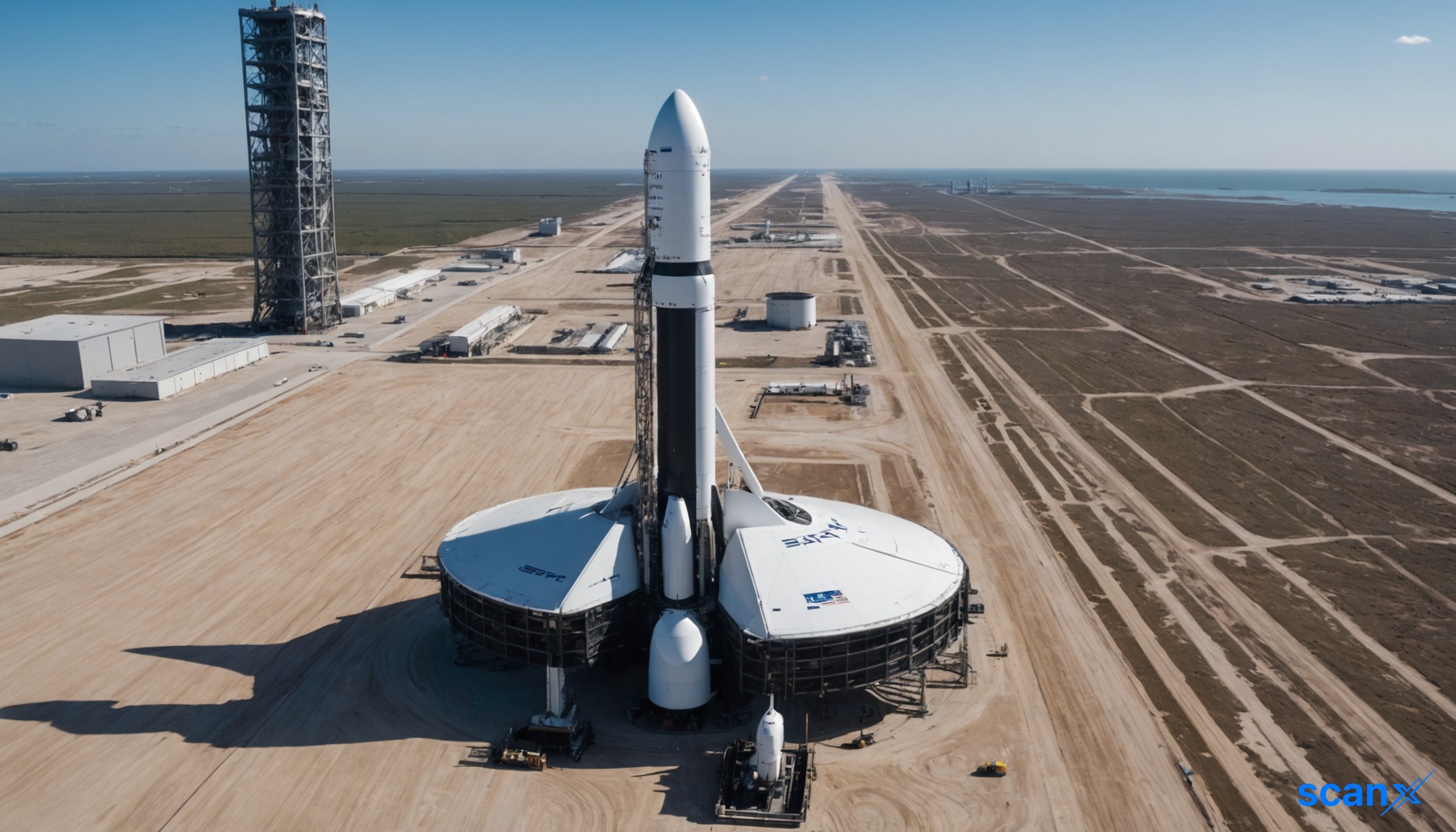
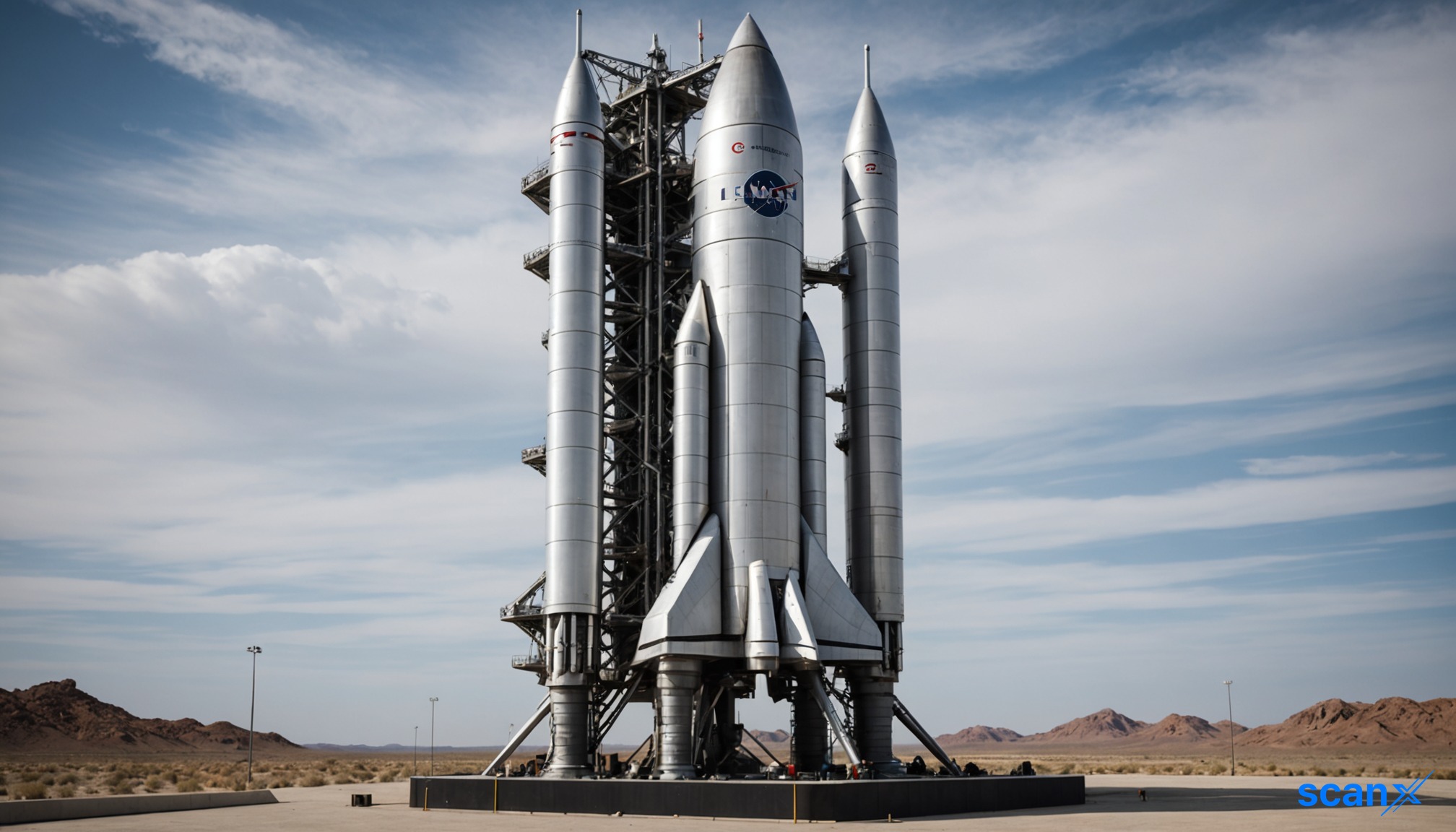
*this image is generated using AI for illustrative purposes only.
Space Exploration Technologies Corp. (NASDAQ: SPCX) CEO Elon Musk stated that the company’s orbital data center satellites will cost far less than Wall Street analysts predict. Musk made this claim ahead of Starship’s maiden orbital launch, challenging recent cost models for gigawatt-scale orbital compute.
Cost projections diverge from Wall Street estimates
Investment firm Mach33 CEO Aaron Burnett and other analysts have placed the cost of 1 GW of SpaceX orbital compute between $160 billion and $180 billion. Bank of America estimates this figure at approximately $165 billion, while Wood Mackenzie cites $170 billion. BNP Paribas noted that launch costs alone exceed $100 billion.
In contrast, user Jo Bhakdi presented a model calculating the total cost at $68 billion, falling to $43 billion by 2035. Responding to this disparity, Musk asserted on social media platform X that the actual costs would be "way better" than Bhakdi’s figures by 2028.
| Source | Estimated Cost for 1 GW Orbital Compute |
|---|---|
| Wall Street Range | $160 billion to $180 billion |
| Bank of America | ~$165 billion |
| Wood Mackenzie | $170 billion |
| BNP Paribas | >$100 billion (launch only) |
| Jo Bhakdi Model | $68 billion (all in) |
| Jo Bhakdi Model (2035) | $43 billion |
Starlink positioned as global internet backbone
Musk also reiterated his view that Starlink satellite internet service could eventually carry a majority of Earth’s IP traffic. In response to forecasts regarding Starlink V3 constellation deployments by 2028, he stated it is "increasingly probable" that Starlink will dominate long-term traffic.
Musk argued that once Starlink carries the majority of IP traffic, it would effectively become the internet itself, with other networks connecting to it rather than the reverse. This vision aligns with previous statements where Musk described Starlink as potentially more reliable than cable infrastructure.
Launch timeline and market reaction
The comments come as SpaceX prepares for the first orbital launch of its Starship rocket. The launch, initially scheduled for September 22, was delayed and is now set for September 28. The mission is expected to carry Starlink V3 satellites.
Following these announcements, SpaceX shares traded up 0.28% to $149.09 during overnight trading sessions.
What the numbers show
The divergence between Wall Street’s $160-$180 billion estimate and Bhakdi’s $68 billion model highlights a significant uncertainty in pricing emerging space-based infrastructure. While BNP Paribas attributes over $100 billion to launch costs alone, Bhakdi’s total all-in figure is lower than that single component, suggesting a fundamental disagreement on launch economics or hardware efficiency assumptions.

How might a successful Starship orbital launch validate or invalidate the lower cost assumptions for gigawatt-scale orbital compute?
What regulatory hurdles could arise if Starlink were to dominate the majority of global IP traffic, potentially becoming the de facto internet backbone?
If SpaceX achieves the projected $43 billion cost by 2035, how would this impact the competitive landscape for terrestrial data centers and cloud providers?
 17







 Access Market Heat-map & Insights
 Create, Save & Share your Screener
 Use 200+ Screening Filters





