

KKM Financial adds SpaceX to ETF citing Starlink revenue surge


- KKM Financial added SpaceX to the Mango Growth ETF after shares dipped below the $135 IPO price
- Starlink subscribers doubled to 12 million, driving Connectivity revenue up 66% to $4.3 billion
- SpaceX operates 11,000 active satellites compared to roughly 650 for Eutelsat OneWeb
- Jeff Kilburg cites vertical integration and Starship capacity as key competitive advantages

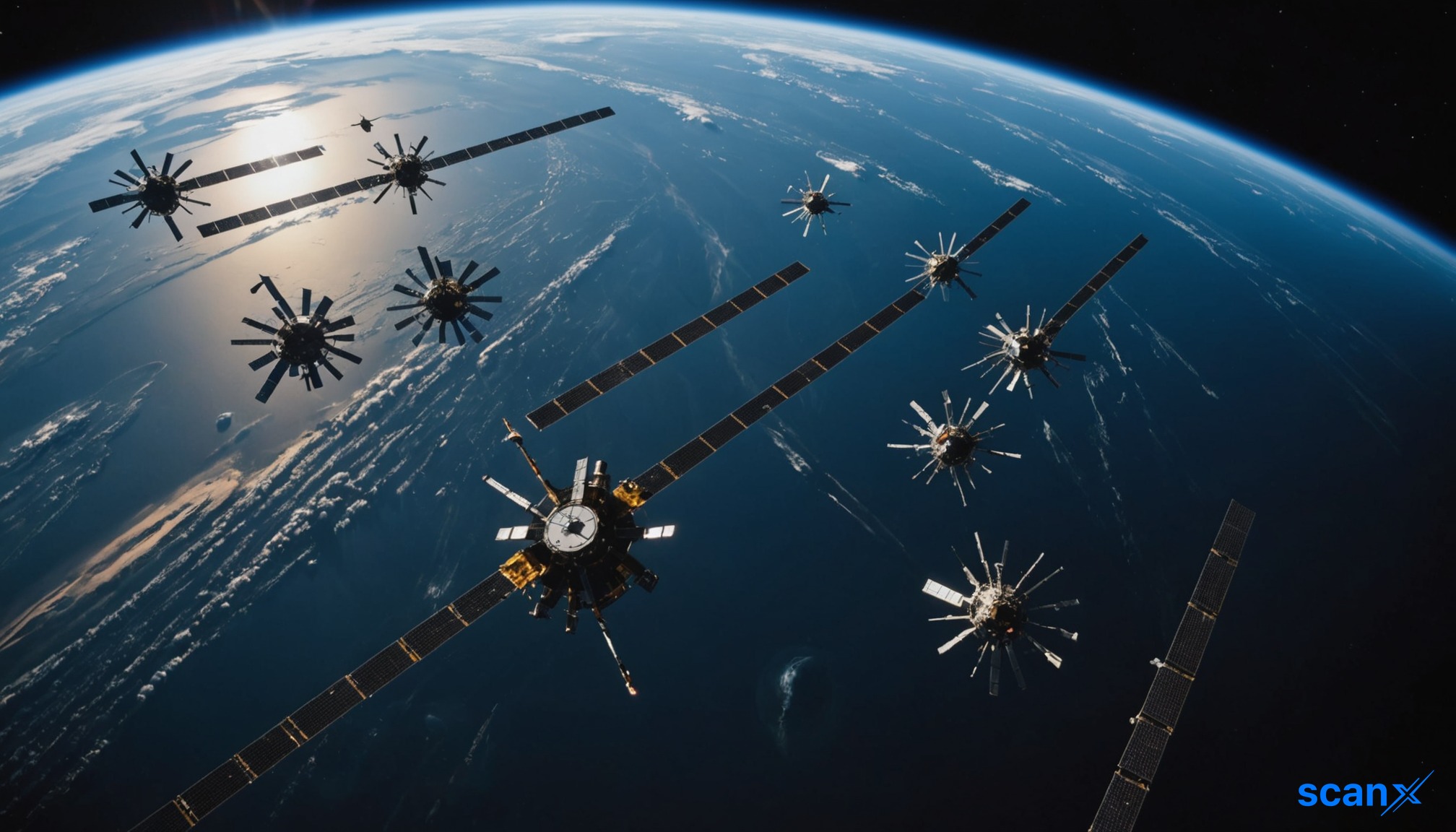

*this image is generated using AI for illustrative purposes only.
Jeff Kilburg, founder and CEO of KKM Financial, added SpaceX (NASDAQ: SPCX) to the Mango Growth ETF (NASDAQ: GARY) after the stock fell below its $135 IPO price. The move follows a recent dip in shares from a post-IPO peak of $225 to approximately $105, creating an entry point for the fund manager.
Kilburg identified Starlink, SpaceX’s high-speed internet network, as the primary driver of his bull case. He argued that the company’s value extends beyond rocket launches to its orbital infrastructure. This thesis was reinforced by SpaceX’s second-quarter results, where Connectivity revenue rose 66% to $4.3 billion.
Starlink subscriber base doubles
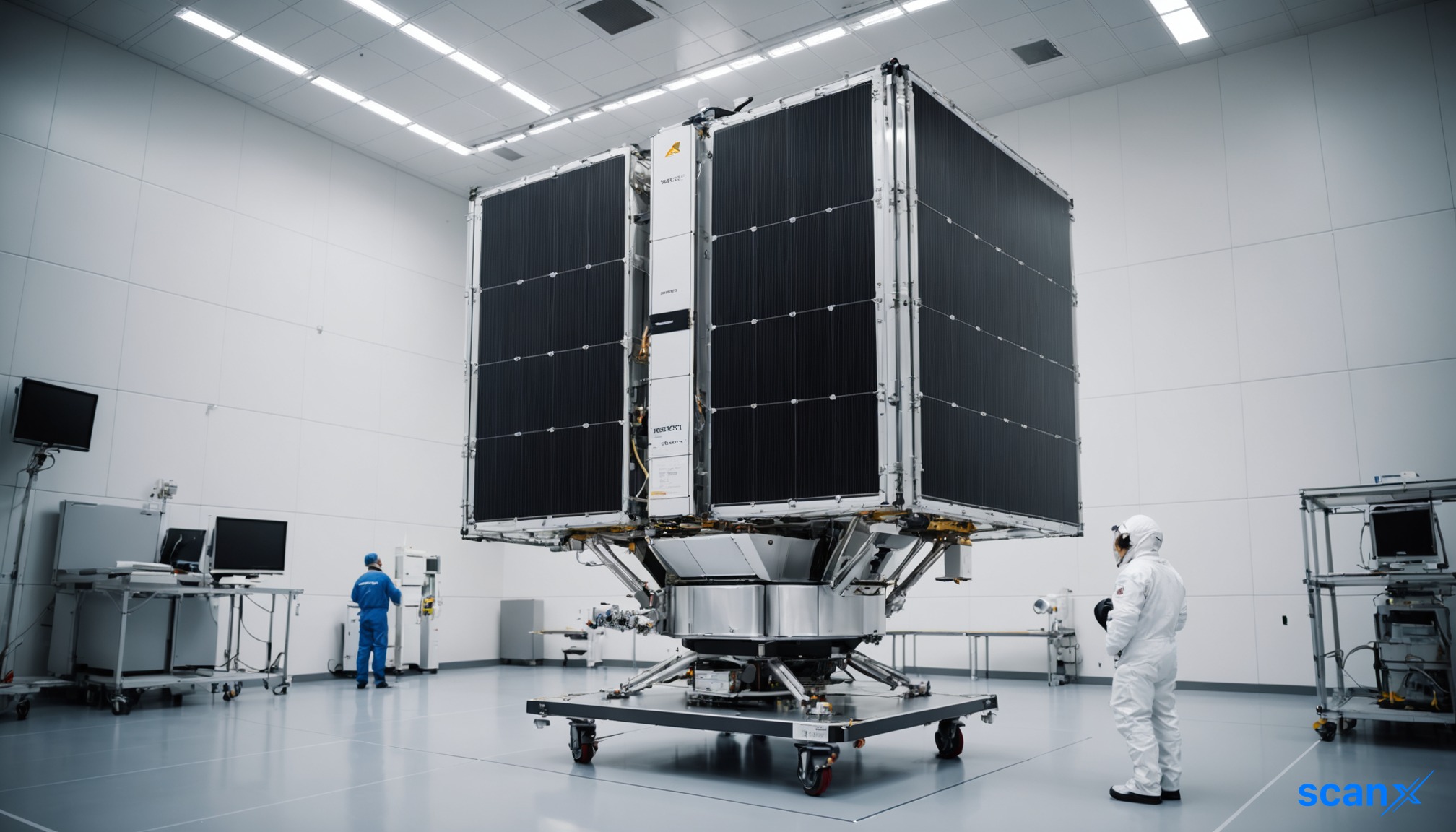
Starlink ended the second quarter with 12 million subscribers, a figure that doubled compared to the prior year. The network currently operates about 11,000 active satellites, significantly outpacing competitors like Eutelsat OneWeb, which has roughly 650 active satellites. Kilburg noted that the deployment of larger, higher-capacity satellites is central to future growth, particularly in direct-to-cell services and in-flight internet for commercial airlines.
Vertical integration advantage
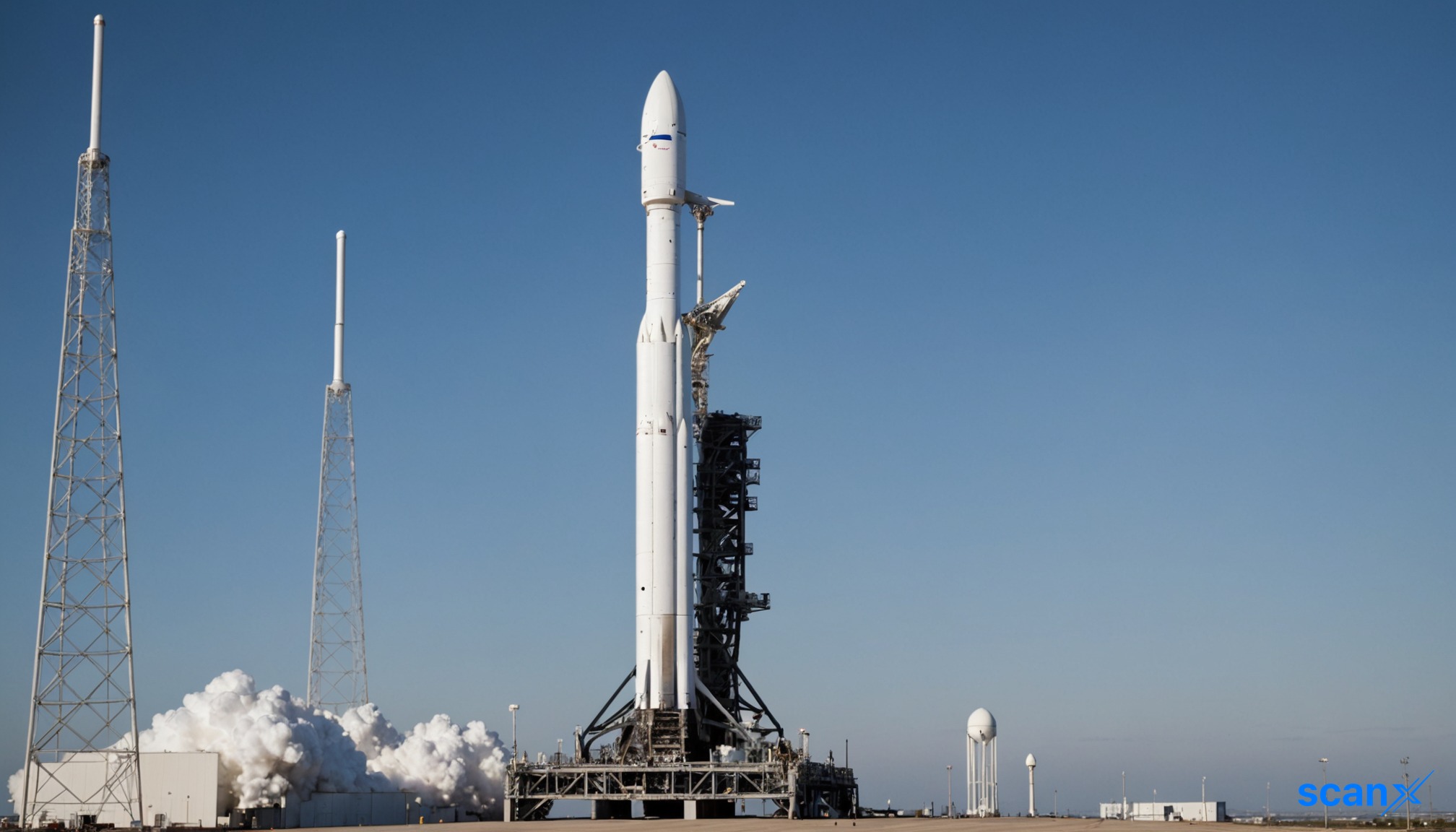
SpaceX benefits from vertical integration, using its own Falcon 9 and Falcon Heavy rockets to deploy Starlink satellites. This internal customer model contrasts with satellite operators who must purchase launch services from external providers. The recent first orbital flight of Starship, carrying 26 next-generation Starlink V3 satellites, aims to widen this competitive gap by enabling the transport of even larger payloads at lower costs.
What the Numbers Show
The correlation between subscriber growth and revenue expansion highlights the scalability of the connectivity business. With subscribers doubling and Connectivity revenue rising 66%, the data suggests that average revenue per user may have declined slightly or remained flat, indicating that growth is driven primarily by volume rather than pricing power. However, the sheer scale of the satellite constellation (11,000 vs 650 for OneWeb) creates a significant barrier to entry for competitors, supporting the argument that Starlink is becoming a dominant cash cow within the SpaceX ecosystem.
Technical levels and risks
The stock has recovered approximately 41% from its August low, trading near $150.64 at the time of publication. Kilburg identified the $135 IPO price, which aligns with the 50-day moving average, as a key support level. While he acknowledged potential volatility from upcoming lockup expirations, he characterized this as a technical issue rather than a fundamental shift in the long-term story. He also flagged risks associated with speculative ambitions such as computing in space, but maintained that the long-term opportunity justifies these risks.

How might the upcoming lockup expirations impact SpaceX's stock liquidity and price stability in the short term?
What regulatory hurdles could delay the widespread rollout of Starlink's direct-to-cell services with major commercial carriers?
How will the deployment of Starship and next-generation V3 satellites affect SpaceX's long-term capital expenditure requirements?
 19









 Create Custom Screeners
 Access 200+ Pre-built Filters
 Use 50+ Readymade Screener





