

Musk predicts SpaceX AI will reach GPT-6 level in three months


- Elon Musk predicts SpaceX will achieve GPT-6 level AI models within 2 to 3 months
- The company plans to add 660,000 GB300 GPUs by late December to its Colossus clusters
- Current infrastructure includes 670,000 GPUs, with 550,000 being GB200 or GB300 models
- JPMorgan estimates acquired platform Cursor generates $4 billion in annual recurring revenue
- SPCX stock declined 8.03% year-to-date, closing at $148.03 on Thursday

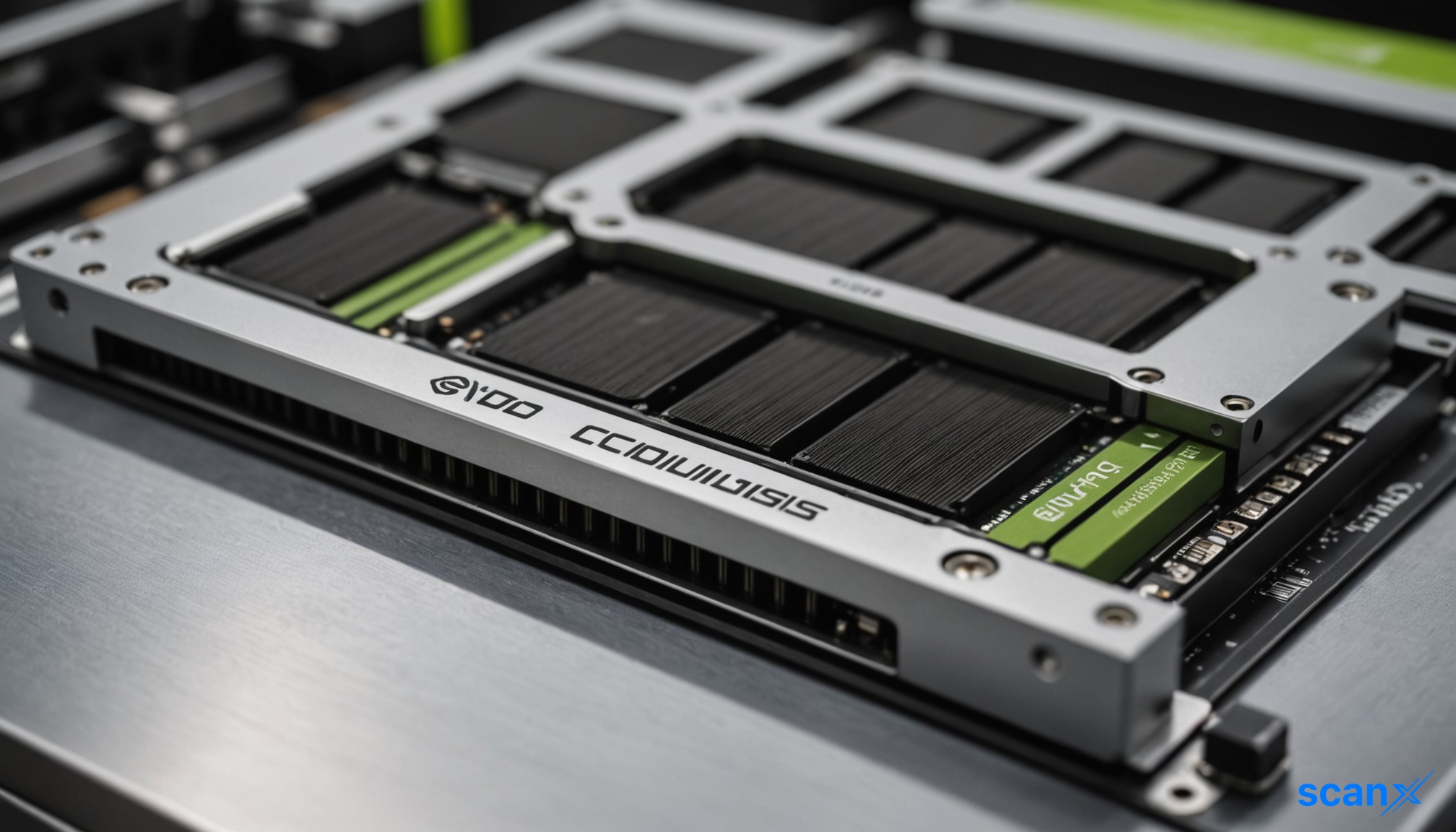

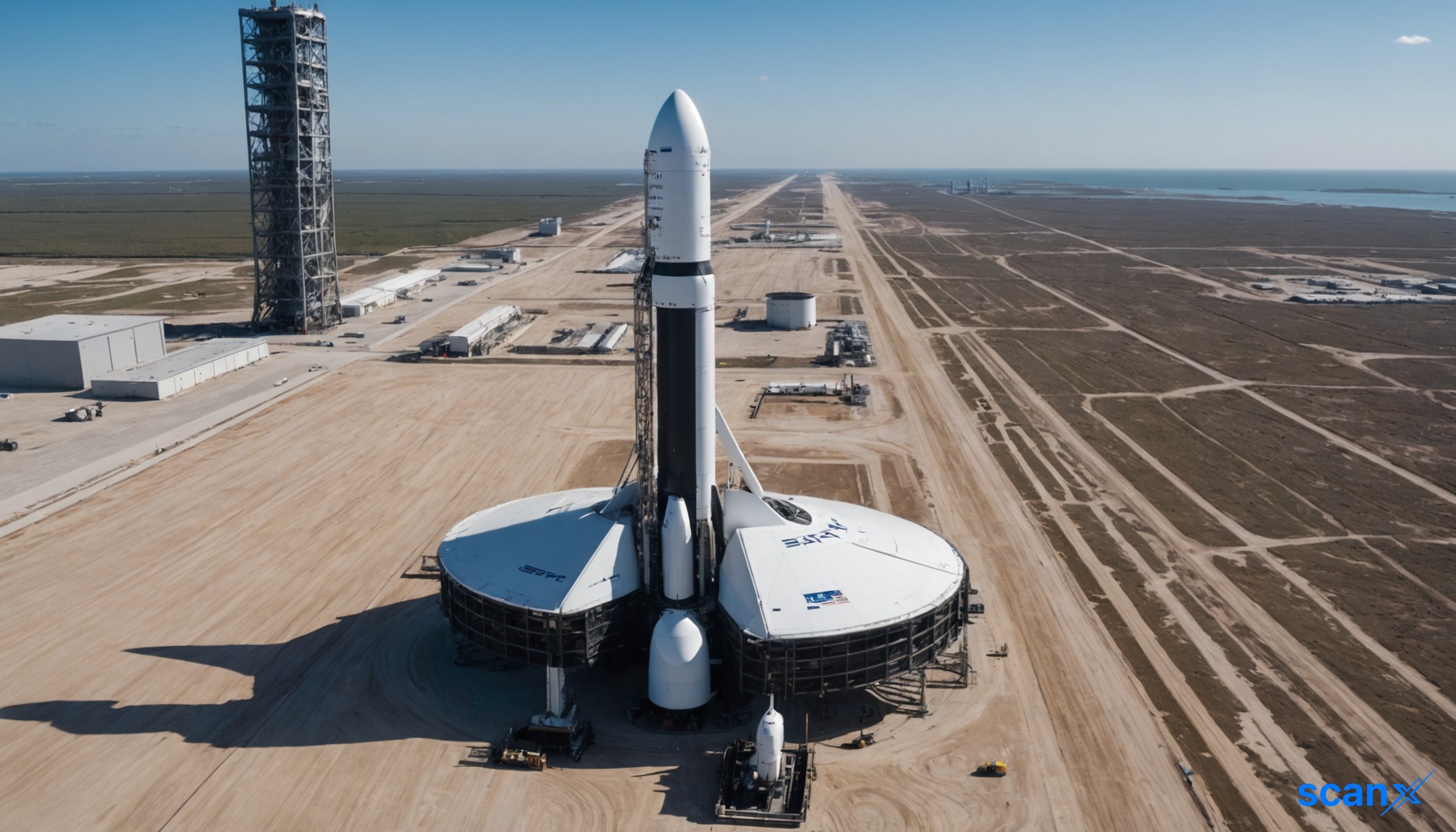
*this image is generated using AI for illustrative purposes only.
Elon Musk stated that Space Exploration Technologies Corp (NASDAQ: SPCX) is on track to develop an artificial intelligence model comparable to GPT-6 within two to three months. The CEO expressed cautious optimism regarding the timeline, noting that rapid deployment of computing infrastructure remains a key competitive advantage.
Musk emphasized that if the company's growth rate, or second derivative, remains strong, SpaceX could reach a leading position in the AI sector within six months. He highlighted that while competitors like Anthropic and OpenAI have been operating for six and ten years respectively, SpaceX's AI efforts are only three years old. The executive argued that beyond a certain intelligence threshold, additional capability offers diminishing returns for specific tasks, using the analogy of a "Newton-level" intellect in a toaster.
Massive GPU expansion underway
To support these ambitions, SpaceX is aggressively scaling its hardware infrastructure through its subsidiary, now referred to as SpaceXAI. The company’s Colossus superclusters currently house approximately 670,000 GPUs. Musk detailed the specific composition of these clusters and outlined immediate expansion plans to add hundreds of thousands of new units over the next few months.
| Cluster | GPU Type | Quantity |
|---|---|---|
| Colossus 1 | H100 | 150,000 |
| Colossus 1 | H200 | 50,000 |
| Colossus 1 | GB200 | 30,000 |
| Colossus 2 | GB200 | 110,000 |
| Colossus 2 | GB300 | 440,000 |
The expansion plan includes bringing another 220,000 GB300 GPUs online next week, followed by an additional 220,000 units in November. Musk noted that if successful, yet another 220,000 GB300 GPUs could be operational by late December, significantly boosting total compute capacity.
Strategic shifts and analyst views
SpaceX’s integration of AI capabilities has drawn attention from financial analysts. JPMorgan analyst Doug Anmuth noted that the company’s narrative is evolving beyond rockets and Starlink. The acquisition of the AI coding platform Cursor was identified as a strategic move to strengthen enterprise AI distribution. JPMorgan estimates Cursor generates about $4 billion in annual recurring revenue, with roughly 75% derived from business customers. This provides SpaceX with valuable coding data to enhance its Grok model.
Morgan Stanley analysts observed that SpaceX and Tesla Inc (NASDAQ: TSLA) are increasingly sharing technology, talent, and infrastructure to pursue opportunities in physical AI. The firm suggested that this growing overlap could eventually support a potential merger as investors look beyond traditional digital models.
What the numbers show
The disclosed GPU figures reveal a distinct strategic pivot toward next-generation hardware. Of the current 670,000 GPUs in the Colossus clusters, 550,000 are already GB200 or GB300 models, indicating that legacy H100 and H200 chips constitute less than half of the existing fleet. Furthermore, the planned addition of 660,000 GB300 GPUs by late December would nearly double the total cluster size, with the new additions being exclusively high-end GB300 units. This suggests a concentrated effort to maximize compute density and efficiency rather than simply increasing volume with older architecture.
Market data indicates that SPCX stock closed 0.22% lower at $148.03 on Thursday. On a year-to-date basis, the shares have declined 8.03%.

How will the addition of 660,000 GB300 GPUs by late December impact global supply chain constraints for Nvidia's next-generation chips?
What are the regulatory implications of the growing technological and infrastructure overlap between SpaceX and Tesla regarding a potential future merger?
How might SpaceX's acquisition of Cursor, with its $4 billion ARR, reshape the competitive landscape for enterprise AI coding tools against incumbents like GitHub Copilot?
 18




 Access Market Heat-map & Insights
 Create, Save & Share your Screener
 Use 200+ Screening Filters





