Musk targets 30 Starship launches daily by 2030 for Moon, Mars

scanx
Reviewed by
Shriram SScanX News Team
Key Highlights
  • Elon Musk targets 30-plus Starship launches per day by 2030
  • Starship V3 designed for 100-ton payload; future versions up to 200 tons
  • Over $15 billion spent on Starship development to date
  • Flight 13 in July deployed 20 Starlink V3 satellites suborbitally
powered bylight_fuzz_icon
50318511

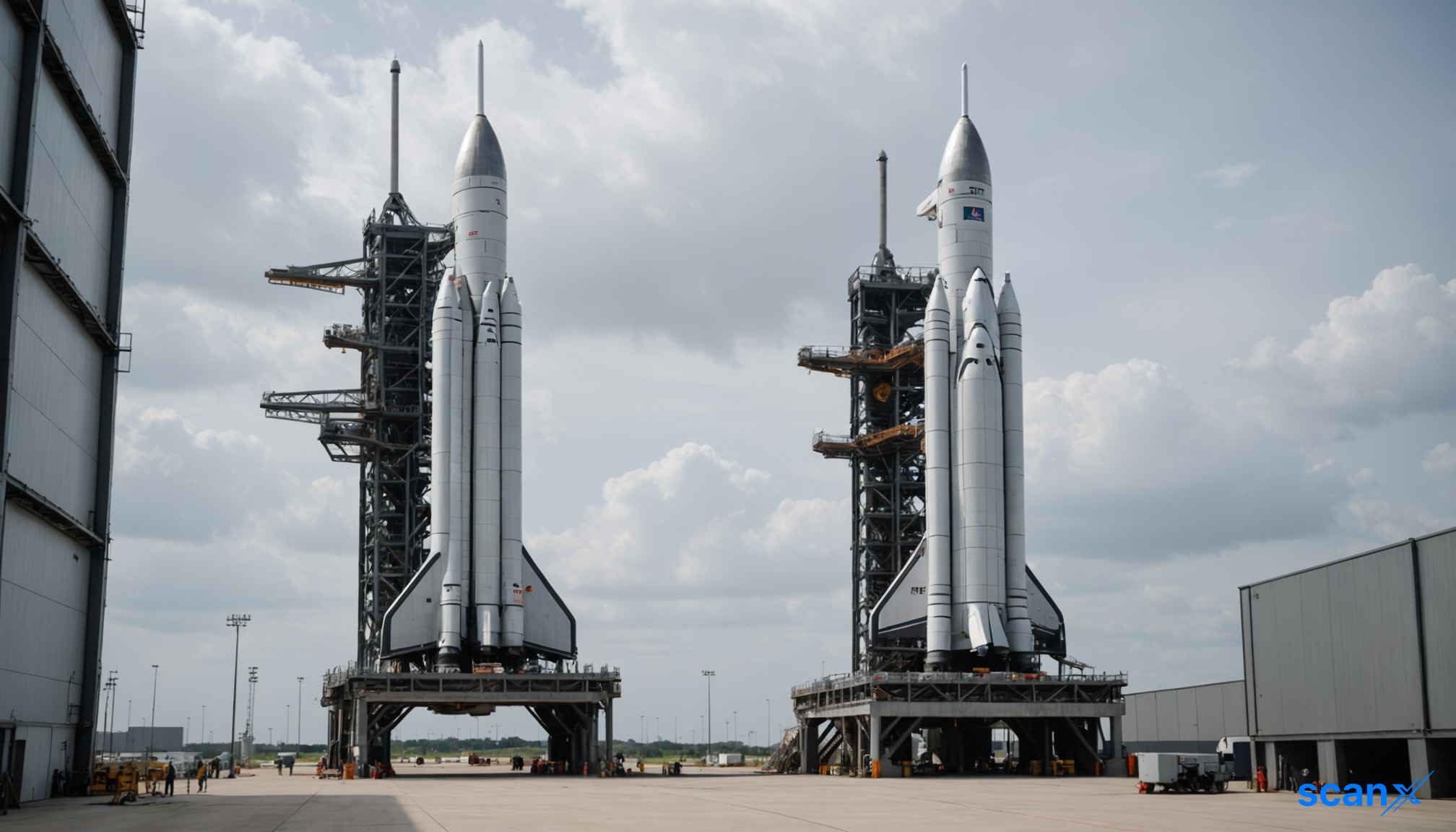
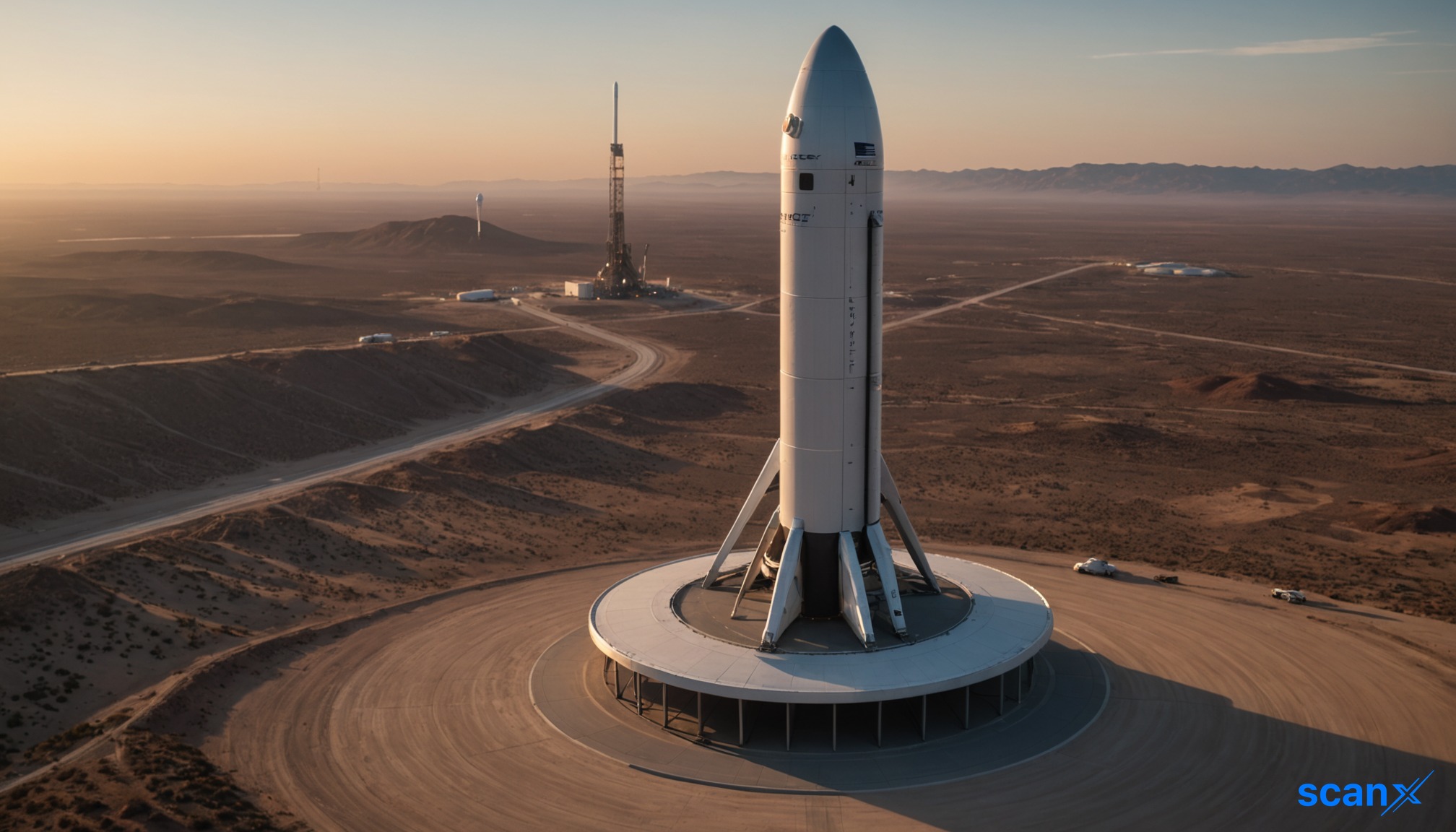
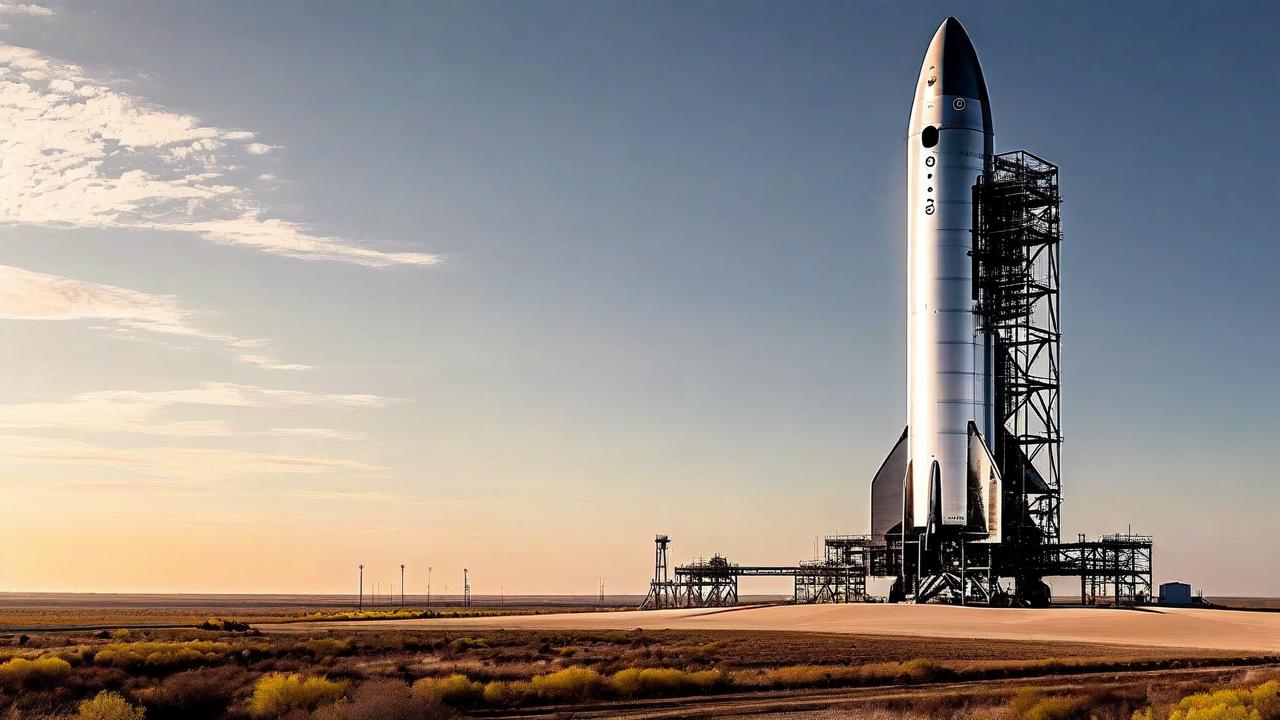
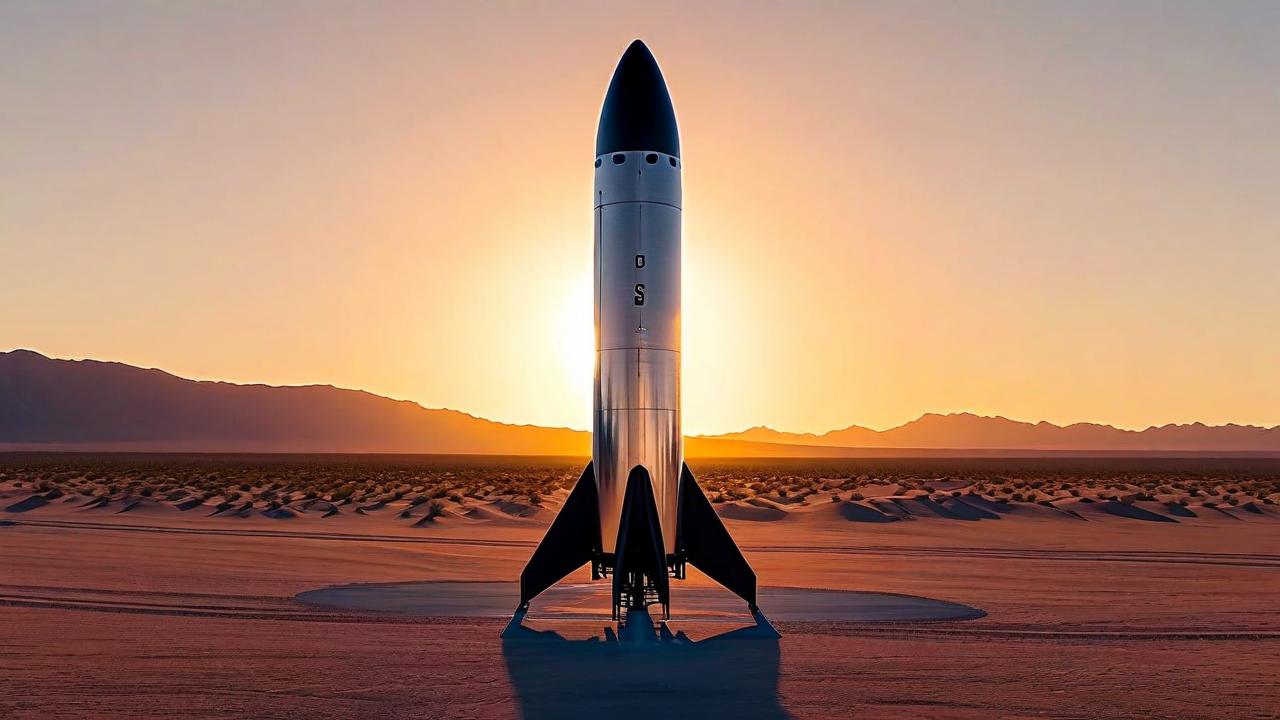
*this image is generated using AI for illustrative purposes only.

Elon Musk stated that establishing a lasting presence on the Moon and Mars requires moving unprecedented amounts of mass into space. He identified Space Exploration Technologies Corp.’s (NASDAQ: SPCX) Starship as the critical transport system to achieve this scale.

Payload Scale And Launch Cadence

Musk wrote on X on September 6, 2026, that extending consciousness to these destinations takes significant mass. This comment responded to an estimate citing more than 22,000 metric tons of usable payload placed in space since 1957. Musk referenced his August target of achieving 30-plus Starship launches per day by 2030. At a rate of 100 tons per launch, this cadence would equate to approximately 3,000 tons of payload daily.

SpaceX has not yet demonstrated launch rates close to this target. The company’s prospectus states that Starship V3 is designed to carry 100 metric tons to orbit in a fully reusable configuration. Future generations, potentially as early as Starship V4, could reach 200 metric tons. Orbital refueling is also cited as a method to extend cargo capacity beyond Earth orbit.

Development Milestones And Costs

Musk has adjusted his cadence ambitions over time. In February 2026, he suggested Starship could eventually launch every hour. By August, he set the specific 2030 target of 30-plus launches per day. To support thousands of flights annually, Musk has backed the development of new spaceports.

Starship development has cost SpaceX more than $15 billion. The vehicle recently completed Flight 13 in July, which briefly deployed 20 Starlink V3 satellites into suborbital space. Full reusability remains central to the business case, with SpaceX stating that both Starship and Super Heavy are designed to return and fly again without refurbishment.

What The Numbers Show

The gap between current capabilities and stated targets is substantial. With cumulative historical launch mass at 22,000 metric tons since 1957, the proposed 2030 cadence of 3,000 tons per day represents a theoretical acceleration in payload delivery orders of magnitude higher than all previous human spaceflight activity combined.

Disclaimer: This article is AI-generated using data from ViewTrade. ScanX is not liable for any inaccuracies.

How will the proposed launch cadence of 30-plus Starship flights per day impact global regulatory frameworks and airspace management systems?

What are the projected environmental consequences of daily heavy-lift launches, and how might this influence public perception or policy restrictions?

Can SpaceX realistically achieve full reusability without refurbishment at such high frequencies, and what are the implications for maintenance infrastructure costs?

like19
dislike

SpaceX president Shotwell defends Musk after documentary calls him miserable

scanx
Reviewed by
Shriram SScanX News Team
Key Highlights
  • Gwynne Shotwell defends Elon Musk against documentary claims of misery
  • Musk states he is happy 50% of the time, neutral 40%, sad 10%
  • Shotwell cites her 24-year tenure at SpaceX to support her view
  • Forbes reports Shotwell's net worth at $1.9 billion with 0.11% stake
powered bylight_fuzz_icon
50136176

*this image is generated using AI for illustrative purposes only.

SpaceX president and COO Gwynne Shotwell has publicly defended CEO Elon Musk after a documentary portrayed the billionaire as deeply unhappy.

Shotwell, who joined Space Exploration Technologies Corp (NASDAQ: SPCX) in 2002 as its 11th employee, took to X to support Musk’s mother, Maye Musk, who rejected the film’s characterization. "I’m with Maye!" Shotwell wrote. "Elon is extraordinary and (I know you’ve heard this) I love working for him (coming up on my 24th year doing so)."

She added, "I don’t love being around miserable people. Elon isn’t one of them."

Response to Documentary Claims

The controversy stems from Oscar-winning filmmaker Alex Gibney’s upcoming nearly four-hour documentary. The Hollywood Reporter previewed the film, citing an unnamed person who worked closely with Musk as describing him as "the most miserable man I’ve ever met."

Musk pushed back on the suggestion in an X post, offering his own assessment of his emotional state. "I’m happy about half the time, somewhere in the middle about 40% and sad about 10% of the time," Musk said.

Maye Musk also rejected the characterization, calling it "weird" and stating, "I haven’t seen him miserable, but that’s just me. His mom."

Shotwell’s Stake and Tenure

Shotwell’s long-standing role at SpaceX has contributed significantly to her personal wealth. According to Forbes, she currently has a net worth of about $1.9 billion.

Metric Detail
Net Worth $1.9 billion
Ownership Stake 0.11%
Tenure Nearly 24 years
Joining Year 2002

Shotwell is estimated to own a 0.11% stake in SpaceX. In June, she was featured on Forbes’ list of America’s Richest Self-Made Women, ranking among 43 women billionaires mentioned by the outlet.

What the Numbers Show

Shotwell’s 0.11% equity stake in SpaceX underpins her reported $1.9 billion net worth. This valuation implies a total company equity value of approximately $1.73 trillion based strictly on these two disclosed figures, highlighting the massive scale of capital appreciation for early employees despite small fractional ownership.

Disclaimer: This article is AI-generated using data from ViewTrade. ScanX is not liable for any inaccuracies.

How might the public controversy surrounding Elon Musk's personal well-being impact investor confidence and SpaceX's valuation ahead of potential IPO discussions?

Could Gwynne Shotwell's strong public defense of Musk signal a unified leadership front that mitigates internal governance risks for SpaceX stakeholders?

What are the implications of the implied $1.73 trillion equity valuation for future liquidity events or secondary market transactions for early SpaceX employees?

like19
dislike

More News on SpaceX