

Musk mocks critics of SpaceX orbital AI data centers


- Elon Musk criticized critics of orbital AI for ignoring thermal constraints like radiator heat rejection
- SpaceX plans up to 1 million satellites between 500 and 2,000 km altitude
- AI1 satellite designed for 250 kW peak compute and 175 kW average power
- NASA Administrator Jared Isaacman supports orbital data centers for solar energy access
- Data centers may consume 11.8% of US electricity by 2030

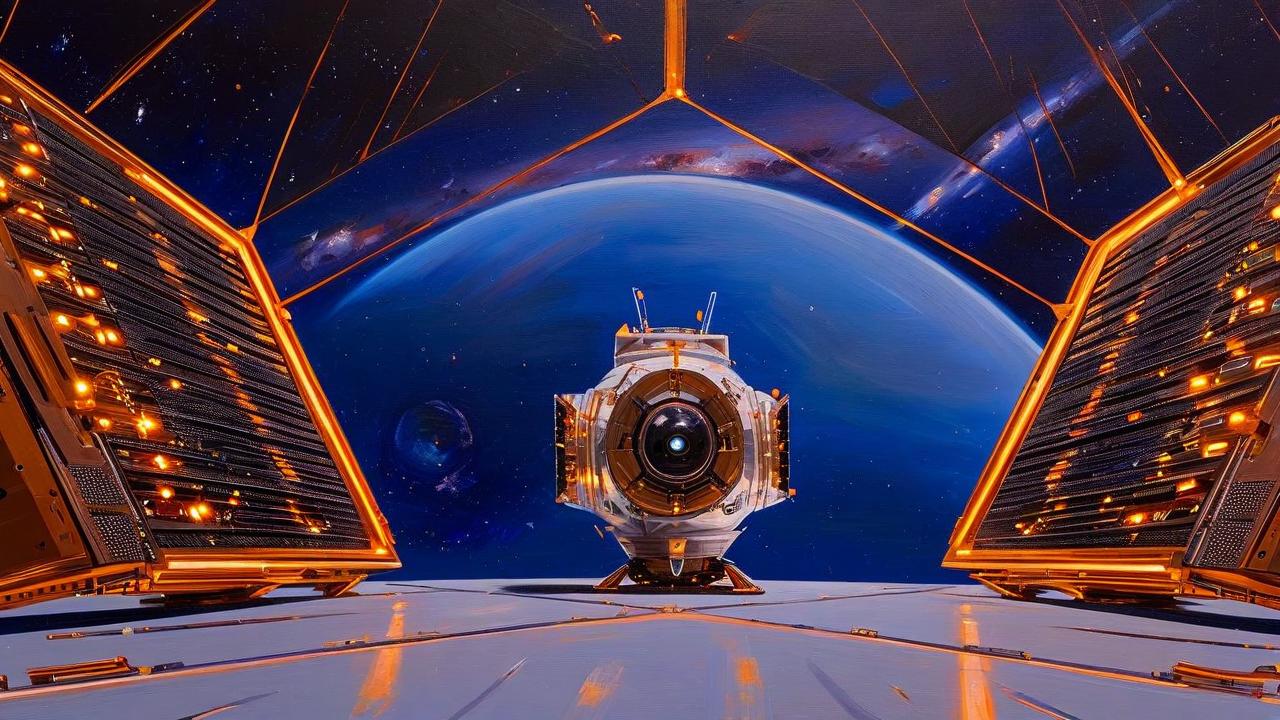

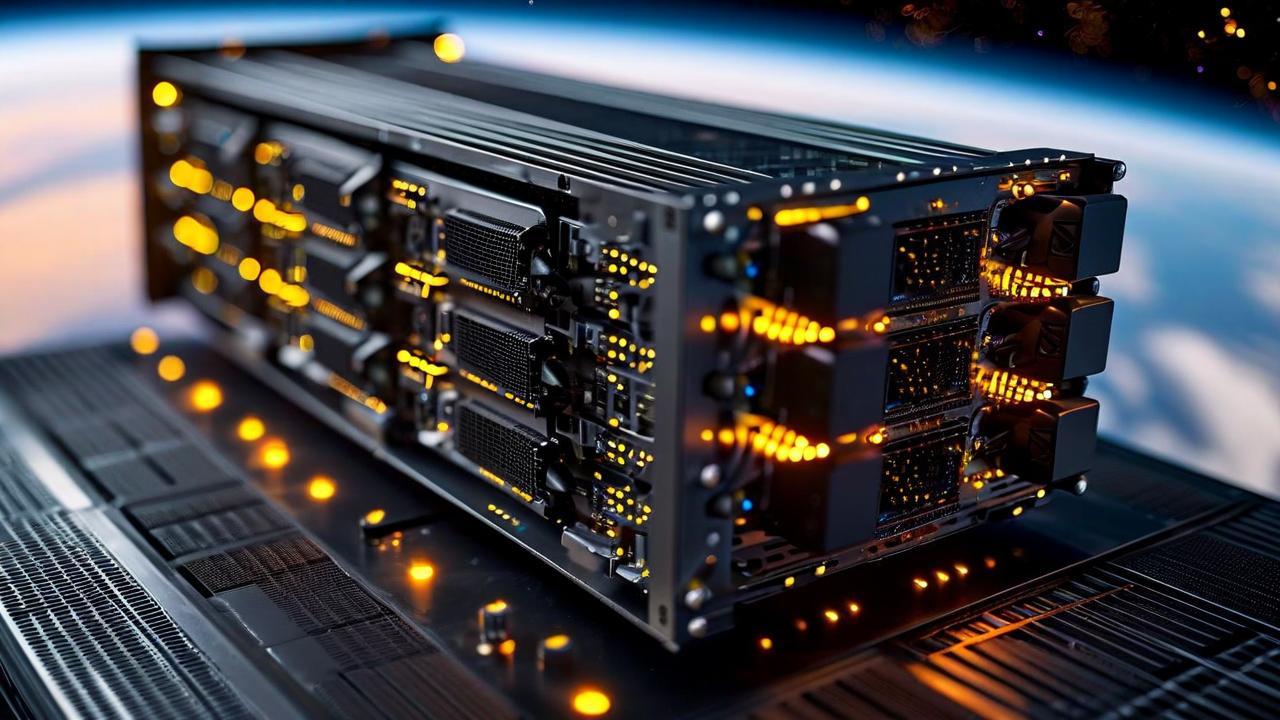
*this image is generated using AI for illustrative purposes only.
SpaceX CEO Elon Musk mocked critics who claim artificial intelligence data centers cannot operate in orbit due to cooling limits, arguing they lack understanding of basic thermal constraints.
Musk posted on X on August 31, 2026, that self-described experts dismiss orbital AI without knowing fundamental parameters such as heat rejection per square meter of radiator, coolant temperature, or maximum operating temperature of graphics processing units.
Response to Skepticism
The CEO was responding to investor Gavin Baker, who suggested physicists should be cautious about declaring orbital computing impossible after only a few hours of study. Baker noted that Space Exploration Technologies Corp. (NASDAQ: SPCX) engineers have spent significantly longer addressing the problem.
Baker cited a quote from Keanu Reeves: "Even if you say 1+1=5, you’re right. Have fun."
Engineering Challenges
Cooling remains a significant engineering hurdle for spacecraft, which cannot dump heat into surrounding air and must radiate waste heat into space.
Reuters reported in April that experts question whether SpaceX can economically manage heat, radiation exposure, launch costs, and hardware obsolescence.
Orbital Compute Strategy
SpaceX states its AI1 satellite is designed around these thermal constraints. The company’s Starmind page lists up to 250 kilowatts of peak compute and 175 kilowatts average power, alongside solar power and radiators.
SpaceX has asked the Federal Communications Commission to authorize up to 1 million orbital data-center satellites between 500 and 2,000 kilometers above Earth.
Industry Support
Musk has previously called solar-powered orbital data centers a "no-brainer" and predicted space would become the lowest cost place for AI within two or three years. He later stated, "Space is the only way to scale at scale."
NASA Administrator Jared Isaacman backed orbital data centers, arguing they could tap abundant solar energy to help the U.S. compete in AI and space races.
Lawrence Berkeley National Laboratory estimates data centers could consume 11.8% of U.S. electricity by 2030, with scenarios ranging from 9.5% to 15.3%.
What the Numbers Show
The divergence between Musk’s confidence in managing thermal loads via specific radiator and coolant metrics and expert skepticism regarding economic viability highlights a key tension in scaling AI infrastructure beyond Earth.

How will the FCC's review of SpaceX's request for 1 million orbital satellites impact regulatory frameworks for space-based infrastructure?
What specific advancements in radiator technology or coolant systems are required to make 250 kilowatts of peak compute economically viable in orbit?
Could the shift toward orbital data centers accelerate the development of reusable launch vehicles to mitigate high deployment costs?
 16








 Create Custom Screeners
 Access 200+ Pre-built Filters
 Use 50+ Readymade Screener





