

SpaceX builds turbine foundry to bypass GE Vernova supply constraints


- SpaceX building foundry in Bastrop, Texas, to cast gas turbine blades and vanes in-house
- Move aims to accelerate AI data center power deployment by up to 18 months
- Addresses bottleneck where few foundries can produce specialized high-temperature components
- GE Vernova faces similar constraints with orders extending into 2030
- Part of broader vertical integration strategy including Terafab semiconductor project

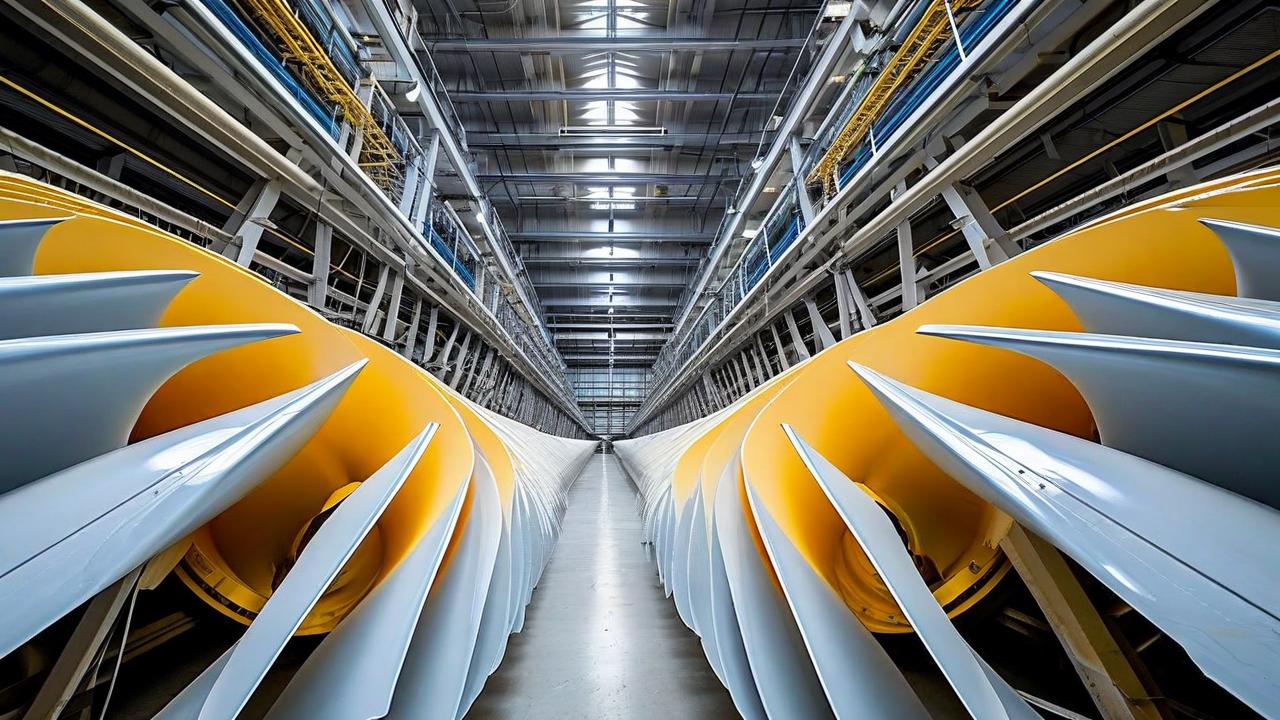

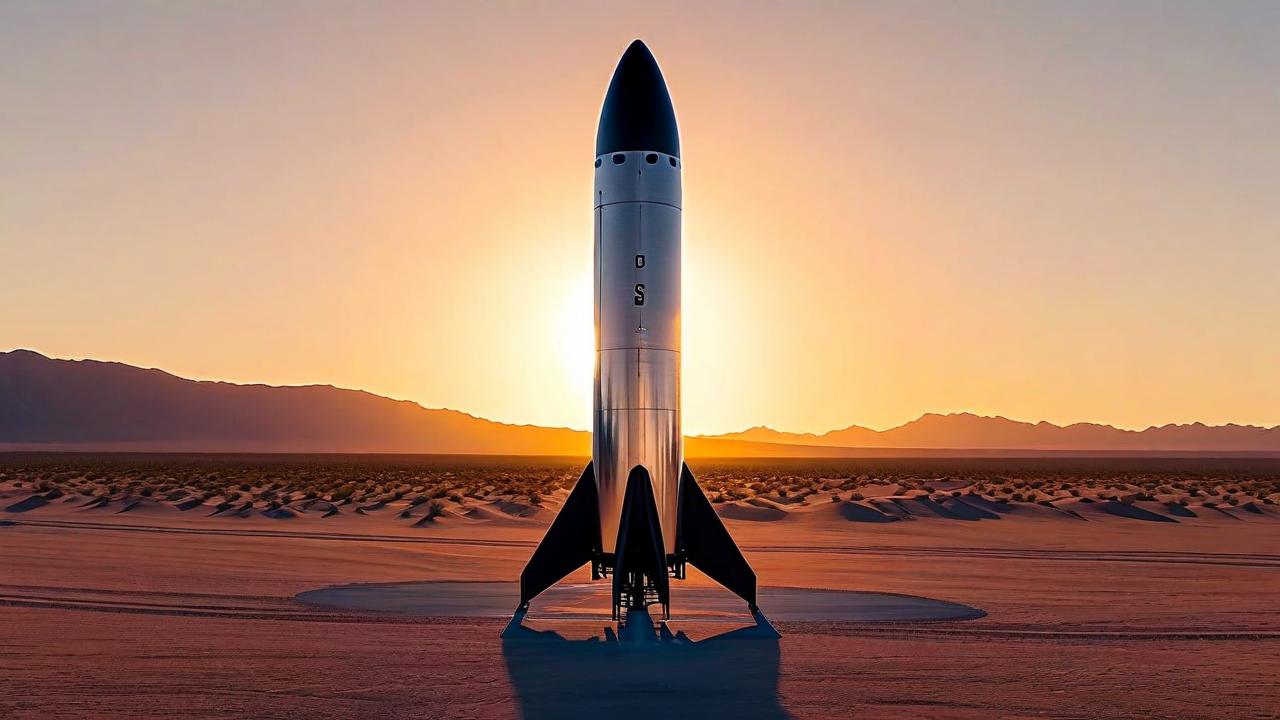
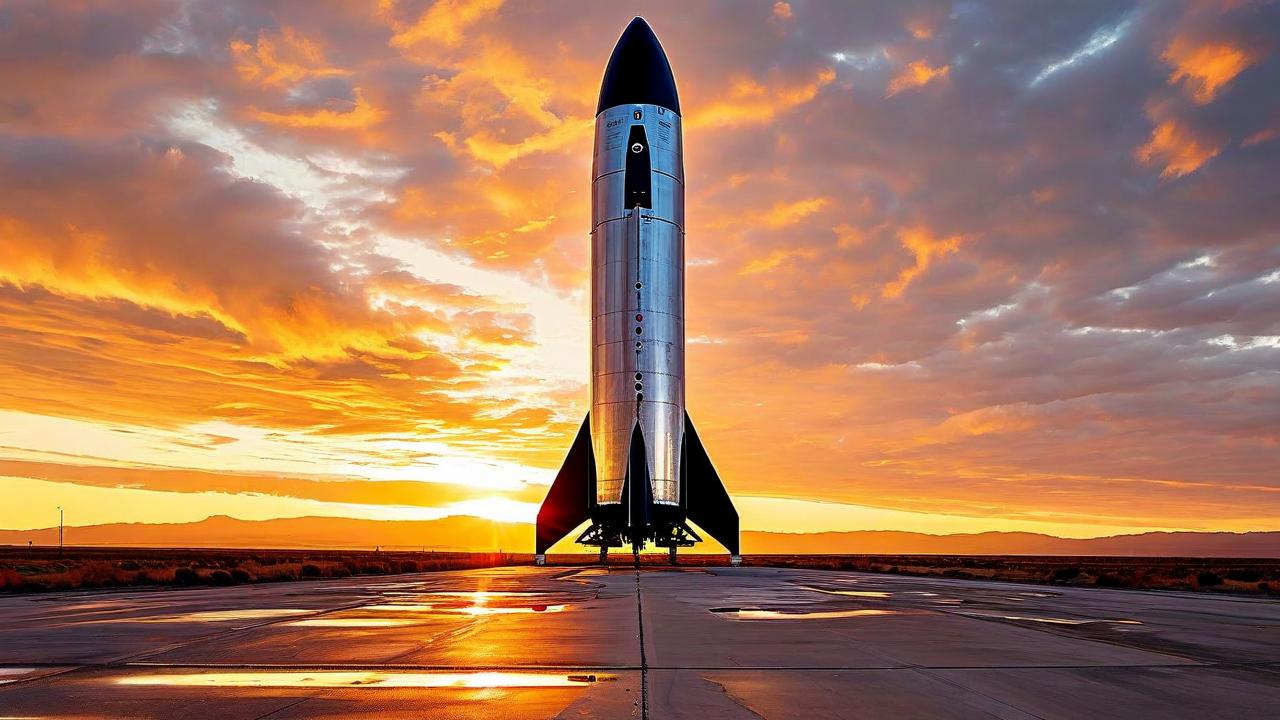
*this image is generated using AI for illustrative purposes only.
SpaceX is constructing a foundry in Bastrop, Texas, to cast blades and vanes for industrial gas turbines. The move aims to circumvent supply chain bottlenecks that are delaying the deployment of power infrastructure critical for artificial intelligence data centers.
Elon Musk confirmed on X that SpaceX is bringing the casting process in-house. He stated this vertical integration could accelerate the commissioning of natural-gas turbines by up to 18 months. The facility addresses a specific constraint in the manufacturing of components required for high-capacity energy generation. Musk noted that natural gas will still be needed to "supplement and bootstrap solar for several years," calling the result a "profound game-changer."
GE Vernova Supply Chain Pressure
GE Vernova Inc. (NYSE: GEV) has highlighted similar supply chain limitations. CEO Scott Strazik noted that the company has pressured suppliers to expand capacity to meet rising turbine demand. In summer 2024, GE Vernova instructed suppliers to increase output, providing capital for new furnaces in some instances.
GE Vernova is aiming to raise annual turbine production from approximately 20 gigawatts this year to 30 GW by the end of the decade. Strazik indicated that reaching 24 GW of annual output by 2028 depends on securing additional castings and forgings by 2027. Only a handful of companies can produce these highly specialized blades, which operate at temperatures of roughly 3,000 to 3,600 degrees Fahrenheit, requiring sophisticated casting techniques that are difficult to replicate quickly.
| Metric | Current/Target | Timeline |
|---|---|---|
| Annual Turbine Production | 20 GW | This year |
| Annual Turbine Production | 24 GW | 2028 |
| Annual Turbine Production | 30 GW | End of decade |
AI Power Demand Drivers
SpaceX has committed more than $2.8 billion to gas turbines over three years to support its Colossus data centers near Memphis. Manufacturing blades and vanes internally pushes the company further upstream into the supply chain segment that currently restricts delivery speeds. This effort connects to broader ambitions, including the development of Terafab, an ambitious semiconductor manufacturing project in Texas.
The broader context involves intensifying competition for power resources. Data Center Map lists 4,767 U.S. data centers. Kalshi traders assign a 66% probability that this number will reach at least 5,300 by year-end. This implies hundreds of additional facilities will compete for electricity capacity in the coming months. GE Vernova’s turbine business has seen orders extending into 2030.
What the Numbers Show
The divergence between GE Vernova’s production targets and its dependency on external casting capacity highlights a structural constraint in the industrial gas turbine sector. While GE Vernova plans to scale production by 50% over the decade (from 20 GW to 30 GW), its ability to hit the intermediate 24 GW target in 2028 is explicitly tied to supplier capacity expansions scheduled for 2027. SpaceX’s entry into component manufacturing suggests that hyperscalers may increasingly bypass traditional OEM supply chains to secure power infrastructure timelines. SpaceX is applying a philosophy of controlling physical systems around compute, from manufacturing to power, rather than simply buying hardware or leasing capacity.

How might SpaceX's vertical integration into turbine component manufacturing disrupt GE Vernova's pricing power and market share in the industrial gas turbine sector?
Could other hyperscalers like Amazon, Microsoft, or Google follow SpaceX's lead by acquiring or building their own foundries to mitigate supply chain risks for AI data centers?
What regulatory or environmental hurdles might SpaceX face in Texas regarding the expansion of natural gas infrastructure to support its 'bootstrap' strategy for solar energy?
 18





 Access Market Heat-map & Insights
 Create, Save & Share your Screener
 Use 200+ Screening Filters





