Musk says SpaceX will launch orbital Nvidia AI computers next year

scanx
Reviewed by
Shriram SScanX News Team
Key Highlights
  • Elon Musk claims SpaceX will launch Nvidia VR NLV72 AI computers in space next year
  • Internal IPO filings cite late 2027 for initial demonstrations and 2028 for broader deployment
  • The system uses 36 Vera CPUs and 72 Rubin GPUs in a space-adapted rack
  • Physics challenges include heat dissipation via radiators in a vacuum environment
  • SpaceX stock rose 0.63% to $152.16 following the announcement
powered bylight_fuzz_icon
50952901

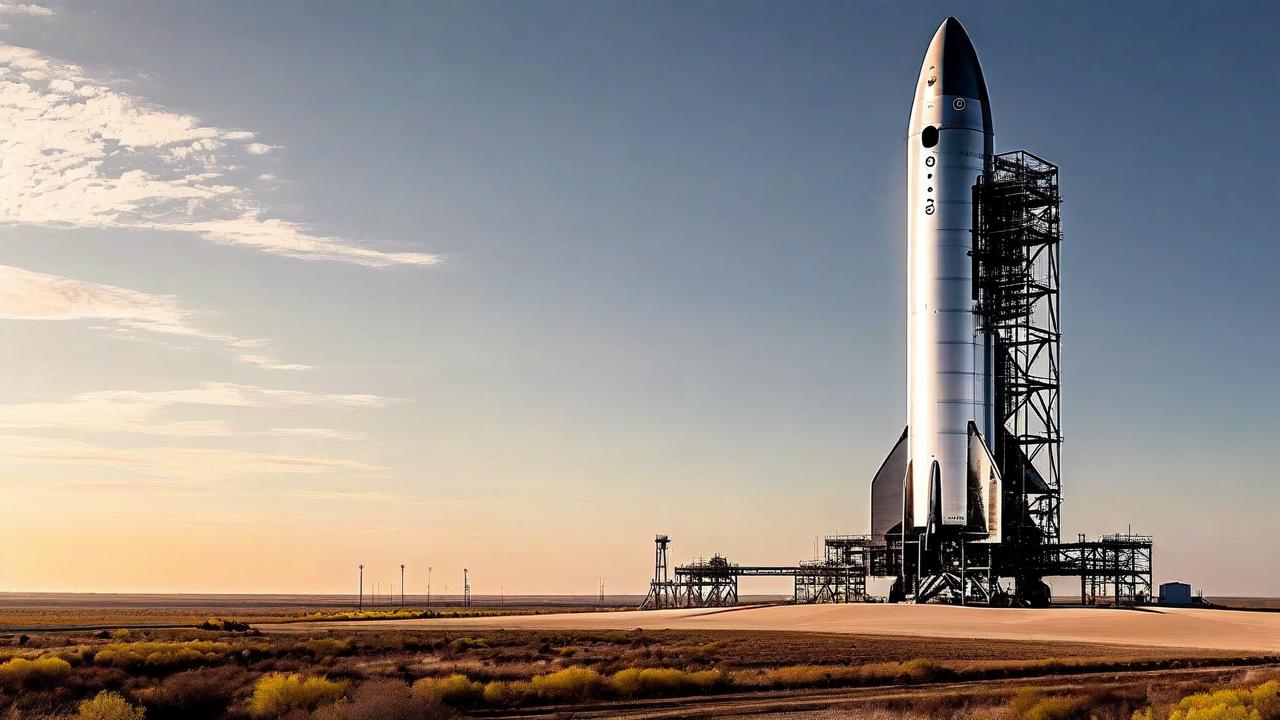
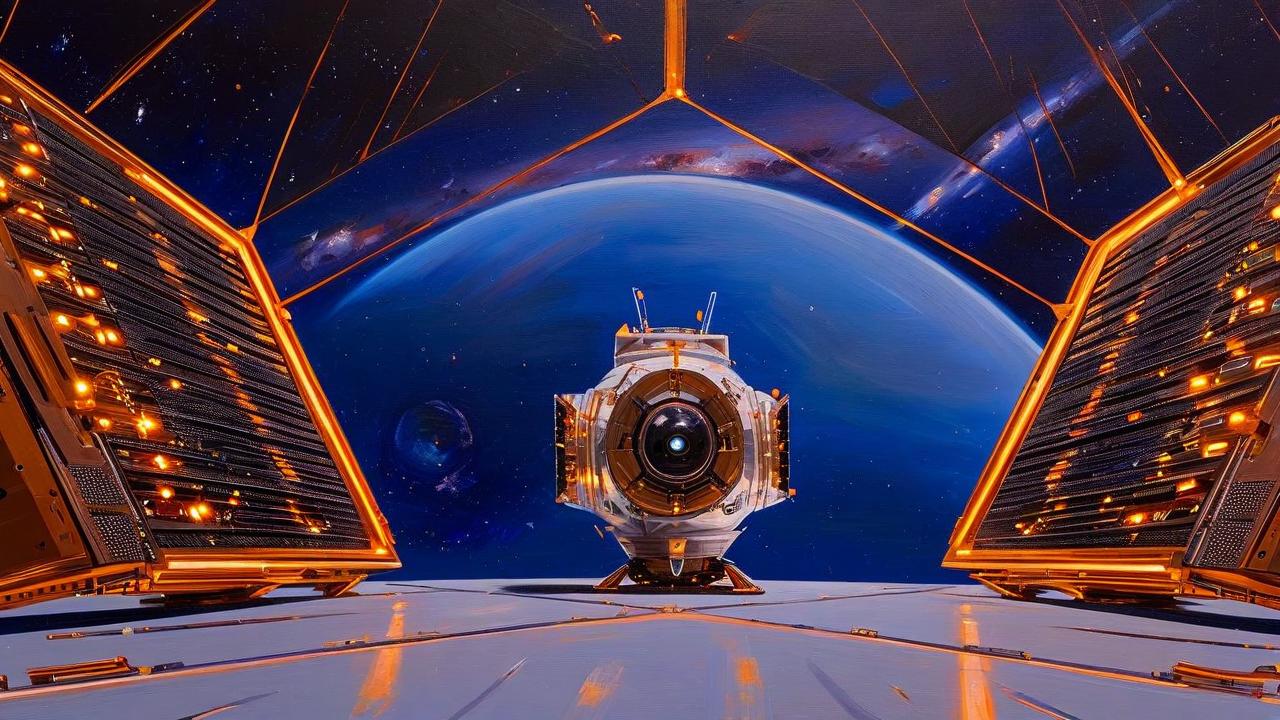
*this image is generated using AI for illustrative purposes only.

SpaceX (NASDAQ: SPCX) CEO Elon Musk stated the company will launch Nvidia VR NLV72 AI computers in space next year. The claim contrasts with internal investor materials that target initial demonstrations by late 2027.

Musk posted on X on September 13, 2026, expressing high confidence in the timeline. The hardware refers to a space-adapted version of Nvidia Corp.'s Vera Rubin NVL72 rack. This system utilizes 36 Vera CPUs and 72 Rubin GPUs. Musk described the design, dubbed the Starmind AI satellite, as a radical simplification of the normal NVL72 rack. He noted SpaceX would deploy versions both on the ground and in orbit.

Internal Roadmap Divergence

SpaceX's investor materials present a more cautious schedule. Ahead of its June initial public offering, executives Gwynne Shotwell and Bret Johnsen told prospective investors the company aims to launch initial orbital AI-computing demonstrations by late 2027. The IPO filing cited as early as 2028 for broader deployment. Musk's public next year framing sits well ahead of this internal roadmap. Reuters reported Starship, the reusable rocket meant to carry this hardware affordably, remains years behind his original targets.

Technical and Market Context

Physics presents significant obstacles for orbital data centers. Space lacks an atmosphere, making conduction and convection unavailable. Heat can only be shed through radiators. A rack pulling the power of dozens of Rubin GPUs generates far more waste heat than any system flown to date. Rival Starcloud has flown a single Nvidia H100 chip and is still years from a multi-GPU deployment. This underscores the magnitude of an orbital NVL72-class machine.

Nvidia shares trade near $218 amid broader scrutiny of AI infrastructure spending. This backdrop makes SpaceX's orbital ambitions a live test of investor patience. Musk's timelines have slipped previously on Starship test flights and Full Self-Driving. A working orbital NVL72 by next year would represent a milestone. A demonstrator unit hitting orbit would count as progress toward it.

SpaceX stock was up 0.63% at $152.16 at the time of publication Monday, according to Benzinga Pro market data.

What the Numbers Show

The divergence between Musk's public timeline and the company's IPO filing highlights a strategic communication gap. While the public statement targets next year, the formal investor documentation anchors expectations to late 2027 or 2028. This suggests the next year target may refer to a preliminary demonstrator rather than the full-scale commercial deployment outlined in the prospectus.

Disclaimer: This article is AI-generated using data from ViewTrade. ScanX is not liable for any inaccuracies.

How might the divergence between Musk's public timeline and SpaceX's IPO roadmap impact investor confidence and stock volatility in the near term?

What specific thermal management innovations will SpaceX need to deploy to overcome the radiative cooling limitations for NVL72-class hardware in orbit?

Could the successful deployment of the Starmind AI satellite shift Nvidia's valuation metrics by validating a new, high-margin orbital computing revenue stream?

like19
dislike

SpaceX Nasdaq weight jump could drive $15.5B in passive buying

scanx
Reviewed by
Ritika DScanX News Team
Key Highlights
  • JPMorgan estimates SpaceX Nasdaq-100 weight could rise from 1.25% to 2.25%
  • The adjustment could drive $15.5 billion in passive buying from index funds
  • Over 1.2 billion shares have become eligible for trading since June IPO
  • TD Securities projects potential weight increase above 3.5%
  • Stock fell over 6% on July inclusion despite $4.3 billion in estimated buying
powered bylight_fuzz_icon
50422151

*this image is generated using AI for illustrative purposes only.

SpaceX (NASDAQ: SPCX) could attract $15.5 billion in passive buying this month as a Nasdaq-100 rebalance forces index funds to increase holdings.

JPMorgan estimates the company's index weight could rise from 1.25% to 2.25%, with changes taking effect before the September 21 open. Passive funds are expected to adjust positions at the September 18 close.

Index Weighting Dynamics

SpaceX is currently the seventh-largest company in the Nasdaq-100 by market value, yet its 1.25% weighting places it only 19th in the index. This discrepancy stems from the limited public float following its June IPO. Nasdaq rules cap the weight of companies with low float availability, excluding much of SpaceX's roughly $2 trillion valuation from the index calculation.

The gap is expected to narrow as post-IPO lockup expirations proceed. Approximately 911.5 million shares became eligible for trading on August 6, followed by another 319 million on August 20. Both releases occurred before the Nasdaq's August 31 reference date for the September rebalance.

Event Date Shares Eligible
First Lockup Expiry August 6 911.5 million
Second Lockup Expiry August 20 319 million
Reference Date August 31 N/A

With roughly $1.7 trillion in exposure linked to the Nasdaq-100, even minor weighting adjustments compel index-tracking funds, such as the Invesco QQQ Trust (NASDAQ: QQQ), to purchase billions of dollars in stock. JPMorgan projects the move to a 2.25% weight would generate the estimated $15.5 billion in net buying. TD Securities suggests the potential for an even larger adjustment, projecting a weight above 3.5%.

Market Reaction and Supply Risks

Forced buying does not guarantee price appreciation. When SpaceX joined the Nasdaq-100 in July, JPMorgan estimated $4.3 billion in passive buying, yet the stock fell more than 6% on its first day in the index. Traders often position ahead of known changes and sell into passive fund demand.

Supply pressures remain significant. More than 1 billion additional shares are eligible for trading by the end of October, with roughly 1.3 billion more expected after third-quarter earnings, according to Bloomberg.

What the Numbers Show

The divergence between SpaceX's market rank and its index weighting highlights the structural impact of float restrictions. Despite being the seventh-largest company by value, its index influence is capped at the 19th position due to low tradable supply. The upcoming rebalance directly addresses this disconnect by allowing the index weight to reflect the expanded public float post-lockup expiry.

Future Catalysts

Prediction markets show divided sentiment on SpaceX's valuation. On Polymarket, the $1.75 trillion to $2 trillion range leads at 29%, narrowly ahead of $2.25 trillion or more at 28%. The $2 trillion to $2.25 trillion range sits at 24%.

Nasdaq's methodology allows low-float companies to be added "in multiple tranches over time" as shares become available. With billions more shares due to exit lockups, subsequent rebalances could further lift SpaceX's index weighting and trigger additional passive buying.

Disclaimer: This article is AI-generated using data from ViewTrade. ScanX is not liable for any inaccuracies.

How might the influx of $15.5 billion in passive buying interact with the over 1 billion shares becoming eligible for trading by October to influence short-term price volatility?

If TD Securities' projection of a weight above 3.5% materializes, what would be the estimated additional capital inflow compared to JPMorgan's current $15.5 billion estimate?

What impact could the upcoming third-quarter earnings report have on investor sentiment given the simultaneous expiration of another 1.3 billion shares from lockups?

like16
dislike

More News on SpaceX