

ARK Invest says SpaceX Starbase is overbuilt for AI satellite demand


- ARK Invest calls SpaceX's $100 billion Louisiana Starbase 'massively overbuilt' for connectivity alone
- Facility spans 125,000 acres with plans for 30 daily launches using Starship towers
- Single reusable Starship flight estimated to generate $4 billion in lifetime net cash flow
- Projected orbital AI satellite costs could fall to $32 billion per GW after 100 launches
- Terrestrial data center costs expected to exceed $76 billion per GW by 2032

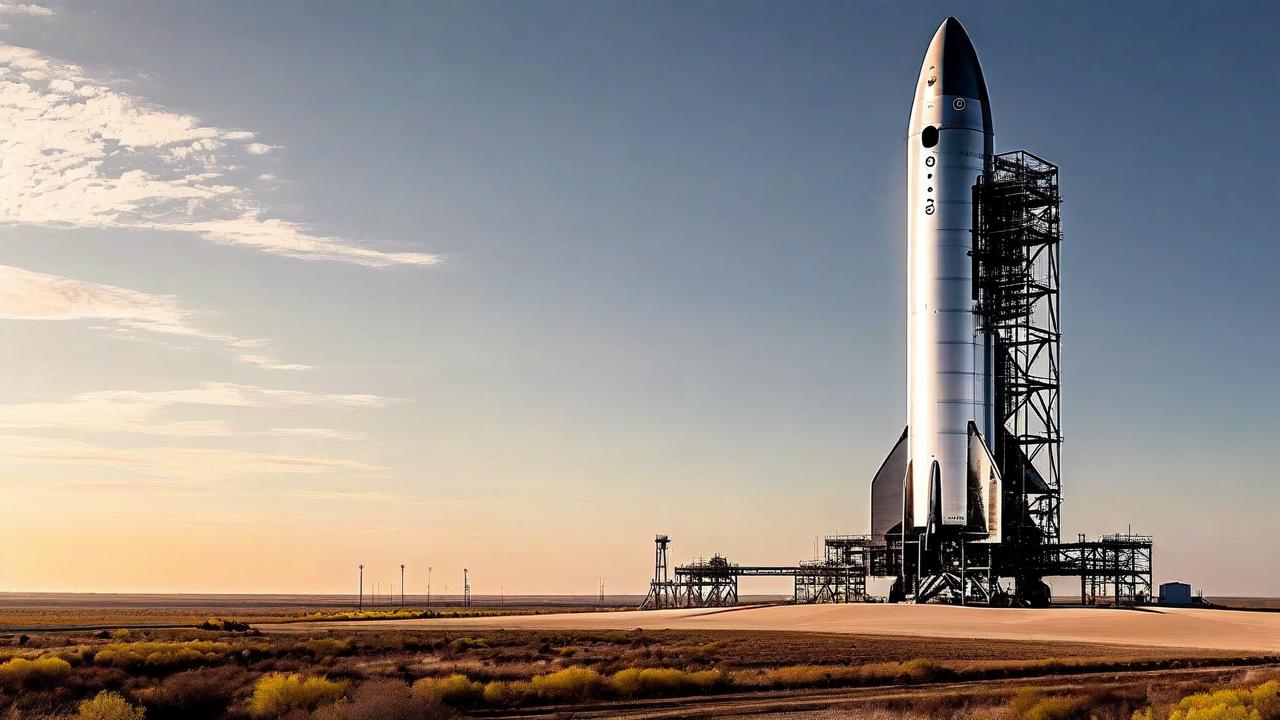

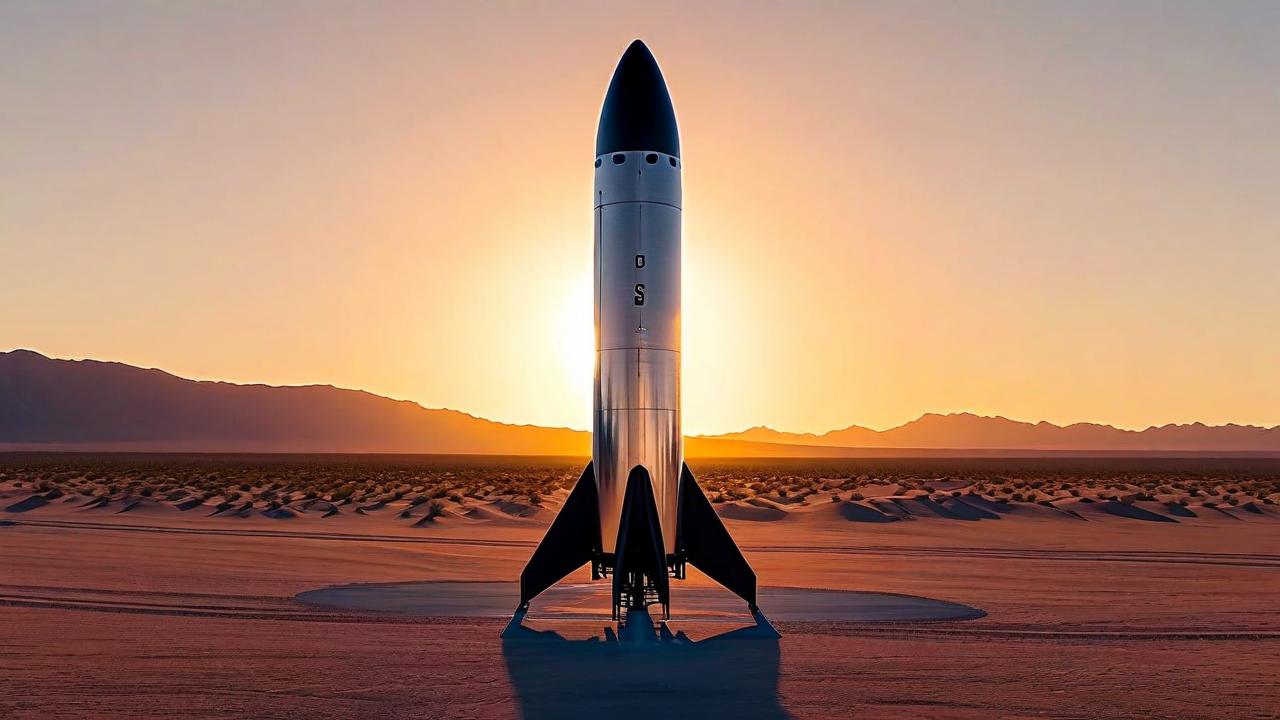
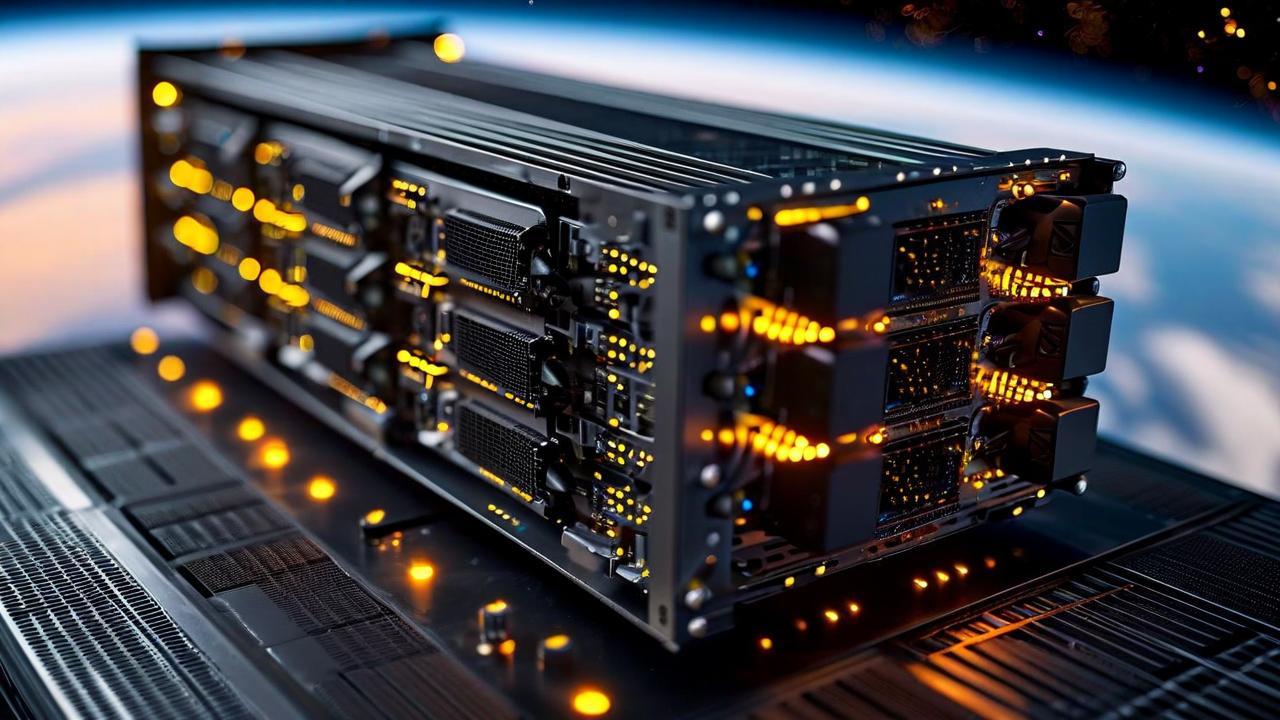
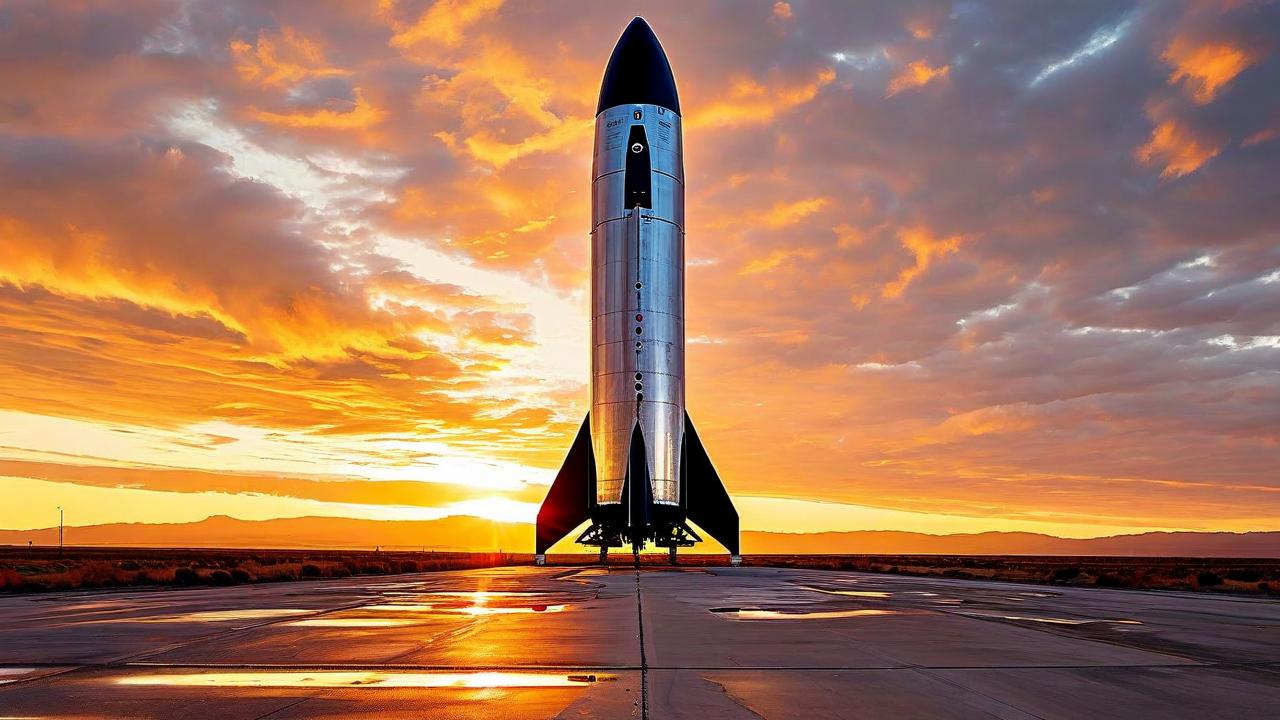
*this image is generated using AI for illustrative purposes only.
ARK Invest Chief Futurist Brett Winton stated that SpaceX’s proposed $100 billion Starbase facility in Louisiana is "massively overbuilt" for connectivity services alone, signaling a strategic pivot toward large-scale artificial intelligence infrastructure.
The investment firm highlighted that the site’s capacity is designed to support an AI satellite constellation far exceeding current market models, positioning SpaceX to capture a significantly larger share of the emerging space-based computing market.
Starbase Infrastructure Scale
According to an investor note released on Monday, the Starbase project spans roughly 125,000 acres at Pecan Island in Vermilion Parish. The facility will feature five complexes, each equipped with two Starship towers.
Winton noted that operations will begin with ten launch pads and eventually expand to over a dozen towers. This infrastructure aims to support around 30 flights per day. The site will include on-site propellant production, power generation, deep-water shipping, vehicle processing, employee housing, and likely an airport.
SpaceX President Gwynne Shotwell indicated that current capacity cannot accommodate Starship’s intended launch cadence, necessitating this expansion.
AI Connectivity Economics
ARK Invest anticipates the capacity will serve payloads worth trillions of dollars annually. This includes billions for Starlink and trillions for the Starmind AI constellation.
Winton estimated that a single reusable Starlink-loaded Starship flight could generate about $4 billion in lifetime net cash flow. This stands against $1 billion in combined launch, satellite manufacturing, ground station, and acquisition costs.
| Metric | Value |
|---|---|
| Total Investment | $100 billion |
| Site Area | 125,000 acres |
| Target Launch Cadence | 30 flights per day |
| Lifetime Cash Flow per Flight | $4 billion |
| Cost per Flight | $1 billion |
Cost Advantage in AI Satellites
Winton expanded on these figures via X, noting that SpaceX is targeting a larger connectivity opportunity than ARK currently models. SpaceX claims a $1.6 trillion opportunity, while ARK estimates the range at $600 billion over the decade.
"Starbase Louisiana is massively overbuilt for just serving connectivity," Winton said. "The reason to build so big: the AI opportunity can compound at much larger scale."
ARK projects that terrestrial data center costs per Gigawatt will move north of $60 billion per GW in 2029 and cross $76 billion in 2032. In contrast, SpaceX’s AI satellites could weigh 2,000 kg each. Citing Starlink’s per-satellite cost of $1,000/kg, Winton noted that launch costs could fall south of $100 per kg if Starship becomes reusable.
This efficiency could translate to SpaceX launching satellites for $38 billion per GW. After the 100th launch of its AI satellites, ARK believes costs will optimize down to $32 billion per GW as manufacturing efficiency improves and weight is stripped from satellites.
What the Numbers Show
The data reveals a stark divergence between terrestrial and orbital infrastructure costs. While terrestrial data center costs are projected to rise above $76 billion per GW by 2032, SpaceX aims to reduce orbital deployment costs to $32 billion per GW through reuse and manufacturing scale. This suggests a potential cost advantage of more than 50% for space-based AI compute compared to ground-based alternatives, assuming the projected launch cadence and reusability targets are met.
SPCX shares fell 0.91% to $143.29 during pre-market trading on Tuesday.

How might the projected cost advantage of space-based AI compute disrupt the business models of terrestrial hyperscale data center providers like AWS, Azure, and Google Cloud?
What regulatory hurdles or environmental concerns could arise from establishing a 125,000-acre industrial complex in Louisiana, and how might they impact the timeline for reaching 30 daily launches?
If SpaceX achieves its target of $32 billion per GW for orbital infrastructure, how will this affect the valuation metrics of traditional semiconductor and chip manufacturing companies?
 15









 Create Custom Screeners
 Access 200+ Pre-built Filters
 Use 50+ Readymade Screener





