

Starlink pitches India for rural connectivity as Musk cites digital divide


- Elon Musk pitched Starlink for India, targeting rural connectivity gaps
- TRAI data shows rural internet density at 48.31 vs urban 126.80 per 100 people
- Starlink reapplied for Gen 2 constellation approval covering nearly 30,000 satellites
- BharatNet has 221,000 service-ready Gram Panchayats but only 80,472 operational PoPs
- SpaceX shares fell 0.52% to $133.30 in after-hours trading



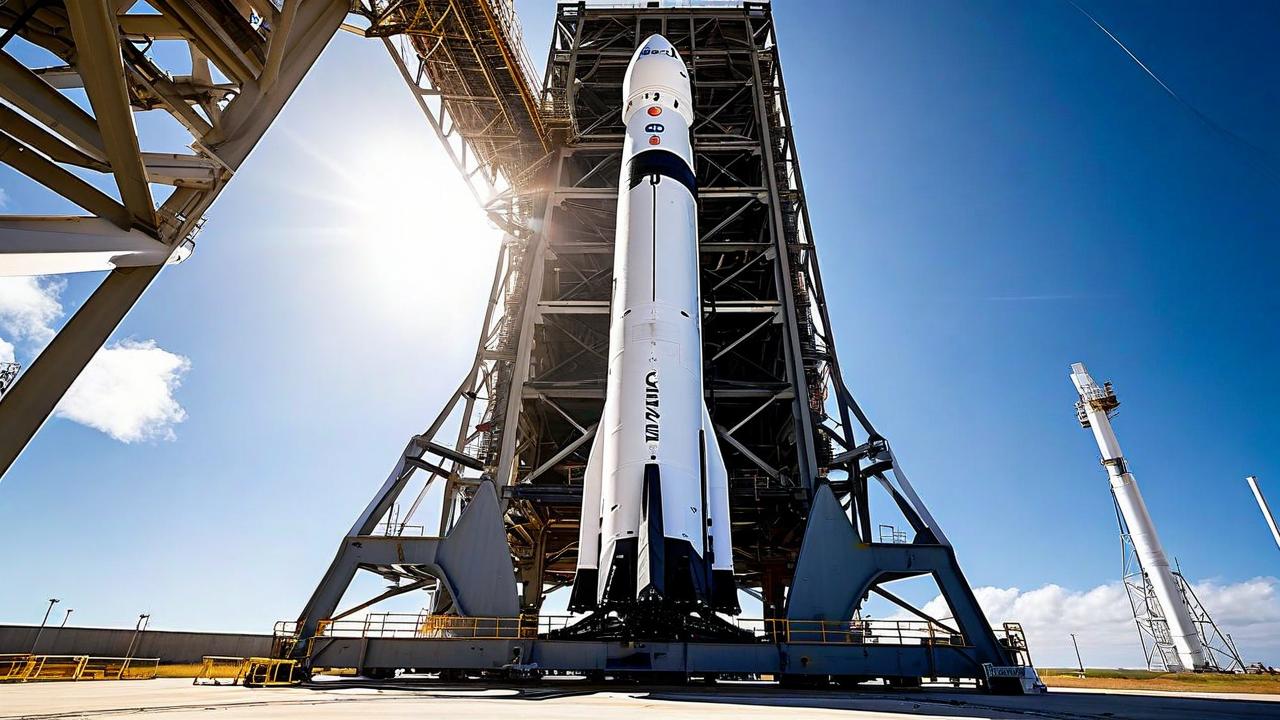
*this image is generated using AI for illustrative purposes only.
Elon Musk renewed Starlink’s push for India on Friday, arguing the satellite service could bridge the country’s rural connectivity gap. The Space Exploration Technologies Corp (NASDAQ: SPCX) chief highlighted the disparity in internet access between urban and rural India.
Musk wrote on X that Starlink would help the least served, particularly in rural areas. This follows a Reuters report stating Starlink reapplied to India’s space regulator for approval to deploy its Gen 2 constellation, including direct-to-device connectivity. The application reportedly covers nearly 30,000 satellites.
Rural vs Urban Connectivity Gap
Official data from the Telecom Regulatory Authority of India underscores the divide. As of March 2026, India had 1.093 billion internet subscriptions. Urban areas accounted for 651.93 million subscriptions, while rural areas held 440.87 million.
| Segment | Subscriptions (Million) | Density per 100 People |
|---|---|---|
| Urban | 651.93 | 126.80 |
| Rural | 440.87 | 48.31 |
Rural subscription density stood at 48.31 per 100 people, significantly lower than the 126.80 recorded in urban India.
Regulatory Progress and Partnerships
Starlink secured a telecom license in June 2025 and later received IN-SPACe approval for its Gen 1 constellation. The company also signed distribution agreements with Bharti Airtel and Reliance Jio to serve remote areas. Despite these steps, regulatory hurdles regarding security and local infrastructure requirements persist.
BharatNet and Infrastructure Gaps
The Indian government has invested heavily in rural broadband through BharatNet. By June, the program made 221,000 Gram Panchayats service-ready and laid over 850,000 route-kilometers of optical fiber. However, a July parliamentary response revealed operational Points of Presence at only 80,472 Gram Panchayats, indicating a gap between infrastructure readiness and active service delivery.
What the Numbers Show
The divergence between BharatNet’s 221,000 service-ready Gram Panchayats and the 80,472 with operational Points of Presence highlights a significant last-mile deployment lag. This gap represents the specific market opportunity Starlink aims to address with its low-Earth-orbit satellite technology, which bypasses the need for terrestrial fiber or tower infrastructure.
Market Reaction
SpaceX shares traded 0.52% lower at $133.30 during after-market trading on Thursday. According to Benzinga Edge Rankings, SPCX shows a negative price trend across short, medium, and long-term horizons.

How might the approval of Starlink's direct-to-device Gen 2 constellation disrupt the existing revenue models of Indian telecom giants like Bharti Airtel and Reliance Jio?
What specific security or data sovereignty concerns remain unresolved that could delay the final regulatory clearance for Starlink's 30,000-satellite deployment in India?
Could Starlink's entry accelerate the operationalization of BharatNet's underutilized infrastructure by creating competitive pressure on last-mile service providers?
 20
20












 Create Custom Screeners
  Access 200+ Pre-built Filters
  Use 50+ Readymade Screener





