

Tesla secures $30B credit facilities to fund AI and robotaxi scale-up


- Tesla secured $30 billion in new senior unsecured credit facilities on September 29, 2026
- The package includes a $20 billion term loan and $10 billion in revolving facilities
- Funds will support over $25 billion in capex for AI, Cybercab, and Optimus robot production
- The new structure replaces a terminated $5 billion revolving credit agreement from 2023


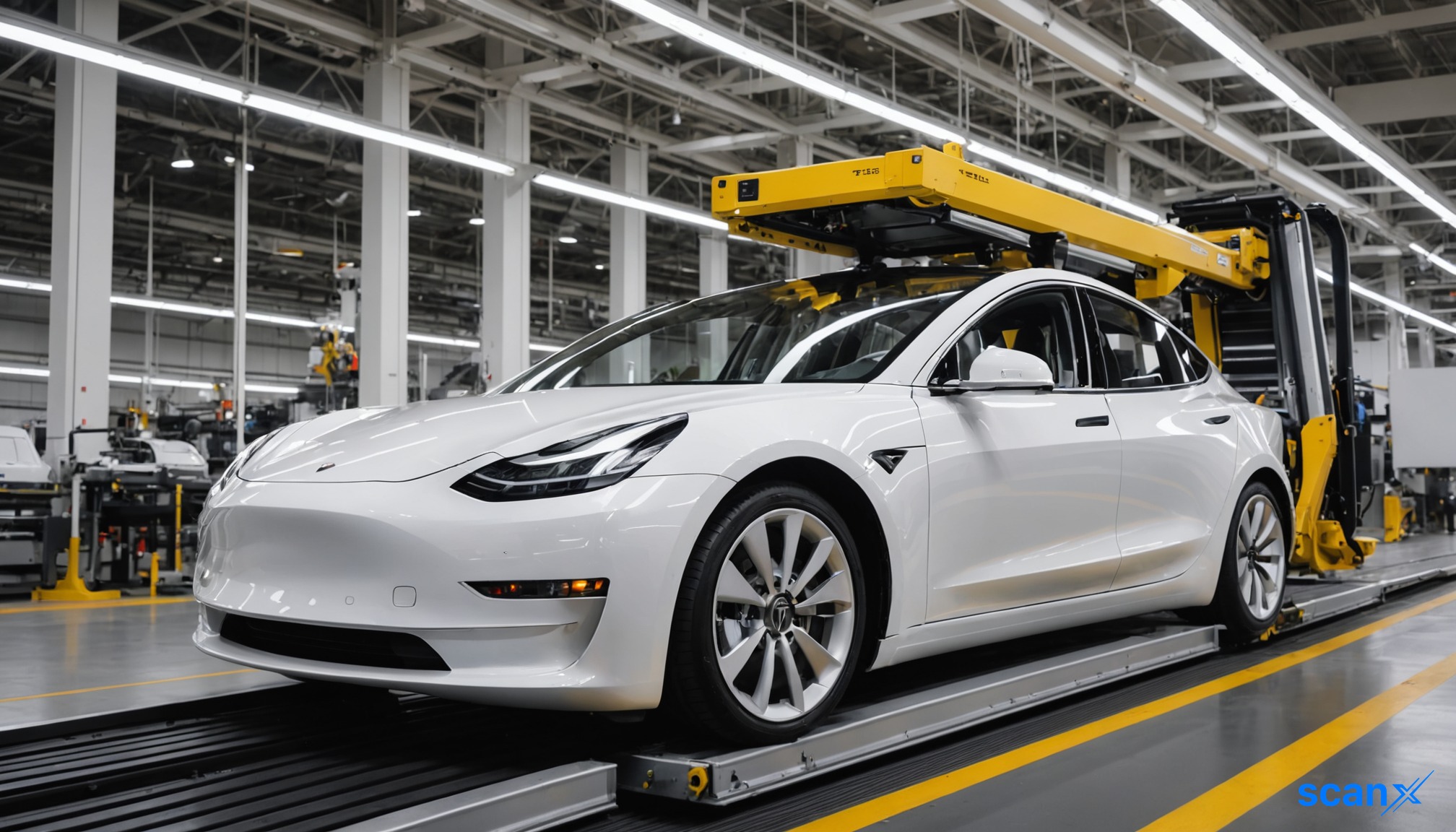
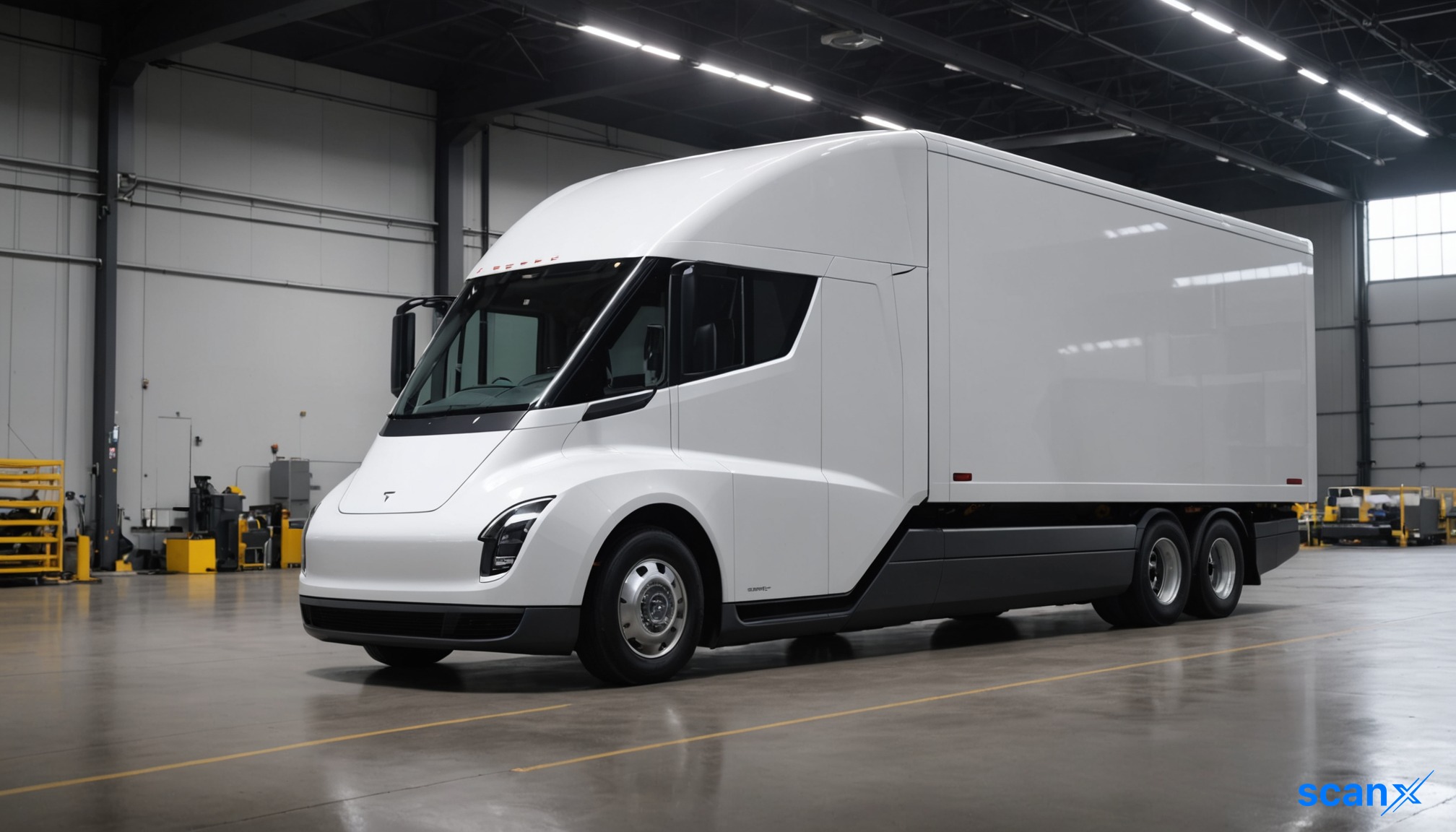
*this image is generated using AI for illustrative purposes only.
Tesla Inc. (NASDAQ: TSLA) entered into three new credit agreements on September 29, 2026, securing $30 billion in total senior unsecured facilities. The move replaces an existing $5 billion revolving credit agreement, significantly expanding the company's available liquidity headroom to support aggressive capital expenditure.
The new structure comprises a $20 billion three-year delayed draw term loan facility, an $8 billion five-year revolving facility, and a $2 billion 364-day revolving credit facility. Citibank, N.A. serves as the administrative agent for the term loan, while Wells Fargo Bank, National Association acts as the administrative agent for both revolving facilities. Tesla does not currently plan to draw on these facilities in 2026.
Funding AI and autonomous vehicle initiatives
The financing arrives as Tesla accelerates investments in artificial intelligence and scales up production of Cybercab robotaxis and Optimus robots. The company is investing heavily in capital expenditure, expecting more than $25 billion this year. CEO Elon Musk described the buildout in July as "probably the fastest industrial scale-up since World War II in America," noting that Tesla is prioritizing speed over capital efficiency to accelerate projects.
R&D and pre-production ramp spending are focused on the Cybercab, Optimus robot, Tesla Semi, and other AI initiatives. Additionally, Musk announced at a Washington event that Space Exploration Technologies Corp. (NASDAQ: SPCX) and Tesla aim to jointly produce 200 gigawatts of solar power per year.
Facility structures and maturities
The delayed draw term loan allows Tesla to draw funds up to ten times within 18 months of closing. Undrawn commitments automatically reduce to $10 billion on the first anniversary and to $5 billion 15 months after closing, with remaining commitments terminating at the 18-month mark. Loans under this facility mature on September 29, 2029.
The five-year revolving facility permits borrowings in U.S. dollars, pounds sterling, or euros and supports letters of credit up to $500 million. It terminates on September 29, 2031, with options for two one-year extensions. The 364-day facility, denominated solely in U.S. dollars, matures on September 28, 2027, subject to a potential one-year extension via a term-out option.
| Facility | Amount | Tenor | Maturity Date |
|---|---|---|---|
| Delayed Draw Term Loan | $20 billion | 3 years | September 29, 2029 |
| Five-Year Revolving | $8 billion | 5 years | September 29, 2031 |
| 364-Day Revolving | $2 billion | 364 days | September 28, 2027 |
Covenants and termination of prior debt
Tesla is required to maintain at least $5 billion of consolidated liquidity under the new agreements. Pricing for U.S. dollar borrowings is based on Term SOFR or an alternate base rate plus an applicable margin tied to Tesla’s senior unsecured long-term indebtedness rating. Commitment fees apply to unused revolving commitments, while ticking fees apply to undrawn term loan commitments.
Concurrently, Tesla terminated its existing revolving credit agreement dated January 20, 2023, which had aggregate commitments of $5 billion and was set to mature on January 20, 2028. No borrowings were outstanding under the terminated agreement, and no early termination penalties were incurred.
What the numbers show
The aggregate capacity of the new revolving facilities stands at $10 billion, double the capacity of the terminated $5 billion agreement. Furthermore, the inclusion of an accordion feature allows Tesla to increase total revolving commitments by up to $4 billion, potentially raising the combined revolving capacity to $14 billion. This expansion occurs alongside a massive $20 billion term loan, indicating a substantial strengthening of the balance sheet's borrowing power without immediate cash outflows, as no loans were outstanding as of the closing date.

How will the delayed draw term loan's commitment step-downs in 2027 and 2028 influence Tesla's capital expenditure pacing for Cybercab and Optimus production?
What impact will the new $30 billion unsecured facility have on Tesla's credit rating outlook given the significant increase in potential leverage?
How might the joint 200 GW solar power initiative with SpaceX affect Tesla's long-term liquidity needs and future financing requirements?
 19
19





 Create Custom Screeners
  Access 200+ Pre-built Filters
  Use 50+ Readymade Screener





