

Tesla EU market share rises to 1.9% on 65.9% registration jump


- Tesla's EU market share increased to 1.9% from 1.2% year-on-year
- January-August registrations jumped 65.9% to 142,165 units
- August registrations alone rose 52.7% compared to the prior year

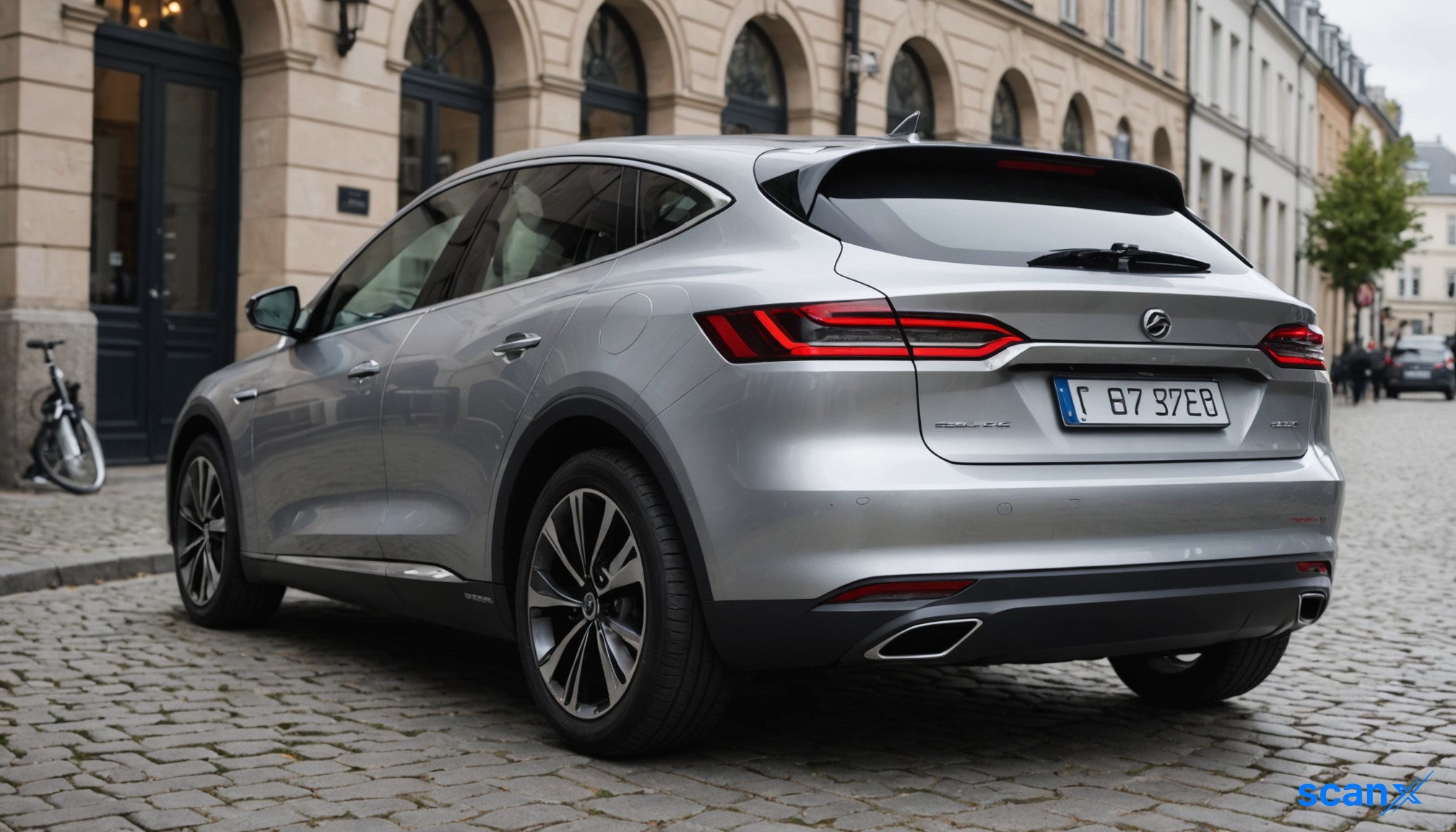

*this image is generated using AI for illustrative purposes only.
Tesla's market share in the European Union rose to 1.9% in the first eight months of 2026, up from 1.2% in the same period last year. This expansion was driven by a 65.9% surge in new car registrations, which reached 142,165 units between January and August.
The growth momentum continued into the final month of the reported period, with August registrations alone climbing 52.7% compared to the previous year. The data highlights a significant acceleration in adoption rates for the electric vehicle manufacturer across key European markets.
Registration trends
The following table summarises the key metrics disclosed for Tesla's performance in the EU market:
| Metric | Current Period | Prior Year | Change |
|---|---|---|---|
| Market Share (Jan-Aug) | 1.9% | 1.2% | +0.7 pp |
| Registrations (Jan-Aug) | 142,165 units | N/A | +65.9% |
| August Registrations | N/A | N/A | +52.7% |
What the numbers show
The divergence between the overall market share gain and the volume growth indicates that Tesla is outpacing the broader EU automotive sector. While total registrations rose by 65.9%, the market share increased by 0.7 percentage points. This suggests that the total addressable market for new cars in the EU grew at a slower rate than Tesla's specific sales volume, allowing the company to capture a larger slice of the pie despite potential headwinds in the wider industry.

How might the EU's tightening CO2 emission standards for 2027 impact Tesla's ability to sustain this market share growth against traditional automakers?
Will the 65.9% surge in registrations trigger increased scrutiny or potential anti-dumping investigations by the European Commission regarding Chinese EV competitors?
How will Tesla's expanding EU footprint influence its decision-making regarding local battery production capacity versus continued reliance on imports?
 16
16







 Access 50+ Readymade Screeners
  Use 200+ Custom Filters
  Get Full Market Insights





