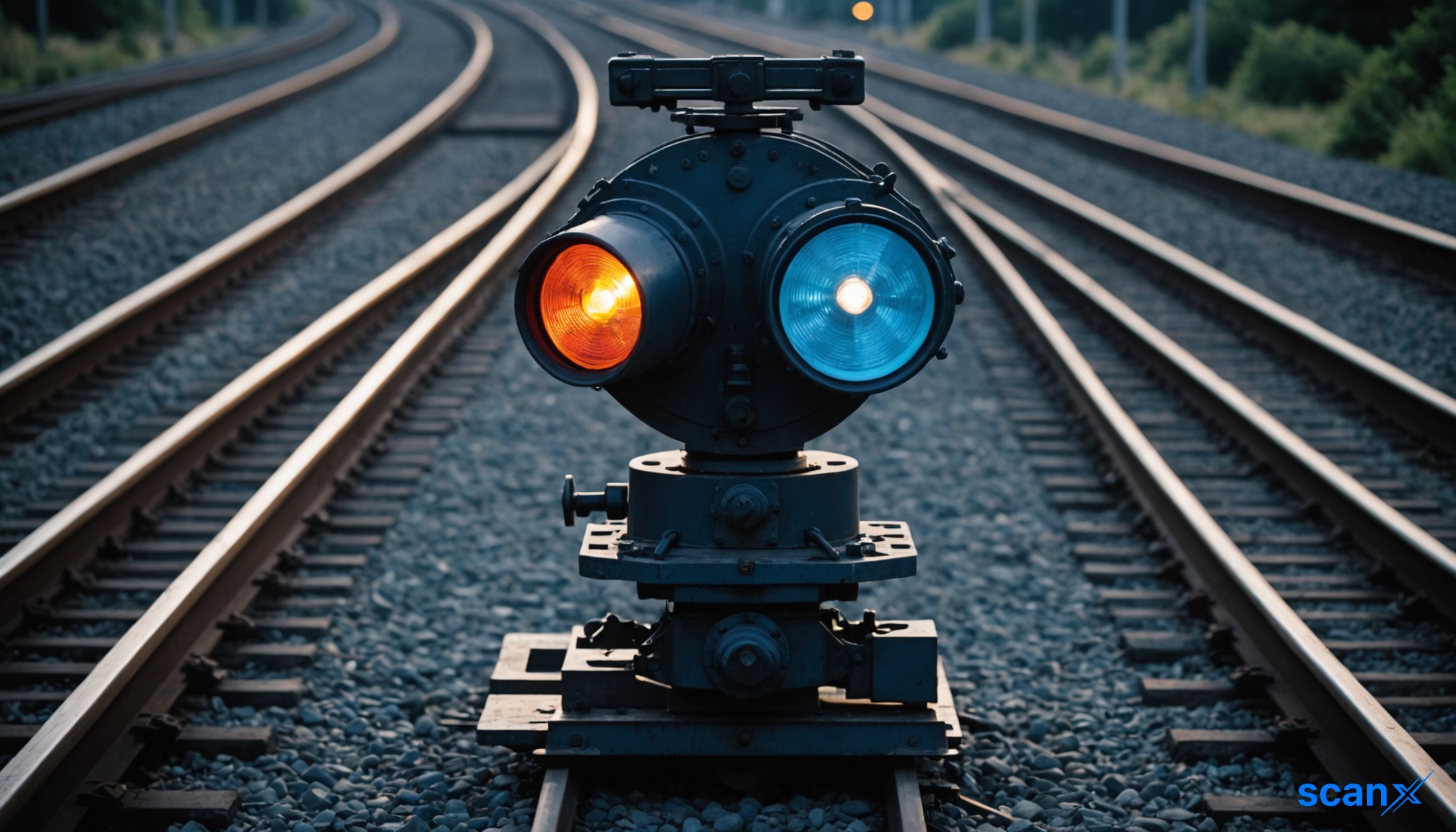
Tesla begins high-volume Semi production, targets 50,000 units annually

scanx
Reviewed by
Riya DScanX News Team
Key Highlights
  • Tesla launches high-volume production of the Semi truck with a target of 50,000 units annually.
  • Morgan Stanley estimates the Semi opportunity could add roughly $80 billion to Tesla's market value.
  • Einride AB has ordered 500 Semis, with 75 units expected to be delivered by the end of 2026.
  • A new teaser for the upcoming Roadster reveals an LED light bar ahead of the October 1 launch.
powered bylight_fuzz_icon
51858030

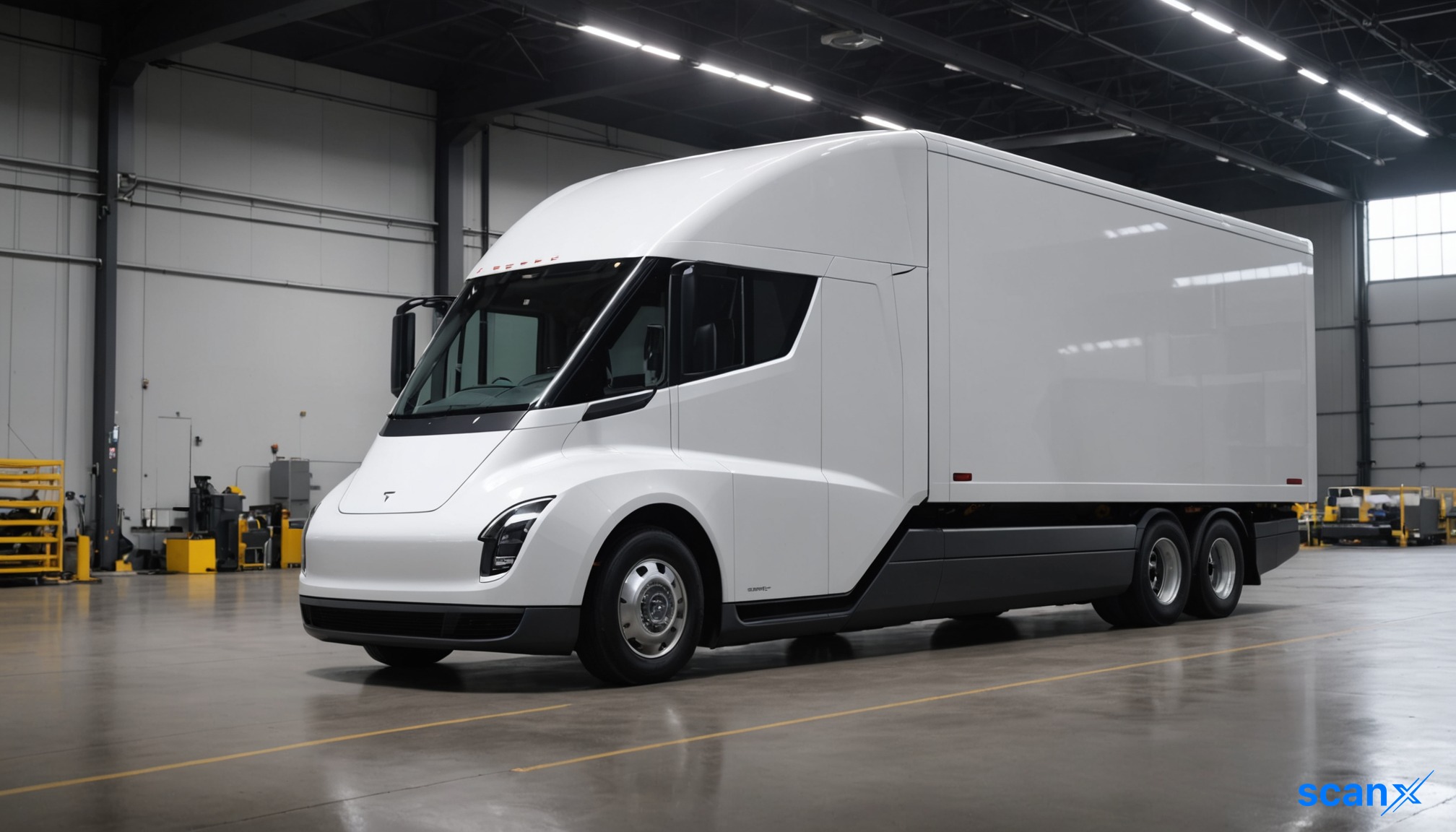
*this image is generated using AI for illustrative purposes only.

Tesla Inc. (NASDAQ: TSLA) has officially launched high-volume production of its Semi electric truck, targeting an annual output of 50,000 units. The announcement coincides with a new teaser for the upcoming Roadster, which is scheduled for a reveal on October 1.

The Tesla Semi handle confirmed the production start on X, stating, "Today, we're launching high volume production." CEO Elon Musk described the vehicle as a "revolutionary" truck, comparing its driving dynamics to a "sports car in truck form." The trucks will utilize the Tesla Megacharger network for megawatt-level charging and are slated to receive autonomous driving features in the near future.

Production Capacity and Economic Rationale

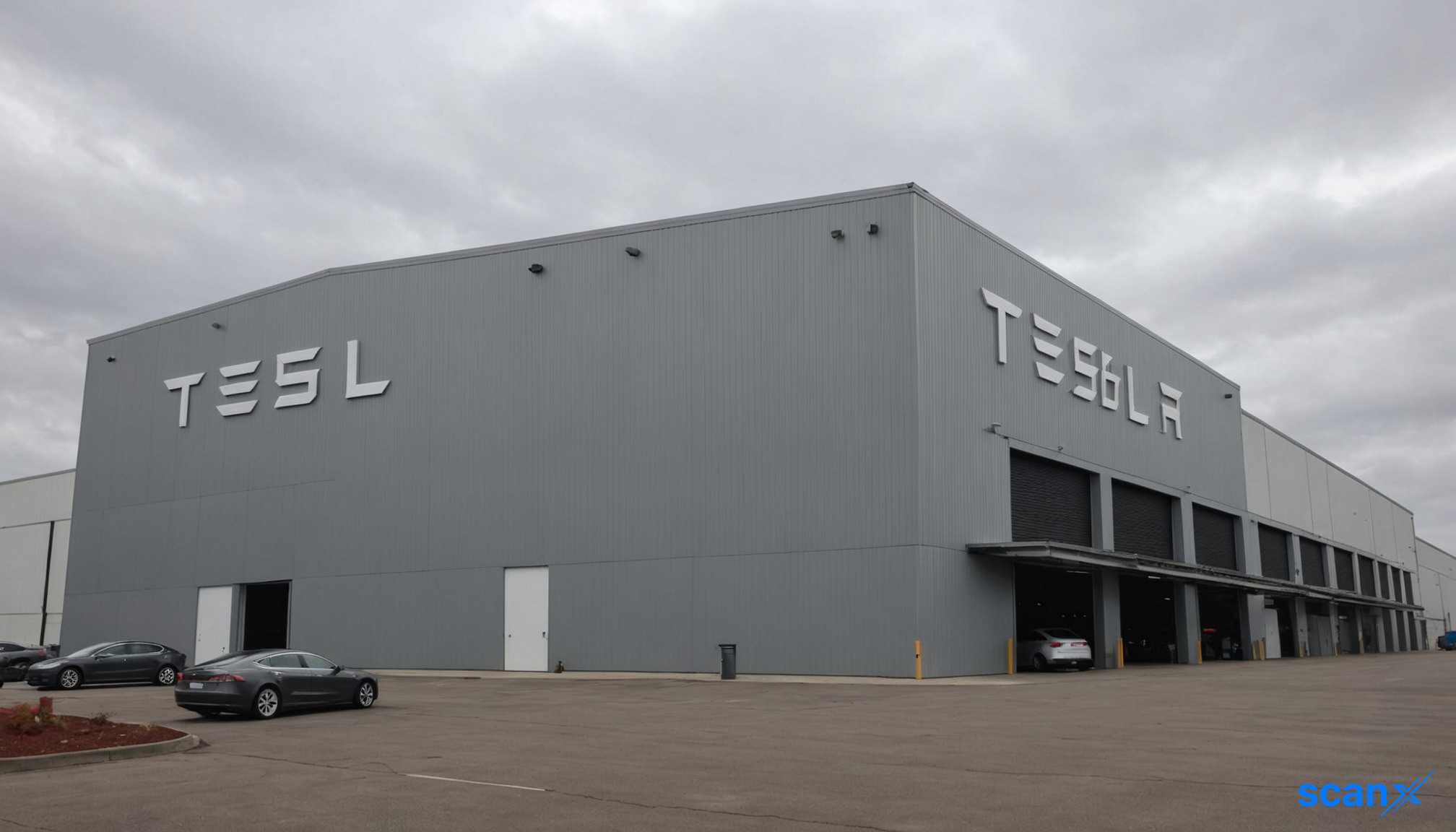
The production target is set at 50,000 units per year at Tesla's 1.8 million square-foot facility. Musk emphasized the economic viability of the Semi, citing record-high diesel prices in the U.S. as a key driver for adoption. Tesla also noted that the electric truck requires lower maintenance compared to traditional diesel-powered counterparts.

Metric Detail
Annual Production Target 50,000 units
Facility Size 1.8 million square feet
Charging Network Tesla Megacharger
Key Feature Autonomous driving (near future)

Roadster Teaser and SpaceX Integration

Ahead of the October 1 reveal, Tesla shared a teaser image featuring an LED light bar and the word "Roadster." The imagery included the letter "X," fueling speculation about potential involvement from Space Exploration Technologies Corp. (NASDAQ: SPCX). Previous reports suggested the vehicle might feature cold-gas thrusters developed by SpaceX for altitude control, similar to those used in Falcon 9 rocket landings.

Market Impact and Orders

The Semi segment represents a significant growth vector for Tesla. Morgan Stanley analyst Andrew Percoco estimated that the Semi opportunity could add approximately $80 billion to the company's market value under a bull-case scenario. Commercial traction is already visible, with Swedish freight-technology company Einride AB (NASDAQ: ENRD) securing a 500-unit order. Einride CEO Roozbeh Charli confirmed that 75 units are expected to be delivered by the end of 2026.

Cybercab and Domestic Sourcing

In related developments, Musk highlighted the use of locally sourced nickel cathodes for the Cybercab battery, manufactured at the Texas Gigafactory. He reiterated that Tesla's EVs possess the highest percentage of American-made content among competitors. Tesla shares rose 0.38% to $379.32 during overnight trading.

Disclaimer: This article is AI-generated using data from ViewTrade. ScanX is not liable for any inaccuracies.

How will the ramp-up to 50,000 annual Semi units impact Tesla's overall gross margins and capital expenditure requirements in the coming fiscal quarters?

What specific regulatory hurdles or infrastructure gaps must be addressed for the Megacharger network to support high-volume commercial trucking adoption?

To what extent could SpaceX-derived thruster technology realistically integrate into a consumer vehicle like the Roadster without compromising safety certifications or production scalability?

like20
dislike

Tesla FSD exceeded speed limits in 55% of Brussels road tests

scanx
Reviewed by
Anirudha BScanX News Team
Key Highlights
  • Tesla FSD exceeded 30 km/h limits on 16 of 29 Brussels road segments
  • System displayed wrong speed limit on roughly 90% of tested segments
  • EU vote scheduled for October 6 could decide broader approval status
  • Swedish and French regulators oppose approval due to speeding concerns
powered bylight_fuzz_icon
51814487

*this image is generated using AI for illustrative purposes only.

Tesla Inc. (NASDAQ: TSLA) Full Self-Driving (FSD) system exceeded legal speed limits in 55% of Brussels road segments tested by advocacy group Johanna.be. The findings emerge less than two weeks before a potential European Union vote that could determine the system's operational scope across Europe.

The July study evaluated 29 stretches of roads with 30 km/h limits. FSD surpassed the limit on 16 segments, averaging 44 km/h when speeding occurred. Additionally, the system displayed incorrect speed limits on approximately 90% of all tested segments, sometimes reverting from a recognized 30 km/h sign to a default 50 km/h display.

Regulatory split across Europe

Speeding compliance remains a primary point of contention among European regulators. Sweden has indicated it may oppose broader approval unless Tesla addresses these issues, while France has raised similar concerns. Conversely, the Czech Republic provisionally approved FSD this week after previously questioning speed-limit adherence. Belgium is among seven countries where Tesla currently offers FSD Supervised.

Tesla argues that FSD should adjust above detected limits to maintain pace with surrounding traffic rather than impeding flow. The company’s European data indicates FSD stayed at or below the median speed of traffic in 98% of 680 higher-speed samples where maximum speed settings exceeded detected limits.

EU vote and rollout implications

Dutch regulator RDW provisionally approved FSD in April following an 18-month testing period, enabling initial rollouts while broader authorization is considered. A decisive vote could occur as early as October 6. Approval requires support from at least 15 of the EU’s 27 member states, representing 65% of the population. If rejected, the Dutch provisional approval would be revoked six months later, potentially ending national approvals dependent on it.

RDW stated its testing confirmed FSD Supervised met safety requirements, with drivers retaining responsibility. In contrast, the Belgian study utilized a single Model 3 and a smaller test scope. Traders remain skeptical of other autonomy milestones; Polymarket odds place a 16% probability on Tesla selling a Cybercab for under $30,000 by year-end.

What the numbers show

The divergence between regulatory scrutiny and corporate safety claims is stark. While Tesla cites a 98% compliance rate with median traffic speeds in higher-speed zones, the Brussels data reveals a 55% failure rate against strict urban limits and a 90% error rate in speed limit recognition. This suggests that while FSD may perform adequately in flowing traffic, it struggles significantly with static signage interpretation in low-speed urban environments, a critical dependency for safe autonomous operation in dense European cities.

Disclaimer: This article is AI-generated using data from ViewTrade. ScanX is not liable for any inaccuracies.

Will the Czech Republic's recent provisional approval influence undecided EU member states ahead of the October 6 vote, or will Sweden and France's opposition prove decisive?

How might a rejection of the broader EU authorization impact Tesla's stock valuation and its long-term revenue projections from European software subscriptions?

What specific technical updates or over-the-air patches is Tesla planning to release to address the 90% speed limit recognition error rate before the regulatory deadline?

like19
dislike

More News on Tesla Inc