

Tesla patent reveals active aero for Roadster ahead of Oct 1 reveal


- Patent reveals hidden active rear wing generating 700 kg downforce for Roadster
- System uses lidar, radar, and cameras for safety and aerodynamic adjustment
- FSD exceeded speed limits on 55% of road segments in Brussels regulatory tests
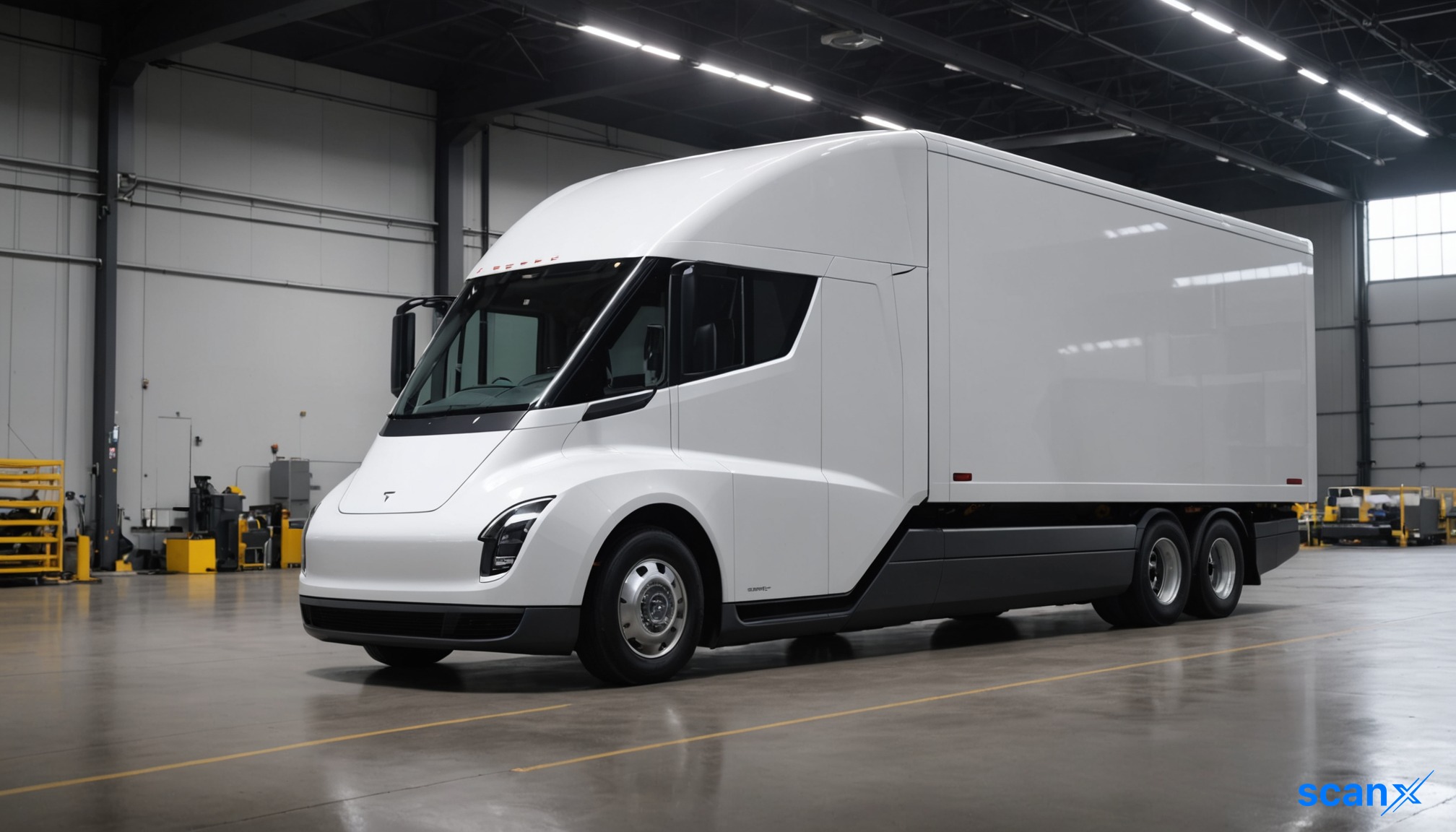
- Tesla confirms volume production of Semi truck and domestic Cybercab cathode sourcing


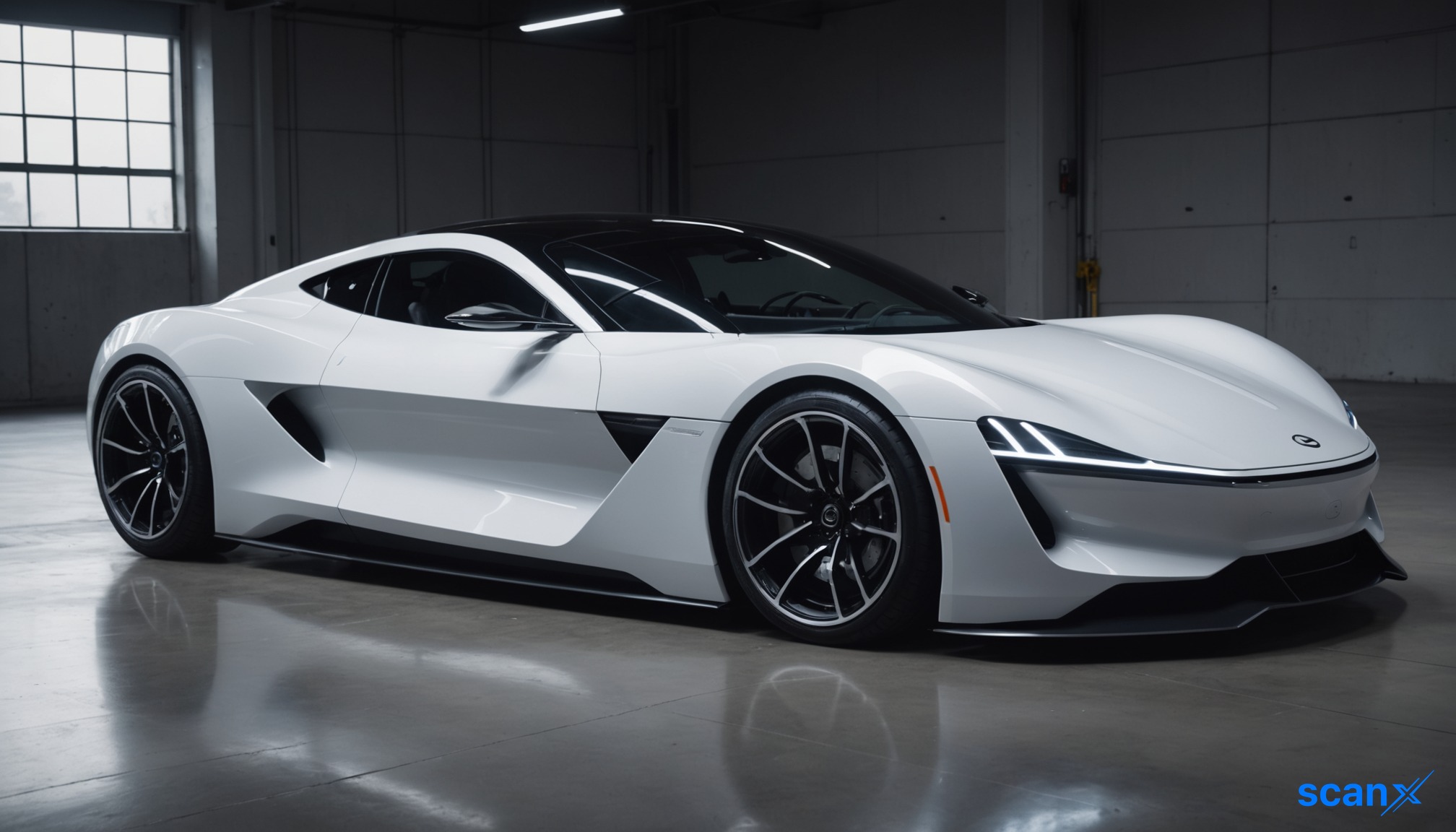
*this image is generated using AI for illustrative purposes only.
Tesla Inc. (NASDAQ: TSLA) released a new teaser for its upcoming Roadster high-performance electric vehicle, confirming a reveal date of October 1. The teaser features an LED light bar and a cryptic message stating "See you next week." Simultaneously, Chief Executive Officer Elon Musk confirmed that volume production of the Tesla Semi truck has commenced.
Active aerodynamics and lidar integration
A newly published patent filing by the U.S. Patent and Trademark Office outlines an active rear wing designed to sit hidden in the bodywork. The application, labeled US 2026/0285418 A1, describes a two-section wing that transitions from fully tucked away to fully extended in under three seconds. It can adjust the wing’s angle in under a quarter-second.
The filing specifies 700 kg of downforce in high downforce mode at top speeds above 100 mph, compared to 0 kg in DRS mode. A dedicated controller manages the wing using inputs such as speed, steering, braking, GPS location, and autonomous driving sensor data. Notably, the sensor list includes cameras, radar, and lidar, marking a potential shift in Tesla's hardware strategy for this specific model.
FSD under scrutiny in Europe
Tesla’s Full Self-Driving (FSD) system faced regulatory scrutiny after a newly published test revealed it exceeded legal speed limits on 55% of road segments in Brussels. This development occurs just before a potential European Union vote that could determine the system's operational status across the region.
Domestic sourcing and AI integration
Amid tariffs imposed by President Donald Trump, Musk highlighted the use of domestically sourced cathode material in the Cybercab’s battery. The first Cybercab with locally manufactured nickel cathode was produced at Gigafactory Texas, reinforcing Tesla’s commitment to domestic supply chains. Additionally, Musk announced that xAI’s Grok model will be integrated into Tesla vehicles, enabling features such as inbox management and calendar clearing.
Licensing challenges
Investor Gary Black stated that legacy automakers, including General Motors Co. (NYSE: GM) and Ford Motor Co. (NYSE: F), are unlikely to license Tesla’s FSD technology. These manufacturers are reportedly prioritizing in-house self-driving efforts. This assessment follows Musk’s earlier comments that Tesla had offered FSD licenses to legacy manufacturers but received little interest.
What the numbers show
The divergence between Tesla’s operational expansion and regulatory friction is evident in the disclosed metrics. While the company advances hardware milestones with the start of Semi volume production and local Cybercab manufacturing, its software division faces immediate compliance challenges. The 55% speed limit violation rate in Brussels tests highlights a significant gap between current autonomous capabilities and European regulatory standards, potentially impacting the timeline for broader EU deployment. Furthermore, the inclusion of lidar in the Roadster patent contrasts with previous Tesla statements favoring vision-only systems, suggesting a specialized approach for high-performance models.
| Feature | Specification |
|---|---|
| Reveal Date | October 1 |
| Max Downforce | 700 kg |
| Wing Deployment Time | < 3 seconds |
| Angle Adjustment | < 0.25 seconds |
| Sensor Inputs | Cameras, radar, lidar |
Price Action: Tesla shares declined 0.57% to $370.00 during overnight trading.

How might the inclusion of lidar in the Roadster patent influence Tesla's long-term hardware strategy and its stance on vision-only autonomy for mass-market vehicles?
What specific regulatory concessions or software updates will Tesla need to implement to address the 55% speed limit violation rate and secure EU approval for FSD?
Could the confirmed volume production of the Tesla Semi significantly alter the economics of electric commercial trucking and accelerate adoption among major logistics firms?
 16
16



 Access 50+ Readymade Screeners
  Use 200+ Custom Filters
  Get Full Market Insights





