

Rocket Lab sees Neutron pricing upside as Q2 revenue hits record


Rocket Lab Corp delivered record second-quarter revenue of $234.1 million and a narrowed adjusted EBITDA loss of $8.8 million, supported by a $2.36 billion backlog. Management highlighted pricing power for the upcoming Neutron rocket, with CFO Adam Spice citing supply constraints and strong demand from the U.S. Space Force and Kepler Communications as drivers for potential ASP increases.

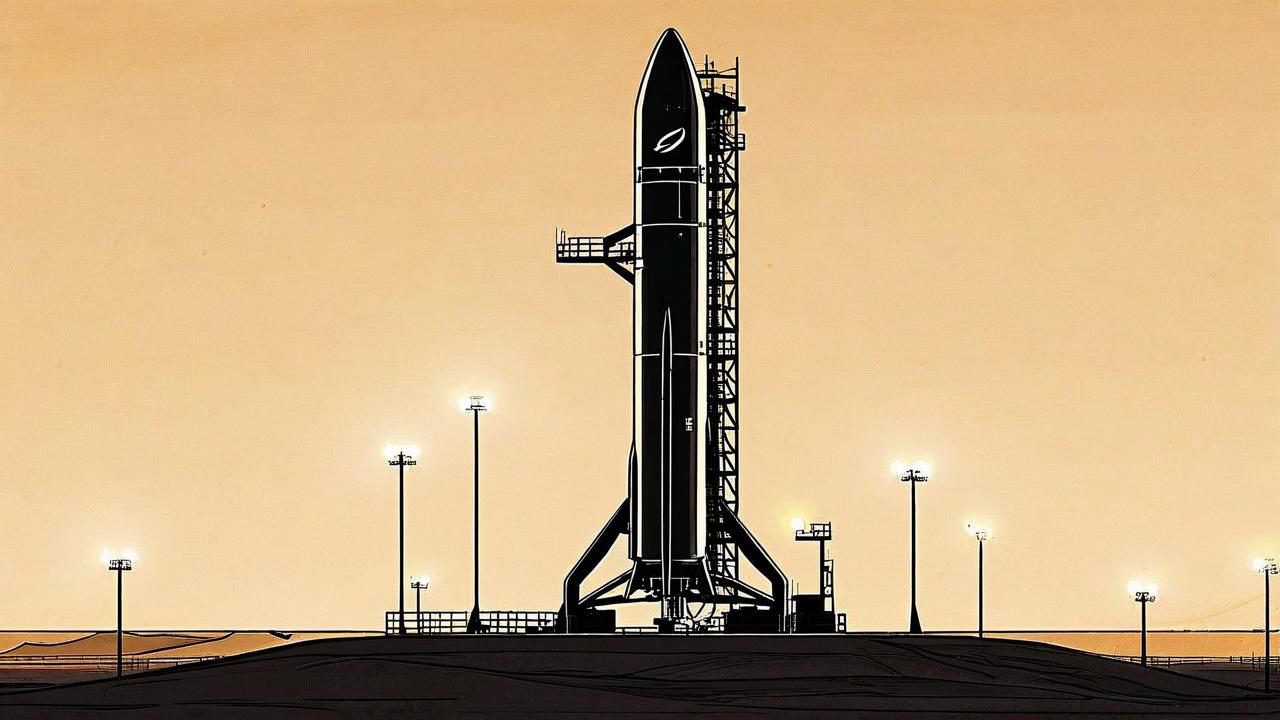

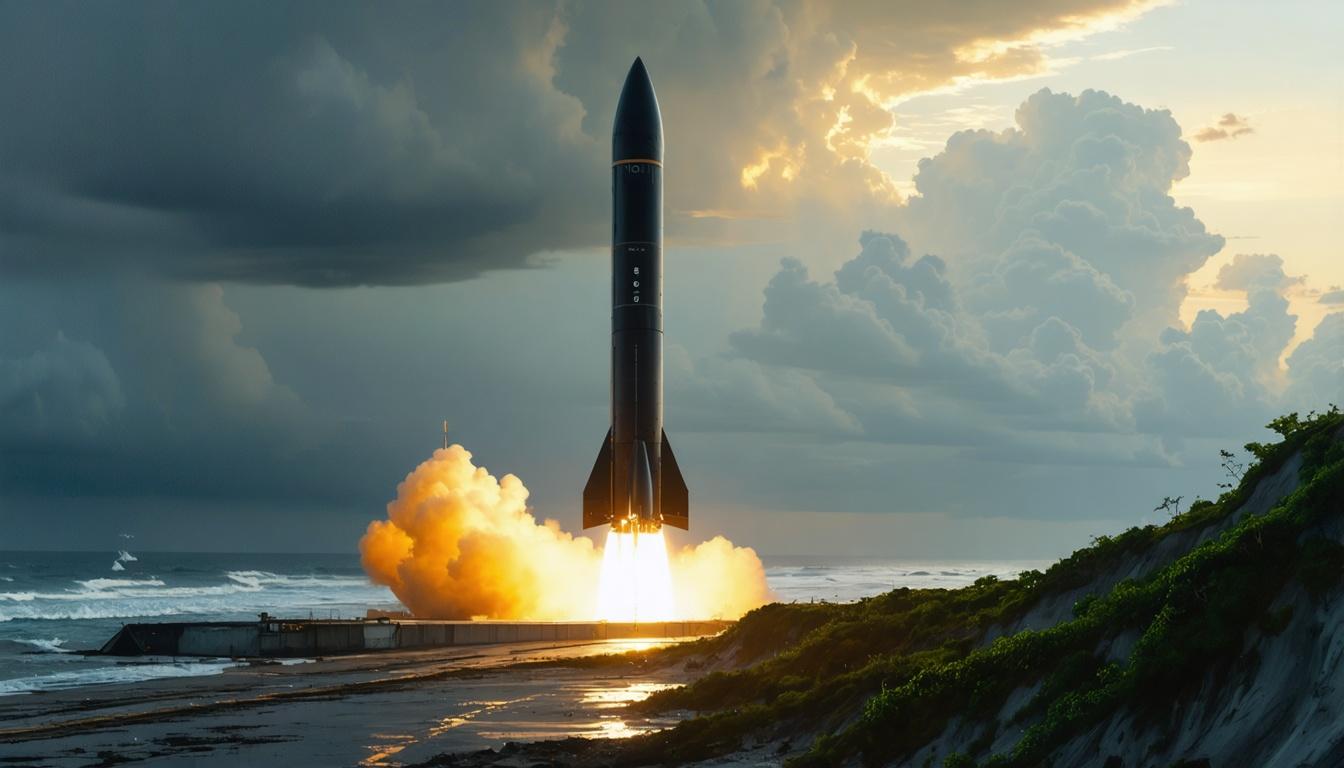
*this image is generated using AI for illustrative purposes only.
Rocket Lab Corp reported record second-quarter revenue of $234.1 million, beating consensus estimates of $231.35 million, while its adjusted EBITDA loss narrowed to $8.8 million against an estimated $19.3 million loss. The company announced a record backlog of $2.36 billion, up 28% from $1.85 billion at the end of 2025. Beyond the financials, Chief Financial Officer Adam Spice signaled that strong demand for the upcoming Neutron rocket could lead to higher average selling prices (ASPs), citing a constrained launch market where supply is scarce.
Management reaffirmed that the Neutron heavy-lift vehicle remains on track for its first launch later this year, with Stage 1 production on schedule for delivery to the launchpad in the fourth quarter of 2026. CEO Peter Beck acknowledged that while the window for a year-end launch is narrowing, the company is prioritizing rapid progression from first flight to higher cadence. Beck highlighted artificial intelligence (AI) data centers moving into orbit as a "real opportunity," noting that launch capacity is becoming increasingly scarce due to demand from AI infrastructure and satellite constellations.
Pricing Power and Market Dynamics
Rocket Lab brought Neutron to market with an initial average selling price of $50 million to $55 million. Spice stated that the company has avoided significant discounts on early launches and now sees room for prices to move higher. "We feel very good about where the market is from a supply versus demand perspective," Spice said. "I think right now the view is that we see more upside to ASPs than certainly to anything considered down or sideways."
Beck noted that customers seeking launches after 2029 face "extremely limited" options. This scarcity positions Neutron as a critical alternative to SpaceX’s Falcon 9. The company recently secured a dedicated Neutron mission for the U.S. Space Force and a commercial launch for Kepler Communications, demonstrating strong demand before the rocket has even flown.
Analyst Reactions and Ratings
Several major analysts upgraded or maintained positive outlooks on Rocket Lab following the results:
| Analyst Firm | Rating | Price Target | Key Takeaway |
|---|---|---|---|
| Cantor Fitzgerald | Overweight | $122 (raised from $96) | Neutron is the "most material catalyst"; expects improved unit economics |
| BofA Securities | Buy | $115 (maintained) | Space Systems revenue grew 94% YoY; adjusted EBITDA beat estimates |
| BTIG | Neutral | N/A | Continued momentum toward becoming a fully integrated space company |
Cantor Fitzgerald analyst Andres Sheppard noted that once operational, Neutron will be the "only viable alternative" to SpaceX’s Falcon 9, potentially accelerating the path to profitability. BofA Securities analyst Ronald Epstein highlighted that revenue growth was driven mainly by SDA Tranche II and III contracts and the components business. BTIG analyst Andre Madrid pointed to major wins across both Launch and Space Systems, including over $437 million in new launch awards during Q2 and post-quarter activity, bringing the launch backlog to more than 90 missions.
Operational Highlights
The company’s Space Systems segment saw robust growth, with revenue increasing 94% year-on-year. This growth was bolstered by defense contracts and the recently announced acquisition of Iridium, which supports Rocket Lab’s strategy to become a fully integrated space company. Additionally, Rocket Lab has completed 87 successful Electron missions through Q2FY26. Beck indicated that even new capacity from competitors is being committed to internal programs, describing the launch environment as constrained for some time.
Financial Performance
| Metric | Actual | Estimate |
|---|---|---|
| Q2 Revenue | $234.1 million | $231.35 million |
| EPS Loss | 8 cents | 7 cents |
| Adj. EBITDA Loss | $8.8 million | $19.3 million |
| Backlog | $2.36 billion | N/A |
What the Numbers Show
While Rocket Lab’s top-line growth and margin improvements in adjusted EBITDA demonstrate operational efficiency, the widening net loss per share (8 cents vs. 7 cents estimate) suggests ongoing investment pressures. The record backlog of $2.36 billion provides visibility into future revenue, but the stock’s decline indicates investors are pricing in execution risks associated with the Neutron program. The strategic pivot toward high-margin infrastructure services like orbital data centers aims to address long-term profitability, leveraging the company’s position in a market where launch capacity is becoming a scarce resource. The potential for ASP increases adds a layer of margin expansion not previously priced in, assuming successful execution of the Neutron timeline.

How might the integration of Iridium accelerate Rocket Lab's transition to a fully integrated space company, and what synergies are expected between its launch services and satellite operations?
Given the scarcity of launch capacity post-2029, how significant is the risk that competitors like SpaceX could expand their Falcon 9 cadence or accelerate Starship deployment, potentially eroding Neutron's pricing power?
What specific regulatory or technical hurdles could delay the Neutron rocket's first launch beyond 2026, and how would such delays impact the company's ability to capitalize on current high ASPs?
 16
16











 Create Custom Screeners
  Access 200+ Pre-built Filters
  Use 50+ Readymade Screener





