Rocket Lab unveils GHOST containerized launch system for global missions

scanx
Reviewed by
Ritika DScanX News Team
Key Highlights

Rocket Lab Corporation announced GHOST, a globally deployable containerized launch system for Electron and HASTE rockets. The initiative begins with Launch Complex 4 in Alaska, adding two pads to reach a total of six operational sites worldwide, with a 2027 debut.


powered bylight_fuzz_icon
47940864

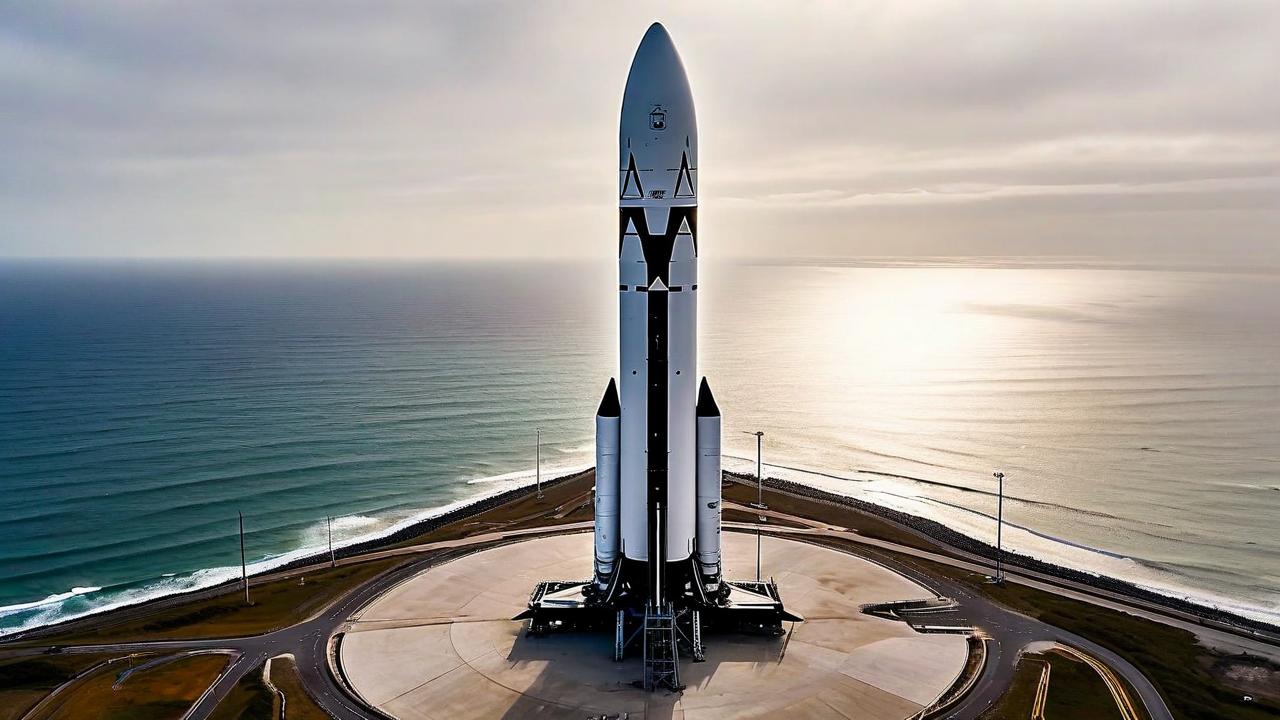
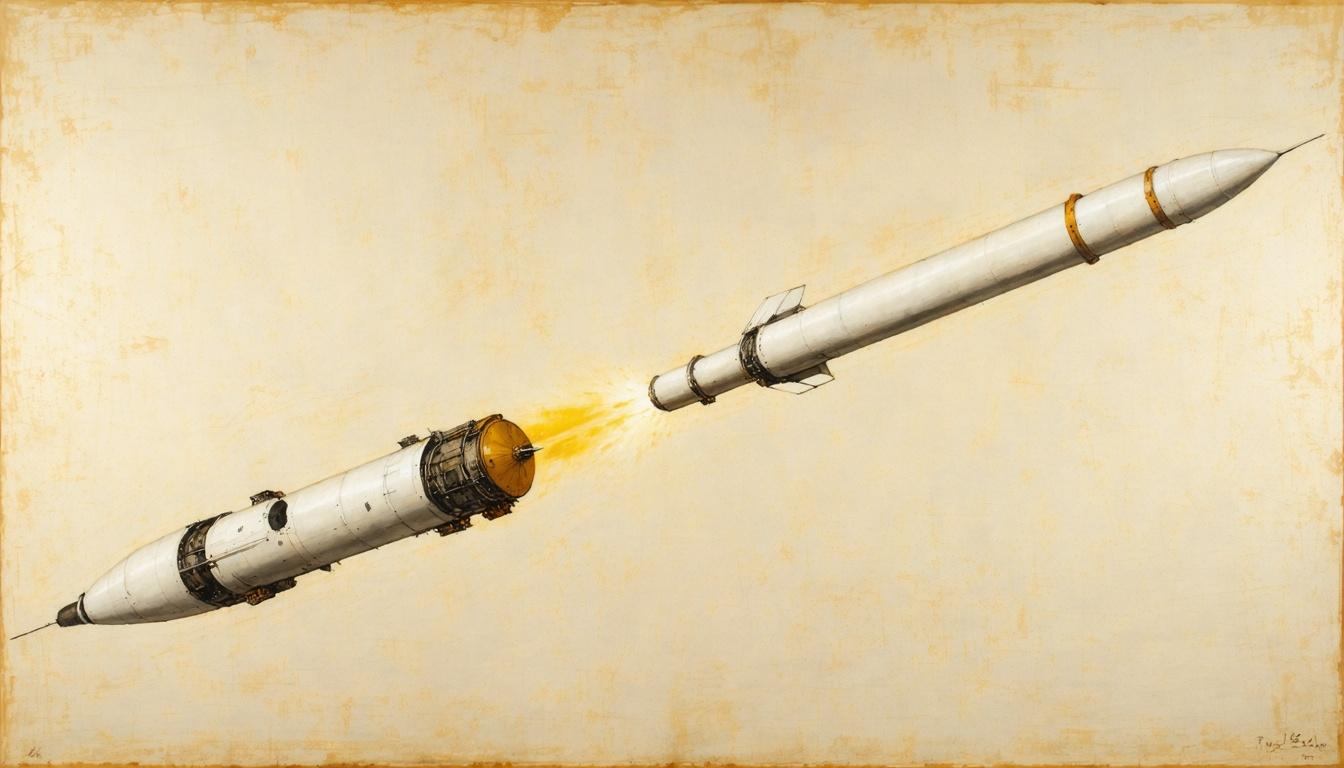
*this image is generated using AI for illustrative purposes only.

Rocket Lab Corporation (NASDAQ: RKLB) has unveiled GHOST, a new globally deployable containerized launch system designed to enable suborbital and orbital launches from anywhere in the world. Announced on August 10, 2026, from Long Beach, California, the system transforms the company’s Electron and HASTE rockets into a flexible capability for multi-launch flight campaigns and critical national security missions. By packaging complete rockets, launch infrastructure, ground support, and range control systems within standard shipping containers, GHOST allows for rapid deployment of launch operations in diverse geographic locations, addressing increasing international demand for sovereign launch capabilities.

The strategic value of GHOST lies in its ability to decouple launch capabilities from fixed infrastructure. This mobility supports high-frequency launch campaigns and provides redundancy for critical national security missions that require immediate or geographically specific deployment. Because both Electron and HASTE use the same ground infrastructure, GHOST delivers a dual-launch capability across new locations, allowing Rocket Lab to expand mission profiles and meet time-critical needs without compromise. Sir Peter Beck, founder and CEO of Rocket Lab, stated that the system packages the company’s reliability and affordability into a deployable solution for missile defense, deterrence, and allied nation support.

Launch Complex 4 Deployment

GHOST’s first location, designated as Rocket Lab Launch Complex 4, will be established at the Pacific Spaceport Complex at Kodiak, Alaska. The site will feature two pads designed to support high-frequency launch campaigns. These new pads will complement Rocket Lab’s existing infrastructure, which includes Launch Complex 1 in New Zealand, and Launch Complex 2 and Launch Complex 3 in Virginia.

With the addition of the two pads in Alaska, the total number of pads operated by Rocket Lab will reach six across two hemispheres. This expansion enhances the company’s global footprint and increases its capacity to service a broader range of orbital inclinations and customer requirements.

Launch Complex Location Pads Status
Launch Complex 1 New Zealand Existing Operational
Launch Complex 2 Virginia Existing Operational
Launch Complex 3 Virginia Existing Operational
Launch Complex 4 Alaska 2 Planned

Operational Timeline

The GHOST system is set to make its operational debut with a suborbital launch from Alaska in 2027. This initial mission will validate the containerized deployment model and the integration of the Electron and HASTE rockets with the mobile infrastructure. Following the successful debut, Rocket Lab plans to utilize the system for both suborbital and orbital missions, leveraging the flexibility of the containerized design to respond to emerging market demands and national security needs.

What the Numbers Show

The expansion to six pads across two hemispheres marks a significant scaling of Rocket Lab’s physical infrastructure. By standardizing ground infrastructure for both Electron and HASTE, the company reduces the marginal cost of deploying new launch sites. The modular nature of GHOST suggests a shift toward lower capital expenditure per pad compared to traditional spaceport construction, potentially improving return on invested capital for future expansions.

How will the modular, containerized nature of GHOST impact Rocket Lab's capital expenditure and return on invested capital compared to traditional fixed-site spaceport construction?

What regulatory or geopolitical challenges might Rocket Lab face when deploying sovereign launch capabilities in allied nations outside of the United States?

Will the introduction of GHOST accelerate the commercial adoption of the HASTE rocket, and how might this shift Rocket Lab's revenue mix between Electron and HASTE missions?

like19
dislike

Rocket Lab establishes Germany entity for sovereign space manufacturing

scanx
Reviewed by
Shriram SScanX News Team
Key Highlights

Rocket Lab Corporation announced the formation of Rocket Lab Germany GmbH on Aug 10, 2026, to establish a sovereign space manufacturing hub in Europe. Building on its acquisition of Munich-based Mynaric AG, the new entity aims to scale satellite, payload, and component production while delivering launch services via Electron and Neutron rockets. This strategic expansion targets growing European demand for independent space infrastructure in commercial, defense, and national security markets.

powered bylight_fuzz_icon
47942575

*this image is generated using AI for illustrative purposes only.

Rocket Lab Corporation (NASDAQ: RKLB) has formally established Rocket Lab Germany GmbH, a strategic expansion aimed at scaling satellite and component manufacturing within Europe. Announced on Aug 10, 2026, from Munich, this new entity is designed to provide sovereign space capabilities to European customers, marking a significant milestone in the company’s international growth strategy. The initiative directly addresses the evolving needs of European clients by creating a dedicated regional hub for constellation-class manufacturing, ensuring assured access to space through both domestic production and launch services.

The establishment of the German subsidiary builds upon Rocket Lab’s existing foothold in the region, specifically through its strategic acquisition of Mynaric AG. Based in Munich, Mynaric is a premier provider of laser optical communications terminals. As part of Rocket Lab, Mynaric will continue to produce its industry-leading optical terminals while developing future optical communications technology. The integration allows Rocket Lab to apply its proven manufacturing and supply chain expertise to increase Mynaric’s scale and efficiency, thereby serving both European and global demand more effectively.

Strategic Manufacturing Expansion

Beyond the integration of Mynaric, Rocket Lab Germany is pursuing opportunities that could lead to the broader establishment of satellite, payload, and components manufacturing in Germany. This expansion aims to create a comprehensive regional hub capable of supporting large-scale constellation deployments. By localizing these critical manufacturing processes, Rocket Lab seeks to reduce supply chain dependencies and enhance operational efficiency for its European clientele. The company intends to deliver launch services on Electron and Neutron, combining high-frequency access to space with high-volume satellite production.

Entity Location Primary Function
Rocket Lab Germany GmbH Germany Satellite and component manufacturing hub
Mynaric AG Munich Laser optical communications terminals

Sovereign Space Capabilities

A core objective of this expansion is to provide sovereign space capabilities to Europe. This focus aligns with growing regional demands for independent access to space infrastructure and technologies. By establishing a manufacturing presence in Germany, Rocket Lab positions itself as a key partner for European governments and commercial entities seeking secure, locally supported space systems. The move underscores the company’s commitment to diversifying its global footprint beyond its primary operations, addressing what CEO Sir Peter Beck described as "glaring gaps across both launch and spacecraft manufacturing" in Europe.

What the Numbers Show

While specific financial figures for the German subsidiary were not disclosed, the strategic importance of this move is evident in Rocket Lab’s broader growth trajectory. The company’s ability to scale manufacturing through acquisitions like Mynaric demonstrates a clear strategy of vertical integration and geographic diversification. This approach allows Rocket Lab to capture higher value segments of the space industry, moving beyond launch services into high-margin space systems and components. The establishment of Rocket Lab Germany represents a tangible step toward realizing this diversified revenue model in one of the world’s most advanced industrial economies, targeting an unprecedented boom in European demand for thousands of satellites over the next decade.

How might Rocket Lab's new German manufacturing hub impact the competitive landscape against established European aerospace giants like Airbus and Thales Alenia Space?

What specific regulatory or export control challenges could arise from integrating Mynaric's optical communication technology into Rocket Lab's global supply chain?

Will the localization of satellite production in Germany significantly reduce launch costs for European constellation operators compared to current transatlantic logistics models?

like20
dislike

More News on Rocket Lab Corp