

Rocket Lab establishes Germany entity for sovereign space manufacturing


Rocket Lab Corporation announced the formation of Rocket Lab Germany GmbH on Aug 10, 2026, to establish a sovereign space manufacturing hub in Europe. Building on its acquisition of Munich-based Mynaric AG, the new entity aims to scale satellite, payload, and component production while delivering launch services via Electron and Neutron rockets. This strategic expansion targets growing European demand for independent space infrastructure in commercial, defense, and national security markets.

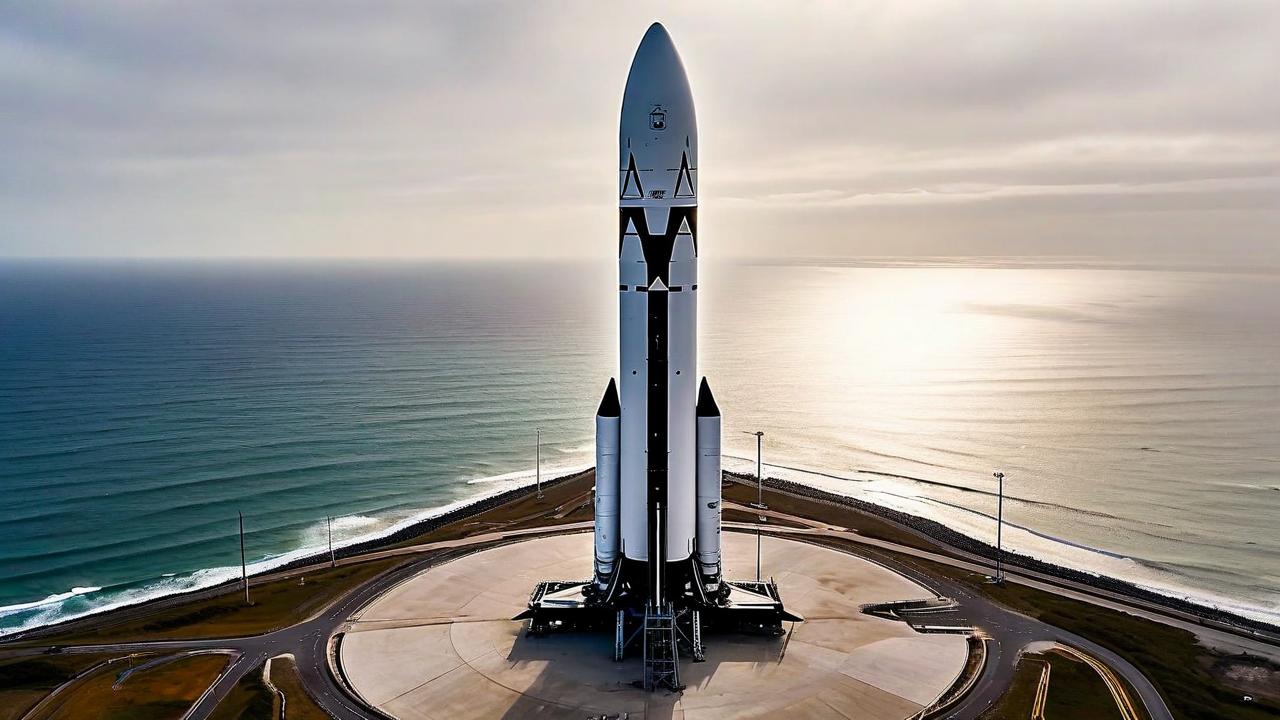

*this image is generated using AI for illustrative purposes only.
Rocket Lab Corporation (NASDAQ: RKLB) has formally established Rocket Lab Germany GmbH, a strategic expansion aimed at scaling satellite and component manufacturing within Europe. Announced on Aug 10, 2026, from Munich, this new entity is designed to provide sovereign space capabilities to European customers, marking a significant milestone in the company’s international growth strategy. The initiative directly addresses the evolving needs of European clients by creating a dedicated regional hub for constellation-class manufacturing, ensuring assured access to space through both domestic production and launch services.
The establishment of the German subsidiary builds upon Rocket Lab’s existing foothold in the region, specifically through its strategic acquisition of Mynaric AG. Based in Munich, Mynaric is a premier provider of laser optical communications terminals. As part of Rocket Lab, Mynaric will continue to produce its industry-leading optical terminals while developing future optical communications technology. The integration allows Rocket Lab to apply its proven manufacturing and supply chain expertise to increase Mynaric’s scale and efficiency, thereby serving both European and global demand more effectively.
Strategic Manufacturing Expansion
Beyond the integration of Mynaric, Rocket Lab Germany is pursuing opportunities that could lead to the broader establishment of satellite, payload, and components manufacturing in Germany. This expansion aims to create a comprehensive regional hub capable of supporting large-scale constellation deployments. By localizing these critical manufacturing processes, Rocket Lab seeks to reduce supply chain dependencies and enhance operational efficiency for its European clientele. The company intends to deliver launch services on Electron and Neutron, combining high-frequency access to space with high-volume satellite production.
| Entity | Location | Primary Function |
|---|---|---|
| Rocket Lab Germany GmbH | Germany | Satellite and component manufacturing hub |
| Mynaric AG | Munich | Laser optical communications terminals |
Sovereign Space Capabilities
A core objective of this expansion is to provide sovereign space capabilities to Europe. This focus aligns with growing regional demands for independent access to space infrastructure and technologies. By establishing a manufacturing presence in Germany, Rocket Lab positions itself as a key partner for European governments and commercial entities seeking secure, locally supported space systems. The move underscores the company’s commitment to diversifying its global footprint beyond its primary operations, addressing what CEO Sir Peter Beck described as "glaring gaps across both launch and spacecraft manufacturing" in Europe.
What the Numbers Show
While specific financial figures for the German subsidiary were not disclosed, the strategic importance of this move is evident in Rocket Lab’s broader growth trajectory. The company’s ability to scale manufacturing through acquisitions like Mynaric demonstrates a clear strategy of vertical integration and geographic diversification. This approach allows Rocket Lab to capture higher value segments of the space industry, moving beyond launch services into high-margin space systems and components. The establishment of Rocket Lab Germany represents a tangible step toward realizing this diversified revenue model in one of the world’s most advanced industrial economies, targeting an unprecedented boom in European demand for thousands of satellites over the next decade.

How might Rocket Lab's new German manufacturing hub impact the competitive landscape against established European aerospace giants like Airbus and Thales Alenia Space?
What specific regulatory or export control challenges could arise from integrating Mynaric's optical communication technology into Rocket Lab's global supply chain?
Will the localization of satellite production in Germany significantly reduce launch costs for European constellation operators compared to current transatlantic logistics models?
 15
15











 Access 50+ Readymade Screeners
  Use 200+ Custom Filters
  Get Full Market Insights





