

Gene Munster says Apple has upper hand in OpenAI trade secret lawsuit


- Gene Munster of Deepwater Asset Management says Apple has the upper hand in its trade secret lawsuit against OpenAI
- Apple presented forensic evidence alleging former employee Chang Liu downloaded confidential circuit schematics
- OpenAI denies theft, blaming Apple's offboarding process and calling the suit a mess of Apple's own making
- Apple shares rose 2.61% to $325.13 on Tuesday, outperforming the Nasdaq

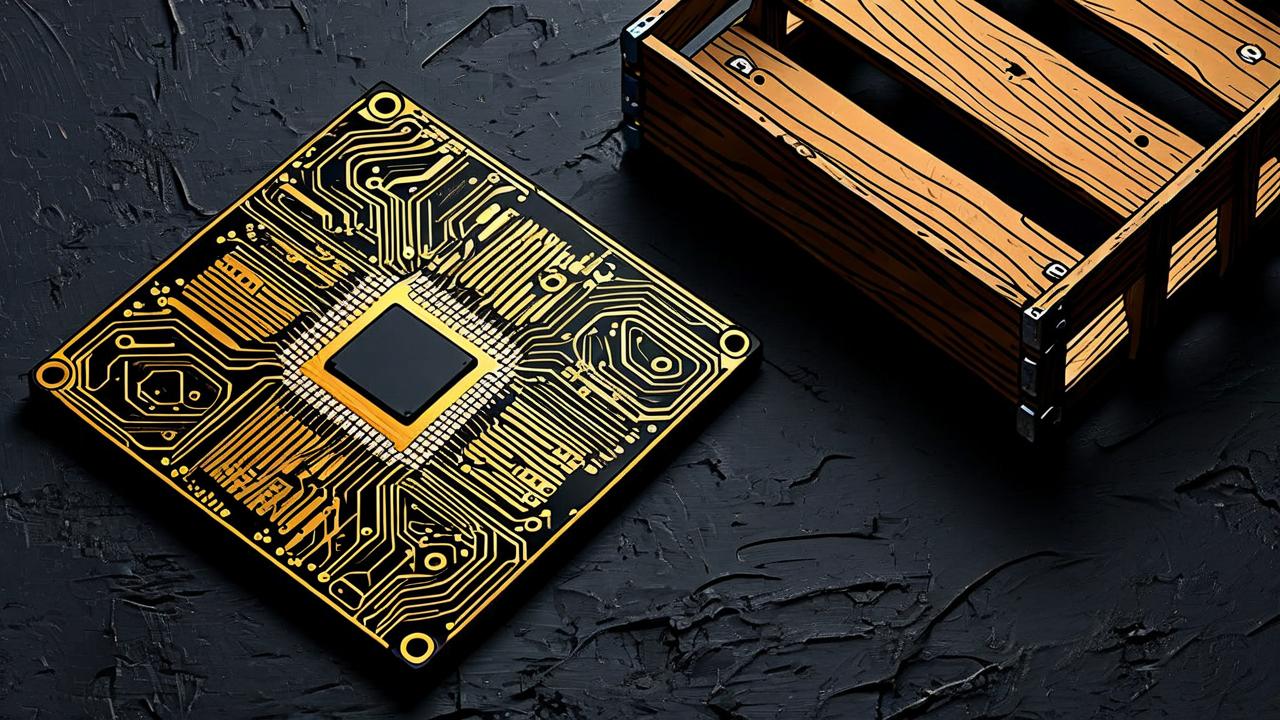

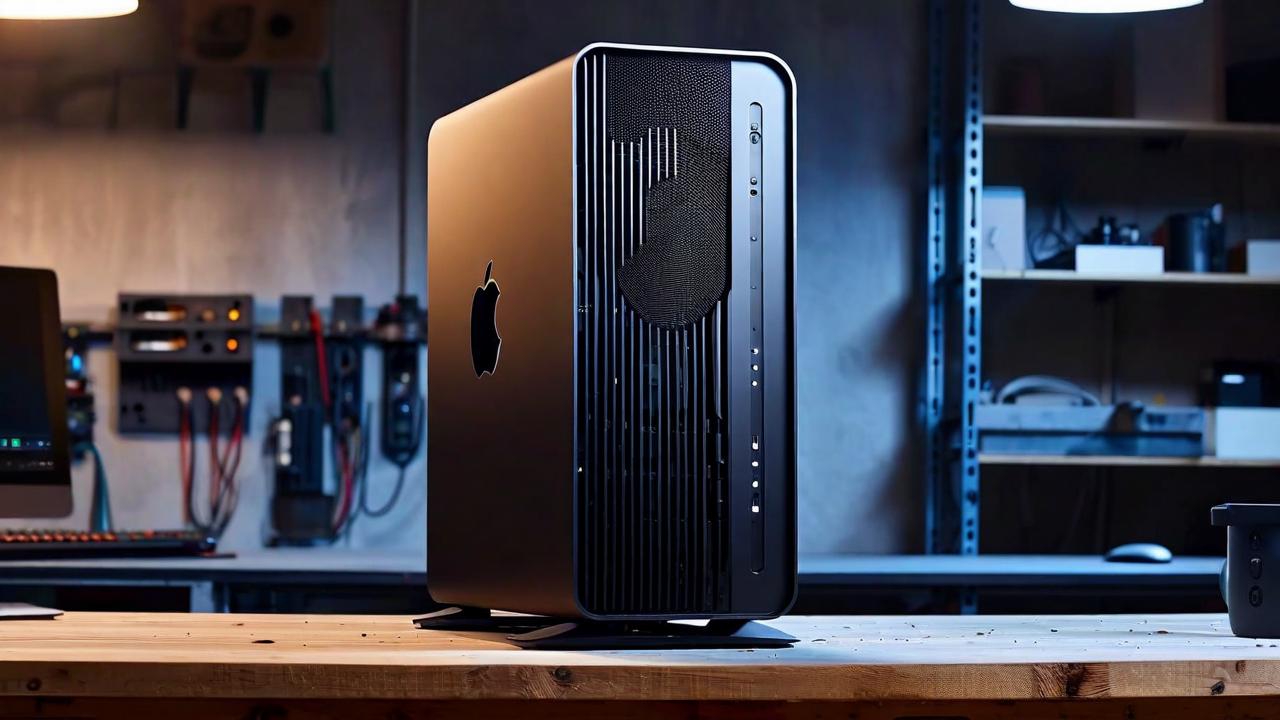
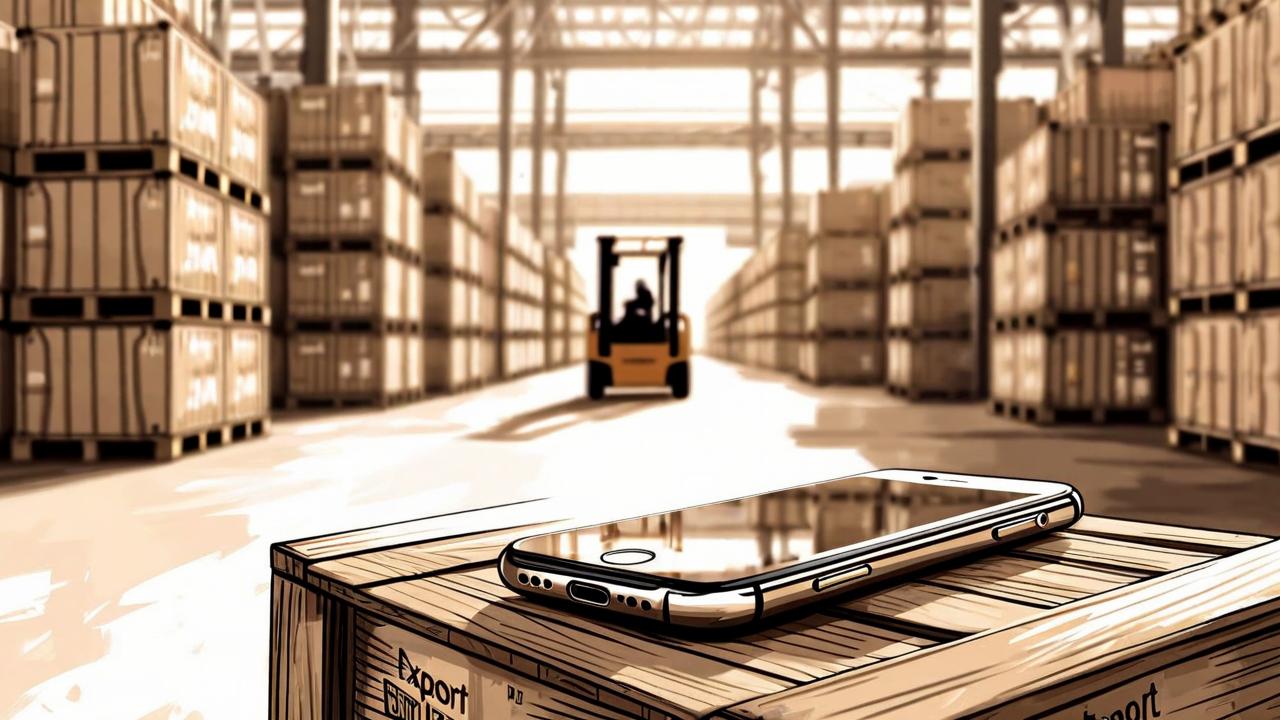
*this image is generated using AI for illustrative purposes only.
Deepwater Asset Management partner Gene Munster stated that Apple Inc (NASDAQ: AAPL) holds the upper hand in its escalating trade secret dispute with OpenAI. The analyst pointed to new evidence presented by Apple regarding alleged data theft by former employees as a key factor shifting the legal dynamic.
Analyst View on Legal Standing
Munster argued that Apple’s recent allegations are likely credible because the iPhone maker typically adopts a conservative legal approach. He noted that presenting false claims would be a reckless move for the company.
"In reviewing what both companies have said over the last 24 hours, it seems Apple has the upper hand," Munster wrote on X. He added that the market appears to be siding with Apple, noting that shares rose 3% on Tuesday while the Nasdaq fell 1%.
New Evidence Cited by Apple
Apple’s strengthened position stems from a forensic review of a MacBook belonging to Chang Liu, a former Apple employee who now works at OpenAI. The company told the court that Liu downloaded a confidential Apple circuit schematic and used it in his work at the AI developer.
Apple also alleged that Liu retained unauthorized access to internal data after leaving the company. The iPhone maker is seeking expedited discovery and a preliminary injunction to restrict OpenAI and the former employees from using or disclosing the alleged trade secrets during the proceedings.
OpenAI’s Defense Remains Unchanged
OpenAI continues to deny the allegations, calling the lawsuit "a mess of Apple’s own making." The AI developer argues that Apple failed to demonstrate any confidential information was stolen and blames the dispute on Apple’s own employee offboarding processes.
OpenAI emphasized that California law permits employee mobility and noted that Apple’s policy of immediately escorting departing staff does not allow sufficient time to return devices or transfer files. The company highlighted that it has hired approximately 400 staff members from Apple for its hardware initiatives.
Market Reaction
Apple closed at $325.13 on Tuesday, up 2.61%. In Wednesday’s premarket trading, shares were at $324.80, down 0.10%. Benzinga Edge Stock Rankings place Apple in the 97th percentile for Quality, citing strong performance across short, medium, and long-term metrics.
The legal conflict marks a sharp downturn in relations between the two tech giants, which entered a collaboration approximately two years ago to increase ChatGPT’s reach and support Apple’s AI efforts.

How might the outcome of this trade secret dispute impact the existing strategic partnership between Apple and OpenAI regarding ChatGPT integration?
Could Apple's aggressive legal stance signal a broader shift in how tech giants protect intellectual property against AI startups recruiting their engineering talent?
What are the potential long-term implications for OpenAI's hardware development timeline if a preliminary injunction restricts access to alleged stolen schematics?
 16
16




 Access Market Heat-map & Insights
  Create, Save & Share your Screener
  Use 200+ Screening Filters





