

Apple iPhone shipments rise 13% in Q2 2026 amid global slump


- Apple iPhone shipments rose 13% YoY in Q2 2026 despite a 16.7% global smartphone decline
- iOS market share is on track for a record high of 23.6% as Android shipments face a projected 24.3% drop
- U.S. smartphone shipments grew 6% YoY, though Apple's share fell four points sequentially
- Samsung and Google gained market share as they accelerated shipments ahead of rising memory costs

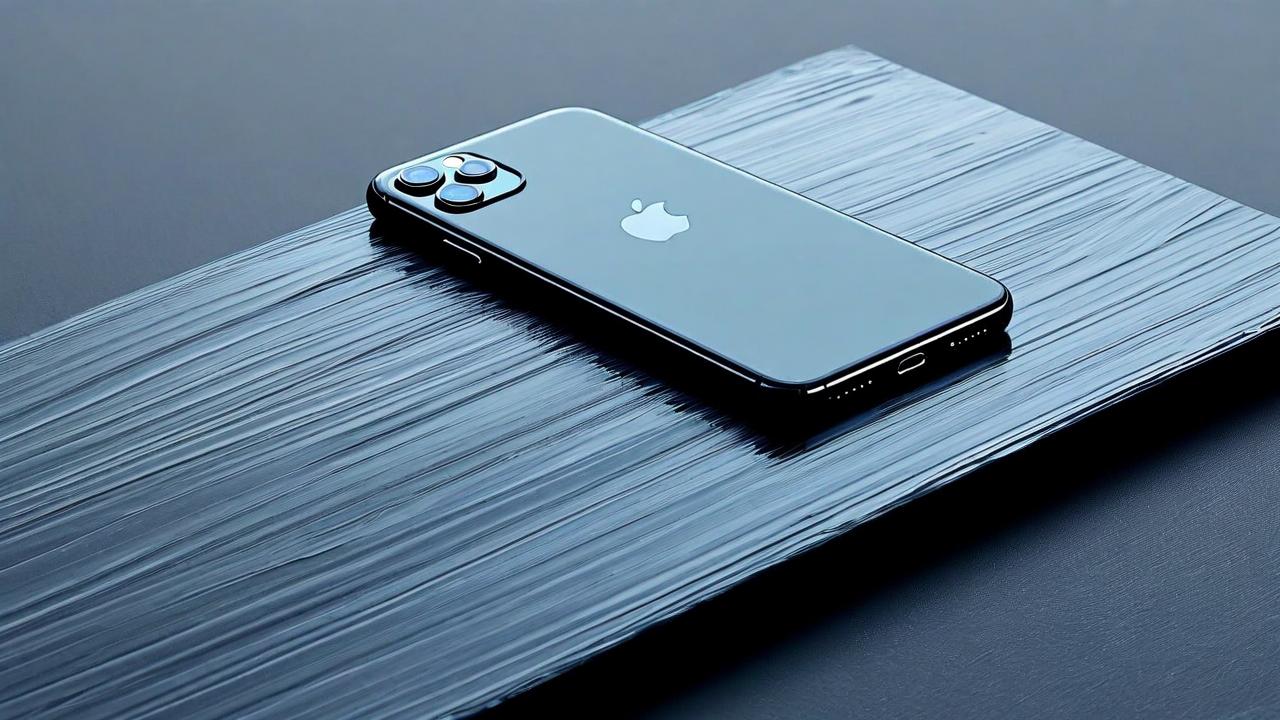

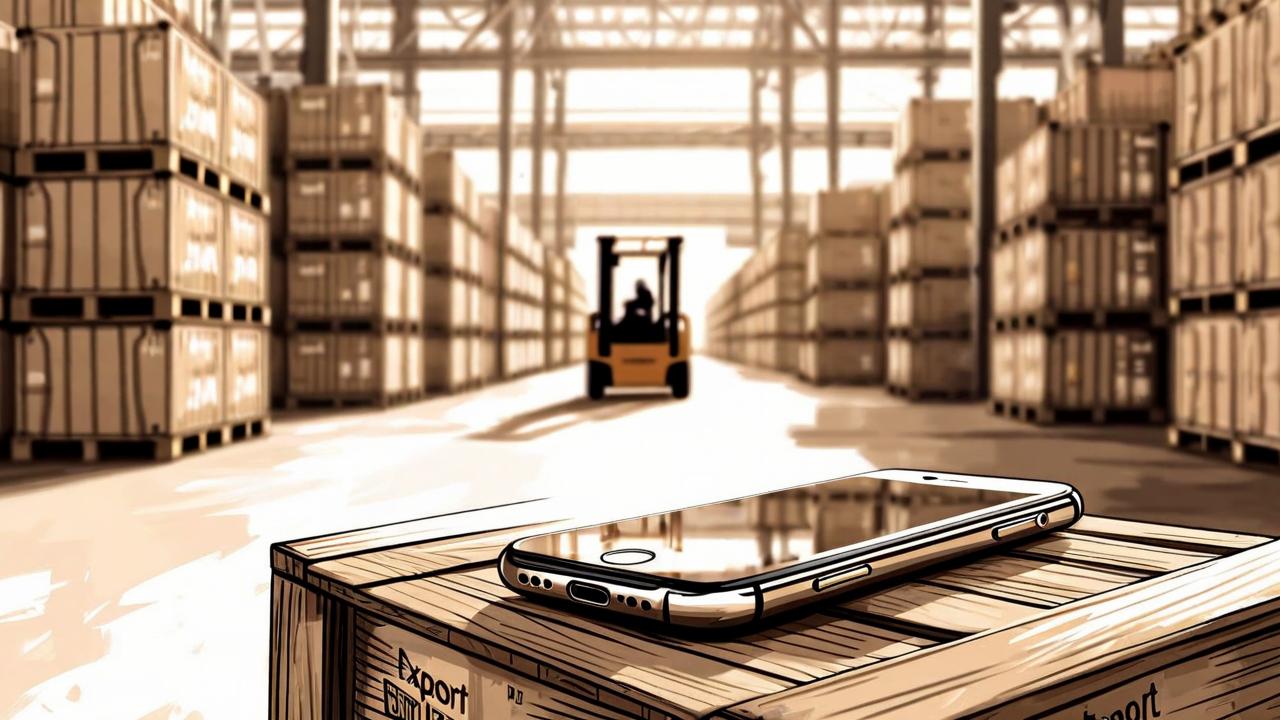
*this image is generated using AI for illustrative purposes only.
Apple Inc. (NASDAQ: AAPL) reported a 13% year-over-year increase in iPhone shipments during the second quarter of 2026. This growth occurred despite a projected 16.7% global decline in smartphone shipments.
The shipment surge was driven by strong demand for the iPhone 17 series, stable pricing strategies, and Apple's continued push to capture market share. Industry data indicates that Apple, alongside Samsung and Huawei, remains best positioned to navigate the current downturn.
Market Share Dynamics
Apple is on track to achieve a record high iOS market share of 23.6%. This expansion comes as the broader industry faces significant headwinds. A memory shortage has been identified as a primary factor disrupting global supply chains and contributing to the steep decline in overall smartphone volumes.
Counterpoint Research noted that U.S. smartphone shipments rose 6% year-over-year as manufacturers accelerated deliveries ahead of RAM and NAND price increases. While Apple maintained its U.S. share year-over-year, it fell four percentage points sequentially following the iPhone 17e launch.
Samsung Electronics Co Ltd (OTC: SSNLF) increased its market share by three percentage points year-over-year and four points sequentially, accelerating Galaxy A17 5G shipments. Alphabet Inc (NASDAQ: GOOGL) unit Google gained one percentage point year-over-year as Pixel shipments increased with sufficient memory components. Motorola lost one percentage point of share due to weak prepaid demand.
Global Contraction and Analyst Views
IDC expects the global smartphone market to shrink sharply in 2026 as soaring memory costs raise prices and pressure lower-end devices. Android shipments are projected to fall 24.3% as manufacturers pull back from less profitable entry-level devices. In contrast, Apple shipments are expected to decline just 1.3%, helping iOS reach its record share.
Huawei is also gaining ground in China, while smaller Android brands face greater pressure as the market shifts toward higher prices and fewer units.
Apple stock carries a Buy rating with an average price forecast of $335.24. Recent analyst moves include:
- Rothschild & Co: Upgraded to Buy (Raises Forecast to $400.00) on Aug. 17
- Jefferies: Downgraded to Underperform (Lowers Forecast to $263.66) on Aug. 10
- China Renaissance: Downgraded to Hold (Forecast $280.00) on Aug. 4
Leadership Transition and Product Teasers
The company is preparing for a leadership transition, with John Ternus scheduled to succeed Tim Cook as CEO on Sept. 1. Apple released a "Surprise and shine" teaser for its Sept. 9 event, sparking speculation regarding the upcoming iPhone 18 Pro lineup.
Recent developments at Apple Park included a visit from the Pokémon team, featuring a life-size Pikachu. The interaction with outgoing CEO Tim Cook covered succession planning and gaming discussions.
Mac Platform Concerns
David Heinemeier Hansson, creator of Ruby on Rails, raised concerns about the Mac's future in the era of AI agents. He suggested that Apple's tightly controlled environment could become a weakness compared to Linux-based systems, which he views as potentially better suited for desktop AI integration.

How might the upcoming leadership transition to John Ternus influence Apple's strategic approach to AI integration and hardware-software synergy?
Could the global memory shortage and rising component costs accelerate the consolidation of the smartphone market, further marginalizing smaller Android manufacturers?
Will Apple's stable pricing strategy remain sustainable as competitors like Samsung and Huawei adjust their product mixes to mitigate supply chain disruptions?
 20
20







 Create Custom Screeners
  Access 200+ Pre-built Filters
  Use 50+ Readymade Screener





