

Apple market share hits record 23.6% as Android shipments fall 24.3%


- Global smartphone shipments fall 16.7% YoY in 2026, with Android dropping 24.3%
- Apple's iOS share hits record 23.6% as iPhone shipments grow 1.3% to 243.8 million units
- Memory costs surge 300% YoY, but Apple's scale helps absorb price pressures better than rivals
- Huawei's HarmonyOS shipments triple to 51 million units, challenging Apple specifically in China
- Sub-$100 device shipments plunge nearly 60%, highlighting concentration of demand destruction in low-end segment

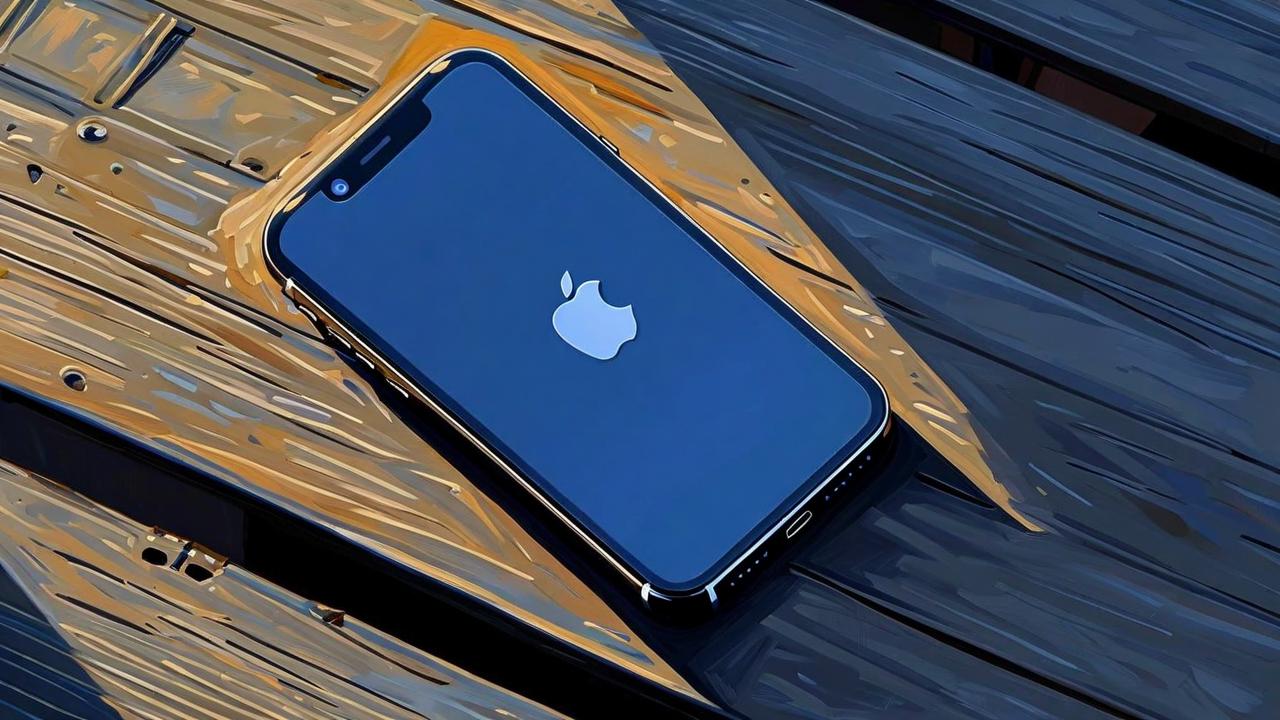

*this image is generated using AI for illustrative purposes only.
Apple Inc (NASDAQ: AAPL) is positioned to gain global smartphone market share in calendar 2026, according to JPMorgan. The brokerage cites a sharp divergence between iOS and Android demand, with Android facing significant contraction while Apple’s premium positioning shields it from the worst of the downturn.
Market Share Divergence
International Data Corp. (IDC) projects global smartphone shipments to fall 16.7% year over year in 2026, revising its previous forecast of a 13.9% decline. Annual shipments are expected to approach 1 billion units.
The decline is heavily concentrated in the Android ecosystem. IDC forecasts Android device shipments to drop 24.3%, compared with a modest 1.3% decline for iOS devices. This disparity lifts Apple’s operating system to a record 23.6% share of global smartphone shipments.
| Segment | Projected Shipment Change (2026) | Global Share Impact |
|---|---|---|
| Android | -24.3% | Declining |
| iOS | -1.3% | Record 23.6% |
| Sub-$100 Devices | ~-60% | Severe Contraction |
JPMorgan analyst Samik Chatterjee forecasts iPhone shipments to grow 1.3% to 243.8 million units in calendar 2026. This growth outlook contrasts with the broader industry decline, driven by Apple’s limited exposure to entry-level smartphones where demand destruction is most acute.
Supply Chain Advantages
Component costs are rising sharply, with NAND and DRAM prices surging more than 300% year over year. IDC expects memory prices to remain elevated through 2028.
Smaller Android manufacturers face higher component costs due to lower purchasing power. In contrast, JPMorgan believes Apple’s long-term supplier agreements, vertical integration, and purchasing scale allow it to absorb these pressures. Chatterjee expects Apple to increase iPhone prices by less than the broader industry, preserving its competitive edge in the premium segment without relying on breakthrough product innovations.
Huawei Challenge in China
While Apple benefits from Android weakness globally, China presents a distinct headwind. IDC expects HarmonyOS shipments to roughly triple to 51 million units in 2026 as Huawei absorbs production capacity from smaller Chinese makers pulling back from the market.
This resurgence shifts the competitive equation in China. Instead of benefiting from broad Android weakness, Apple faces direct competition from a strengthening Huawei ecosystem. This dynamic makes the Chinese market the primary variable in determining how much of the global opportunity Apple captures.
What the Numbers Show
The data reveals a structural bifurcation in the smartphone market. While overall volume contracts by nearly 17%, the premium segment remains resilient. Apple’s projected shipment growth of 1.3% against an industry backdrop of 16.7% degrowth indicates that market share gains are being driven by volume preservation in high-margin segments rather than total addressable market expansion. The near-60% plunge in sub-$100 device shipments confirms that the downturn is priced-driven, favoring players with strong brand equity and supply chain leverage.

How might Apple's ability to absorb rising component costs impact its gross margins compared to Android competitors in 2026?
What specific strategies is Huawei employing to capture market share from smaller Chinese manufacturers, and could this model expand beyond China?
Could the severe contraction in sub-$100 device shipments accelerate consolidation among lower-tier Android OEMs, and which players are most at risk?
 18
18











 Access Market Heat-map & Insights
  Create, Save & Share your Screener
  Use 200+ Screening Filters





