

National Fertilizers submits FY26 sustainability report detailing ESG metrics


- National Fertilizers filed its FY26 BRSR with a turnover of ₹21,230.67 crore
- Total energy consumption fell to 9,22,33,656 units from 9,45,40,025 in FY25
- Scope 1 emissions dropped to 24,13,387 metric tonnes CO2 equivalent
- Employee turnover rate declined to 13.72% from 16.64% in the prior year
- Zero liquid discharge maintained across all five manufacturing units



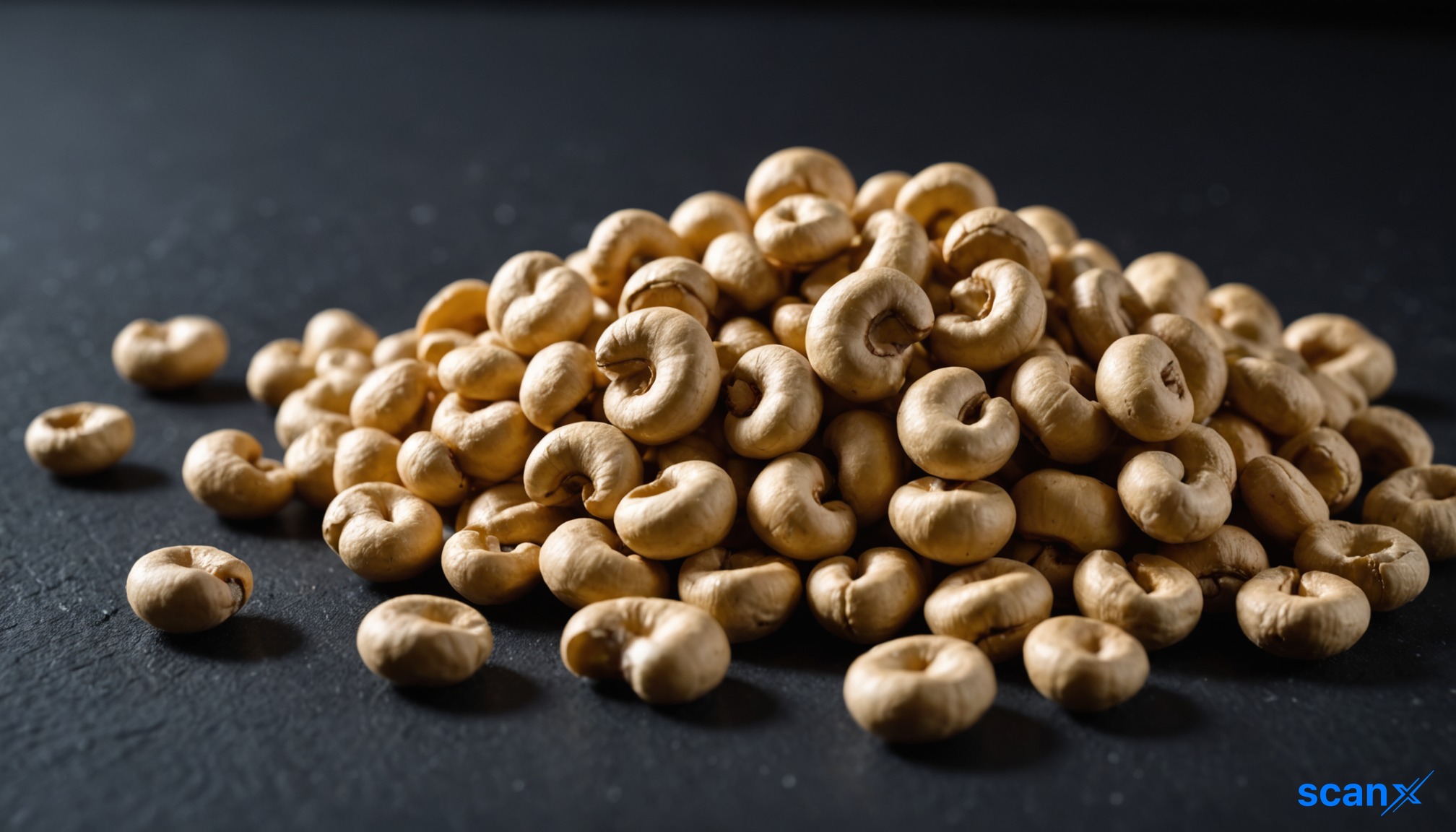
*this image is generated using AI for illustrative purposes only.
National Fertilizers Limited filed its Business Responsibility and Sustainability Report (BRSR) for FY26 on August 26, 2026. The standalone disclosure covers the company’s operations across five plants and outlines compliance with environmental, social, and governance parameters.
The report highlights a turnover of ₹21,230.67 crore and a net worth of ₹2,847.16 crore. It details the company’s adherence to regulatory frameworks including the Plastic Waste Management Rules and energy conservation targets under the Performance, Achieve and Trade (PAT) scheme.
Environmental Compliance and Energy
National Fertilizers reported total energy consumption of 9,22,33,656 units in FY26, down from 9,45,40,025 units in FY25. This reduction contributed to a decline in energy intensity per rupee of turnover from 0.000477 to 0.0004282. The company fulfilled its Renewable Energy Certificates (REC) obligations by procuring 80,128 certificates for FY24-25, with an annual financial impact estimated at ₹4–5 crore.
Greenhouse gas emissions also decreased. Total Scope 1 emissions fell to 24,13,387 metric tonnes of CO2 equivalent from 29,12,642 in the prior year. Scope 2 emissions dropped to 15,148 from 17,904. The company maintains a Zero Liquid Discharge mechanism at all units, treating effluent for horticulture or de-ashing in coal-fired boilers.
Waste Management
Total waste generated rose slightly to 19,767 metric tonnes in FY26 compared to 19,118 in FY25. Plastic waste constituted the largest share at 15,610 metric tonnes. The company fulfilled its Extended Producer Responsibility (EPR) obligations for this volume through authorized agencies, recycling 40% and disposing of 60%. Hazardous waste disposal was managed via CPCB-authorized parties.
Workforce and Social Metrics
The entity employed 1,253 permanent employees and 1,359 permanent workers as of the end of FY26. Female representation stood at 8.30% among employees and 6.92% among workers. The overall turnover rate for permanent employees declined to 13.72% from 16.64% in FY25, while worker turnover fell to 11.11% from 14.88%.
What the Numbers Show
A notable divergence exists between revenue growth and waste generation. While turnover increased significantly to ₹21,230.67 crore, total waste intensity per rupee of turnover actually improved, falling from 0.966 to 0.918. This suggests enhanced operational efficiency in waste management relative to output scale during FY26.
Governance and CSR
No fines or penalties were paid to regulators or law enforcement agencies during the year. The company conducted 321 awareness programs for value chain partners, covering 1,289 dealers and 14,357 farmers. CSR initiatives focused on education and health, benefiting approximately 25,800 individuals across Delhi, Jharkhand, Panipat, Bathinda, and Bihar.
Historical Stock Returns for National Fertilizers
| 1 Day | 5 Days | 1 Month | 6 Months | 1 Year | 5 Years |
|---|---|---|---|---|---|
| -2.07% | -5.88% | -10.18% | -1.04% | -30.62% | +7.22% |

How might National Fertilizers' reduced energy intensity and Scope 1 emissions impact its valuation in the context of tightening global carbon pricing mechanisms?
What specific capital expenditure plans does the company have to further reduce the 60% disposal rate of plastic waste, given its Extended Producer Responsibility obligations?
Could the significant improvement in waste intensity per rupee of turnover signal a sustainable competitive advantage against peers with less efficient operational models?
 15
15





 Access Market Heat-map & Insights
  Create, Save & Share your Screener
  Use 200+ Screening Filters





