

NASA backs Boeing Starliner revival with uncrewed test in 2027


- NASA targets uncrewed Starliner-1 cargo flight by December 2026 or January 2027
- First post-mishap crewed flight, Starliner-2, scheduled for 2028
- Additional $359 million required for upgrades and rocket certification
- SpaceX receives $946 million for three new Crew Dragon missions, totaling $5.92 billion through 2030

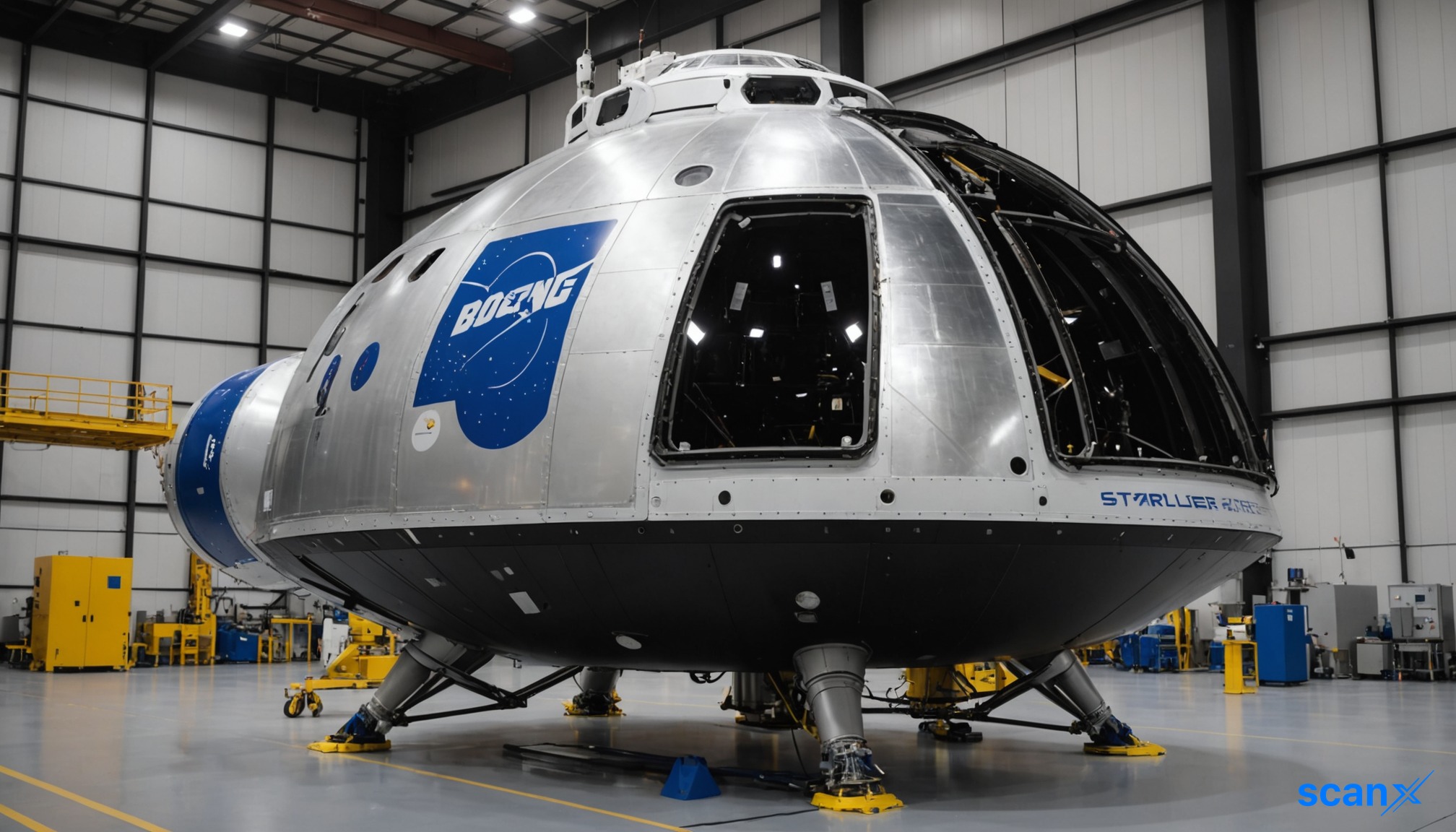

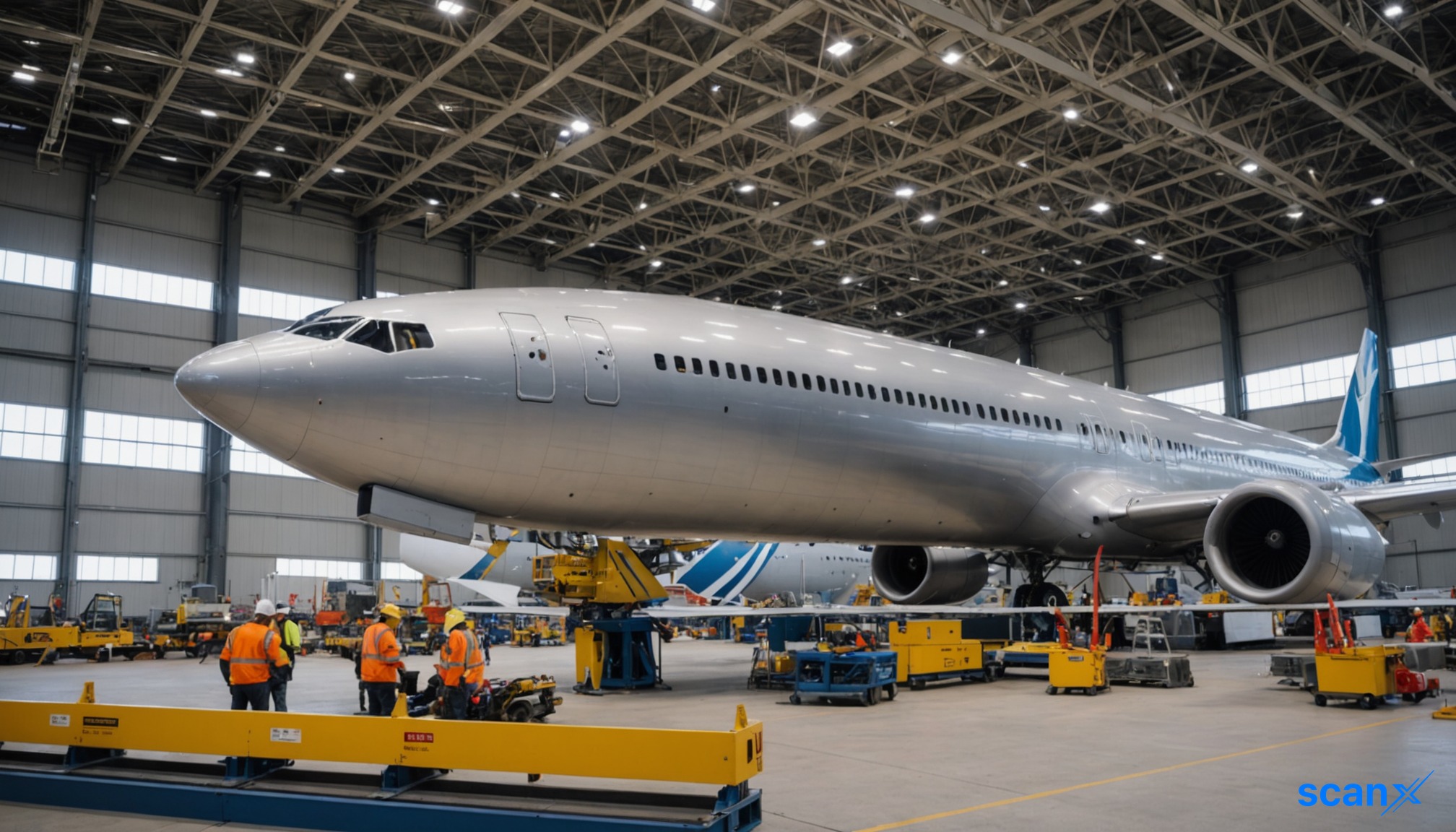
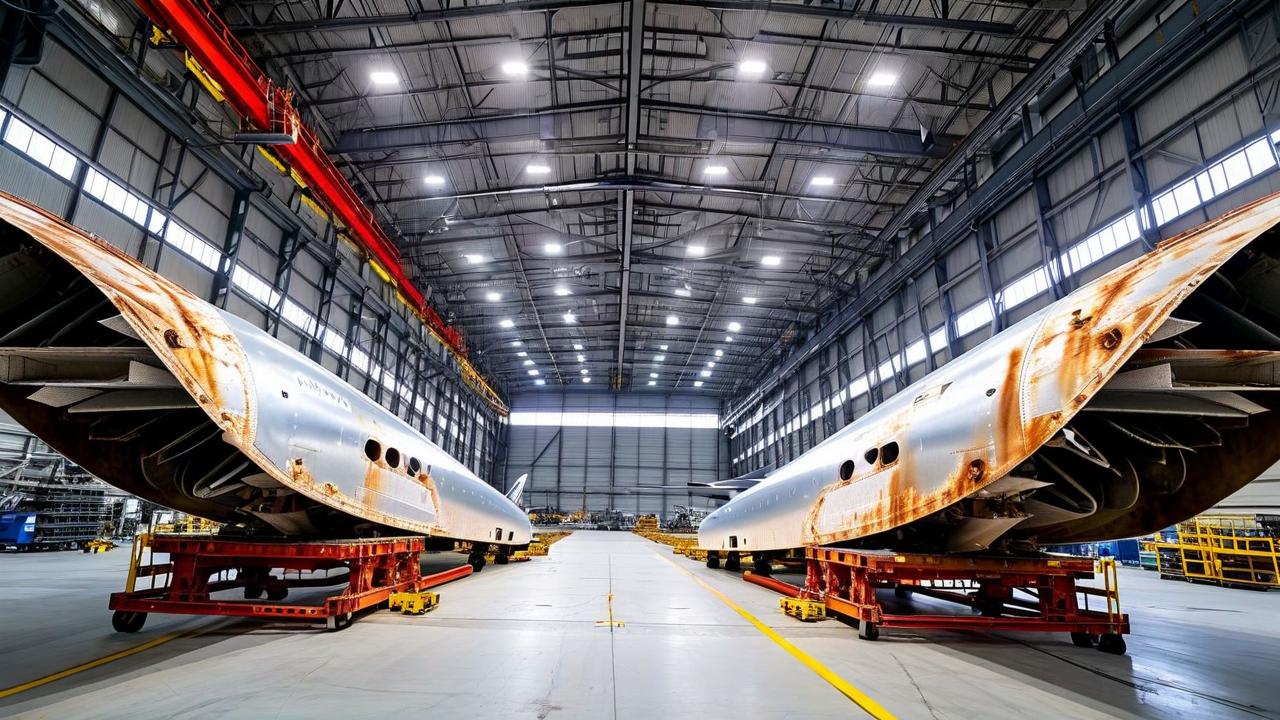
*this image is generated using AI for illustrative purposes only.
NASA Administrator Jared Isaacman endorsed Boeing Co. (NYSE: BA) Starliner as the fastest path to preserving reliable crewed access to low Earth orbit. The agency plans an uncrewed cargo mission, Starliner-1, as early as December 2026 or January 2027, followed by the first post-mishap crewed flight, Starliner-2, in 2028.
This decision follows the 2024 Crew Flight Test mishap, which resulted in astronauts Butch Wilmore and Suni Williams returning aboard SpaceX Crew-9 in March 2025 after 286 days in space. NASA classified the episode as a Type A mishap, its highest-level classification. Isaacman stated that given the extensive history and taxpayer investment, reviving the capsule remains critical despite ongoing certification hurdles.
Certification and Technical Hurdles
NASA and Boeing face substantial work to certify the vehicle for human flight. The agency’s investigation into the 2024 test produced 61 recommendations, finding that service-module thrusters operated outside their engineering qualification. Boeing has implemented thermal modifications and addressed helium leaks, while both agencies plan an additional thruster-valve redesign before astronauts return.
The comeback is expected to cost NASA another $359 million for upgrades and rocket certification. Additionally, NASA will work with Boeing and United Launch Alliance to certify the Vulcan rocket after Atlas V retires.
Strategic Context and SpaceX Reliance
NASA maintains a strategy of two independent U.S. crew systems. While Boeing works to restore Starliner, the agency recently added three Crew Dragon missions worth $946 million to Space Exploration Technologies Corp. (NASDAQ: SPCX). This brings SpaceX’s Commercial Crew total to 17 operational missions and $5.92 billion through 2030.
Isaacman noted that SpaceX is eventually shifting focus from Dragon to Starship, making Starliner’s viability crucial for redundancy. The dynamic has already shifted additional crew missions toward SpaceX as Boeing works through delays.
What the Numbers Show
The financial commitment highlights the tension between sunk costs and future utility. NASA’s additional $359 million investment in Starliner contrasts sharply with the $946 million awarded to SpaceX for just three new missions. This disparity underscores that while Starliner offers strategic redundancy against SpaceX’s dominance, it currently requires disproportionate capital for certification compared to the incremental cost of expanding the proven Crew Dragon fleet. The target of up to five crewed missions for Boeing remains contingent on successful technical remediation of the thruster and helium issues identified in the Type A mishap report.

How might the $359 million Starliner certification cost impact Boeing's remaining Commercial Crew contract value and overall profitability?
What specific regulatory or technical milestones must be met by late 2026 to ensure the Starliner-1 uncrewed mission stays on schedule?
Could SpaceX's accelerated transition to Starship create a capability gap that forces NASA to extend reliance on Crew Dragon beyond 2030?
 17
17





 Create Custom Screeners
  Access 200+ Pre-built Filters
  Use 50+ Readymade Screener





