

Boeing shares fall 4.5% as production bottlenecks overshadow Korean Air order


- Boeing shares fell 4.5% as CEO Kelly Ortberg cited wing production bottlenecks delaying 737 MAX stabilization at 47 jets/month
- Company secured a record $36.2 billion order for 103 jets from Korean Air, including 787-10s, 737-10s, and 777 variants
- Flight testing for the 737 MAX 10 is complete, with certification expected soon
- First landing gear exchange with American Airlines completed, aiming to reduce aircraft-on-ground risk
- Stock trades near recent lows of $197.45, maintaining a bearish death cross technical pattern


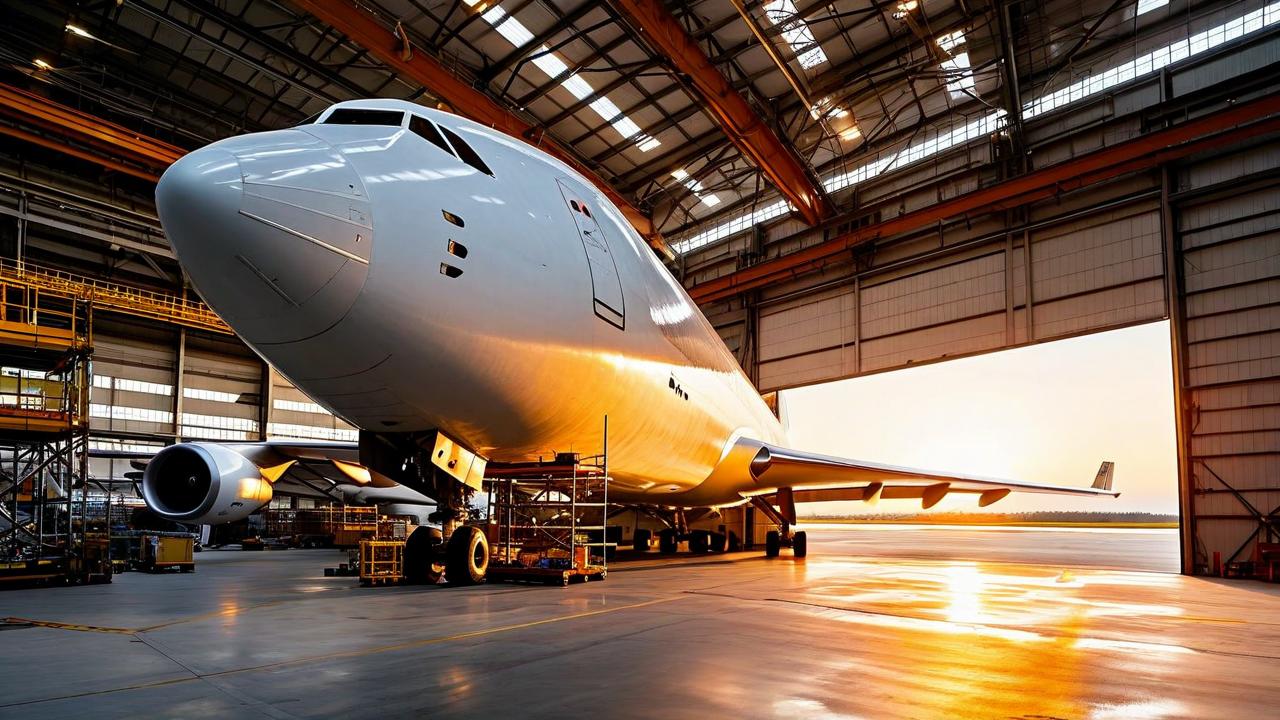
*this image is generated using AI for illustrative purposes only.
Boeing Co. (NYSE: BA) shares fell 4.5% after CEO Kelly Ortberg cited production bottlenecks, dampening sentiment despite a record aircraft order from Korean Air and progress on 737 MAX certification.
The stock’s decline extended its year-to-date loss to roughly 7%, marking its largest single-day drop since May. Investors reacted negatively to comments made at Morgan Stanley’s Laguna Conference regarding delays in stabilizing 737 MAX production.
Production Challenges Weigh on Stock
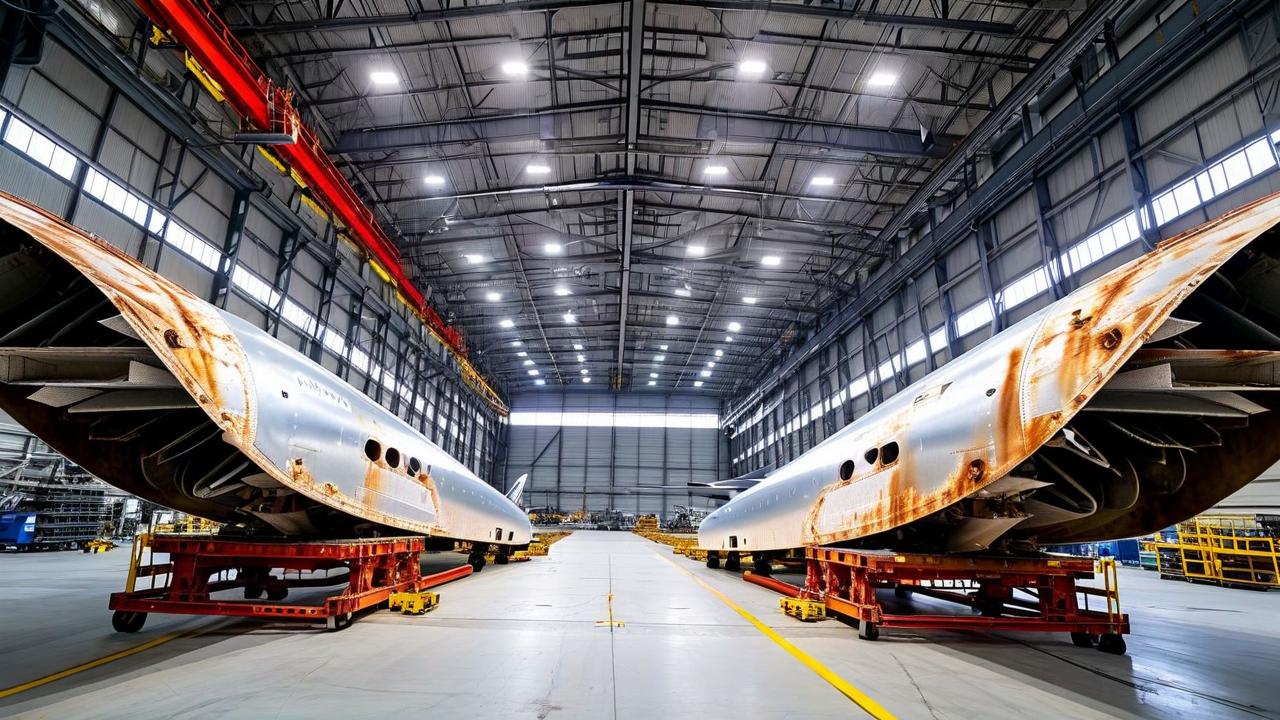
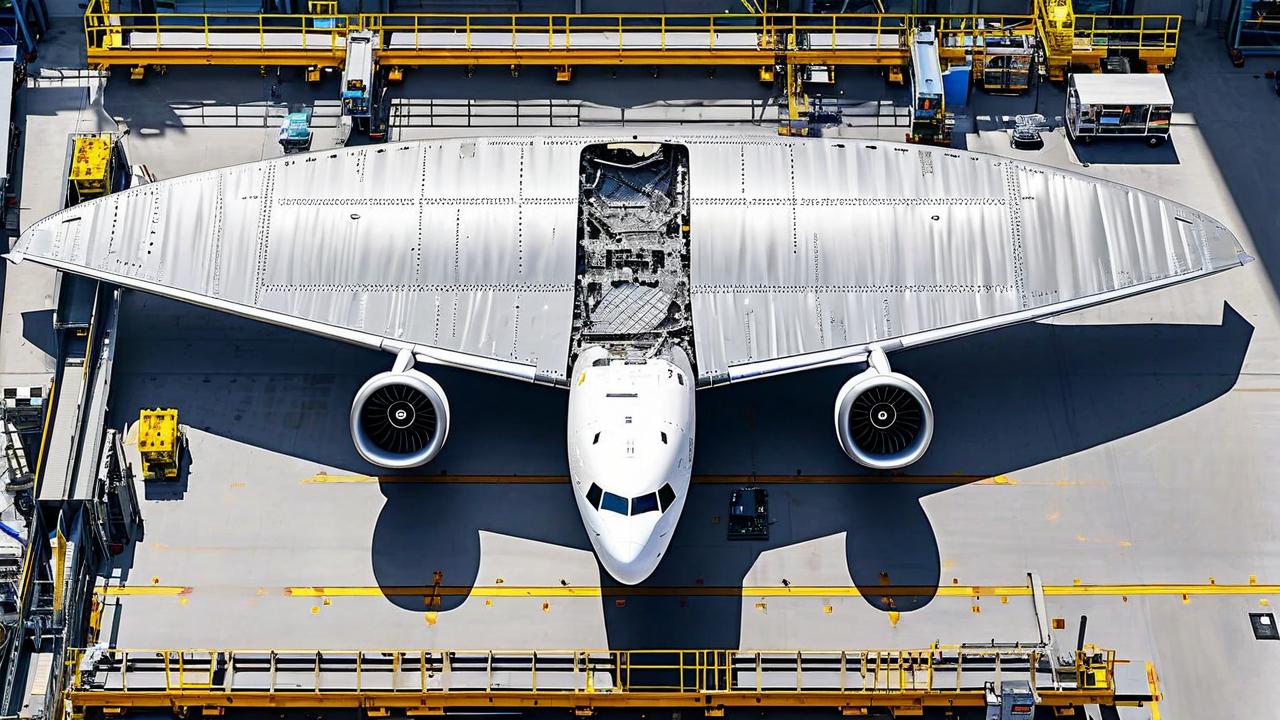
Ortberg stated that stabilizing 737 MAX production at 47 jets per month is taking longer than expected due to wing production bottlenecks at the Renton, Washington factory. Shares fell as much as 6% intraday before closing lower.
At the time of publication, Boeing shares were trading 0.23% higher at $197.45, near recent lows. The stock trades below its 50-day simple moving average (SMA) of $217.46 and 200-day SMA of $221.14. The 50-day SMA remains below the 200-day SMA, maintaining a bearish "death cross" formed in September.
Record Order From Korean Air
On September 16, Boeing finalized a record order for 103 jets with Korean Air, completing the carrier’s August 2025 procurement commitment. The deal, valued at $36.2 billion at list prices, underscores strengthened industrial ties between the US and South Korea.
The agreement includes a mix of wide-body and narrow-body aircraft to support fleet modernization plans. Boeing Commercial Airplanes President and CEO Stephanie Pope and Korean Air Chairman and CEO Walter Cho announced the deal in Seoul.
| Aircraft Type | Quantity |
|---|---|
| 787-10 Dreamliners | 25 |
| 737-10s | 50 |
| 777-9s | 20 |
| 777-8 Freighters | 8 |
Certification And Maintenance Progress
Boeing reported significant operational milestones alongside the order news. On September 14, an executive confirmed that all flight testing for the 737 MAX 10 has been completed, with certification expected "very soon."
Additionally, Boeing and American Airlines announced the completion of their first landing gear exchange for the 737 MAX. The companies stated this milestone confirms the program’s effectiveness and quality standards. The global exchange availability aims to reduce aircraft-on-ground risk and improve maintenance turnaround.
Analyst Sentiment And ETF Exposure
Analysts maintain a Buy consensus rating with an average price forecast of $273.13. Recent actions include Argus Research upgrading to Buy with a $265 target, Tigress Financial setting a $305 forecast, and BNP Paribas upgrading to Outperform with a $300 target.
Momentum indicators show improvement, with the MACD above its signal line and a positive histogram, suggesting easing selling pressure. Traders may watch $215.50 as near-term resistance and $205.50 as support.
Boeing holds significant weightings in aerospace-focused exchange-traded funds:
- Corgi Aerospace & Commercial Aviation ETF: 4.21%
- Invesco Aerospace & Defense ETF: 7.15%
- iShares U.S. Aerospace & Defense ETF: 9.50%

How might the persistent wing production bottlenecks at the Renton factory impact Boeing's ability to meet delivery schedules for the new $36.2 billion Korean Air order?
What specific supply chain or labor interventions is CEO Kelly Ortberg planning to implement to accelerate the stabilization of 737 MAX production to 47 jets per month?
Could the recent completion of 737 MAX 10 flight testing and landing gear exchanges signal a turning point in restoring airline confidence and accelerating certification timelines?
 15
15





 Create Custom Screeners
  Access 200+ Pre-built Filters
  Use 50+ Readymade Screener





