

Boeing CEO tempers China order hopes, cites wing bottleneck for 737 ramp


- Boeing CEO Kelly Ortberg clarified that no 200-plane order was received from China, with purchases expected incrementally.
- Wing production remains the main bottleneck for the 737, which has reached but not stabilized at 47 aircraft per month.
- The 777X faces certification delays due to GE Aerospace's engine mid-seal plan, though 2027 delivery targets remain unchanged.
- CFO Jay Malave reaffirmed the 2026 free cash flow forecast of $1 billion to $3 billion, noting reduced likelihood of exceeding the midpoint.
- Boeing shares traded higher in premarket but remain below key moving averages, with $215.50 as resistance and $204 as support.

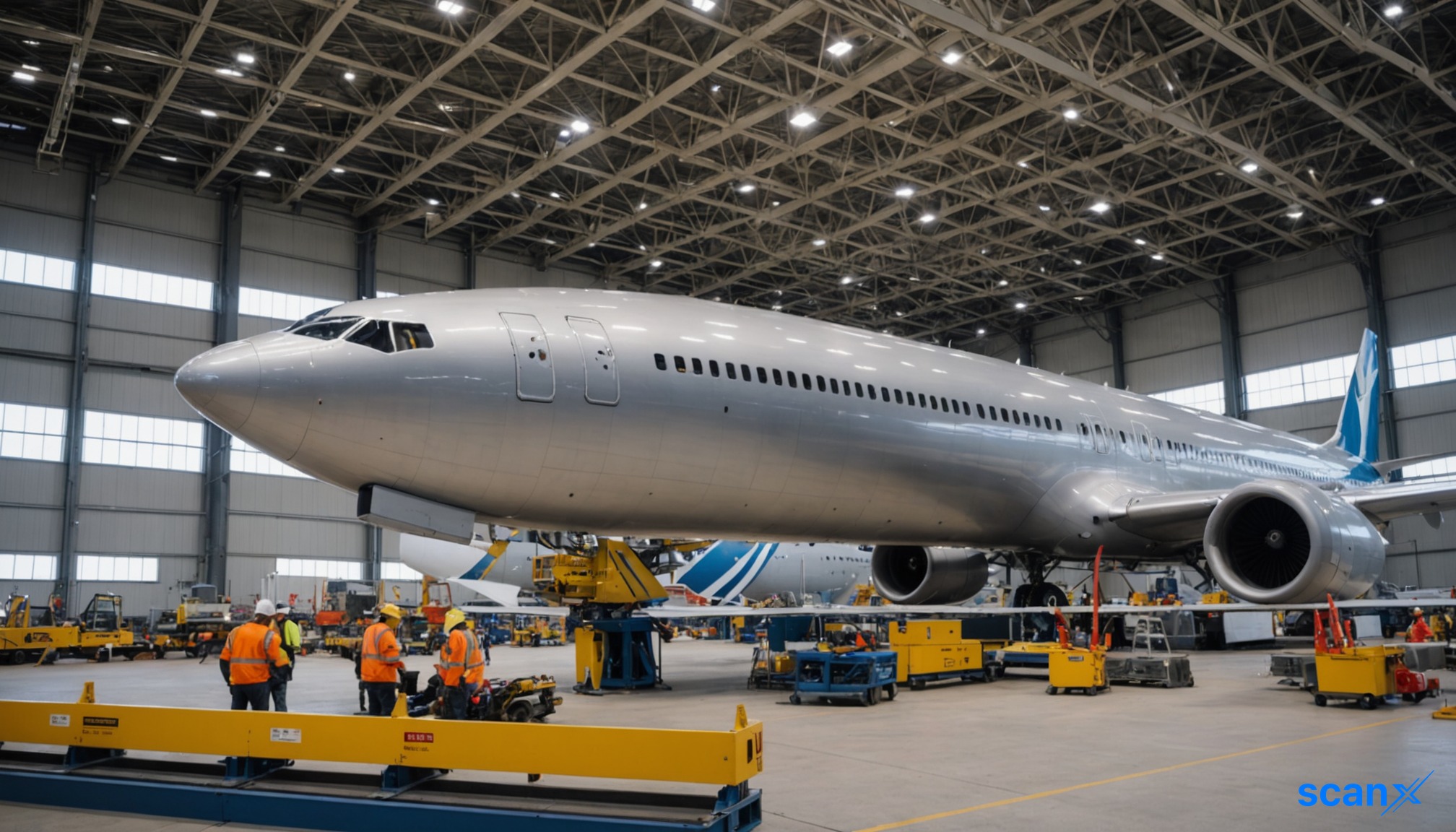

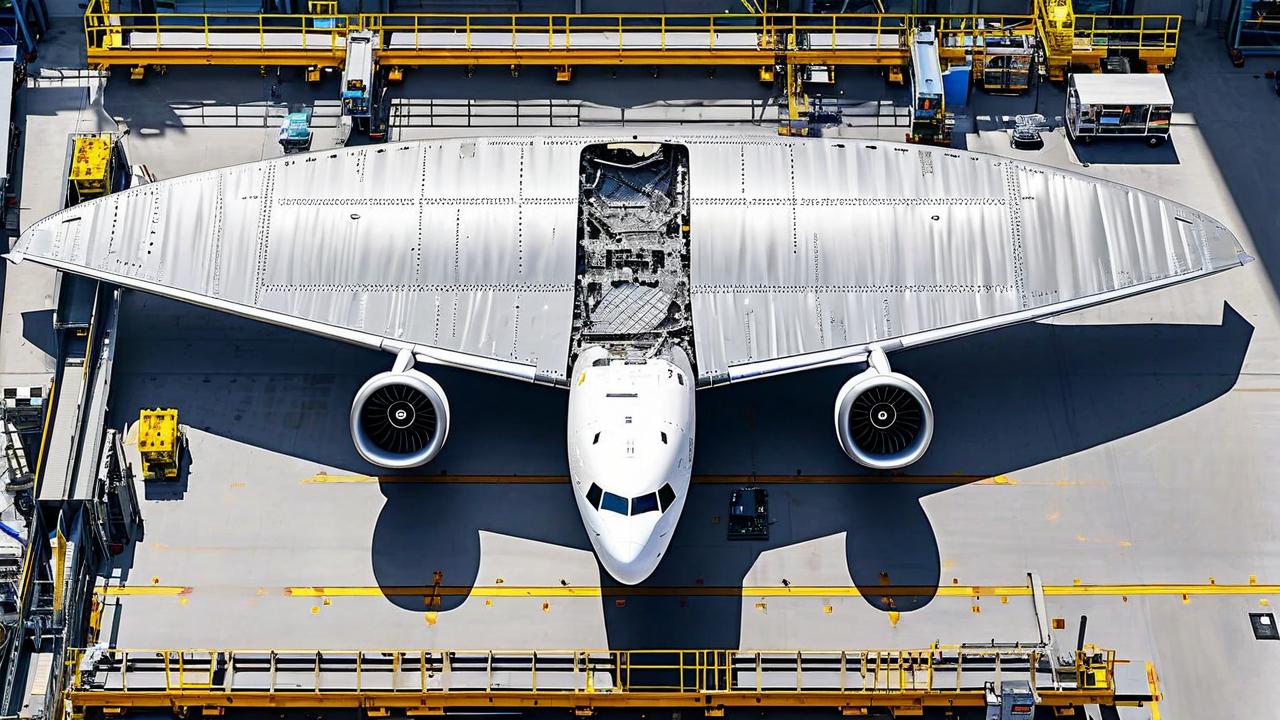
*this image is generated using AI for illustrative purposes only.
Boeing (NYSE: BA) shares rose in premarket trading as investors weighed updates on production constraints and certification timelines. CEO Kelly Ortberg clarified that the company did not receive a large aircraft order from China earlier this year, tempering market expectations.
Production and Certification Updates
Wing production remains the primary bottleneck for Boeing’s 737 program. The company has reached a production rate of 47 aircraft per month but has not yet stabilized at that level. While the broader supply chain is in good shape, the Renton facility continues to constrain output.
Certification progress varies across programs:
- The 737 MAX 10 is nearing certification, with flight testing complete. This model represents roughly 30% of Boeing’s 737 backlog.
- The 777X faces delays pending GE Aerospace’s engine mid-seal certification plan. ETOPS testing cannot begin until this is resolved, with some testing potentially spilling into next year. Boeing maintains its target for 2027 deliveries.
- Engine delivery performance is also slowing the ramp of the 787 from eight to 10 aircraft per month, with improvements expected closer to year-end.
China Orders and Labor Risks
Ortberg stated that Chinese officials indicated plans to move forward with purchases, but orders will emerge incrementally and be announced by individual airlines rather than as a single large block. A potential strike by the SPEEA union could halt the 777X certification program and disrupt 737 production if a new contract is not reached before the current one expires on Oct. 6.
Financial Outlook and Technicals
CFO Jay Malave reaffirmed the 2026 free cash flow forecast of $1 billion to $3 billion, with the framework centered around $2 billion. However, slower-than-expected production ramps for the 737 and 787 through year-end make results above the midpoint less likely than previously anticipated.
Technically, Boeing stock trades below key moving averages. At $204.25, it sits 2.8% below its 20-day SMA of $210.21 and 6% below its 50-day SMA of $217.30. The $215.50 level remains key resistance, while $204 serves as support.
What the Numbers Show
The divergence between the reaffirmed free cash flow guidance and the lowered probability of exceeding the midpoint highlights the sensitivity of Boeing’s liquidity to production execution. With wing and engine bottlenecks persisting through year-end, the operational leverage required to push cash flow toward the upper end of the $1 billion to $3 billion range is currently constrained by supply chain realities rather than demand.
| Metric | Value | Status |
|---|---|---|
| 737 Production Rate | 47 per month | Not yet stable |
| 787 Target Ramp | 10 per month | Delayed to year-end |
| 737 MAX 10 Backlog Share | 30% | Certification near |
| 2026 FCF Forecast | $1B - $3B | Midpoint focus |
| Current Stock Price | $204.25 | Below 50-day SMA |
Analysts maintain a Buy consensus with an average price forecast of $273.13. Recent upgrades include Argus Research ($265), Tigress Financial ($305), and BNP Paribas ($300).

How might a potential SPEEA union strike before October 6 impact Boeing's ability to meet its 2026 free cash flow guidance?
What are the downstream financial implications for Boeing if the 777X certification delays push ETOPS testing into next year?
Could the incremental nature of anticipated Chinese orders significantly alter Boeing's revenue trajectory compared to a single large block order?
 16
16










 Create Custom Screeners
  Access 200+ Pre-built Filters
  Use 50+ Readymade Screener





