

NTSB says Amazon Boeing pilots considered aborting landing before Miami crash


- NTSB says Amazon Boeing pilots considered aborting landing before crash
- Flight data shows go-around thrust applied but no speed brakes deployed
- Captain had 7,145 hours; First Officer had 2,655 hours of flight time
- Five people killed when plane overshot runway by 1,300 feet in Miami
- Boeing recently paid $3.1 million fine for FAA safety violations

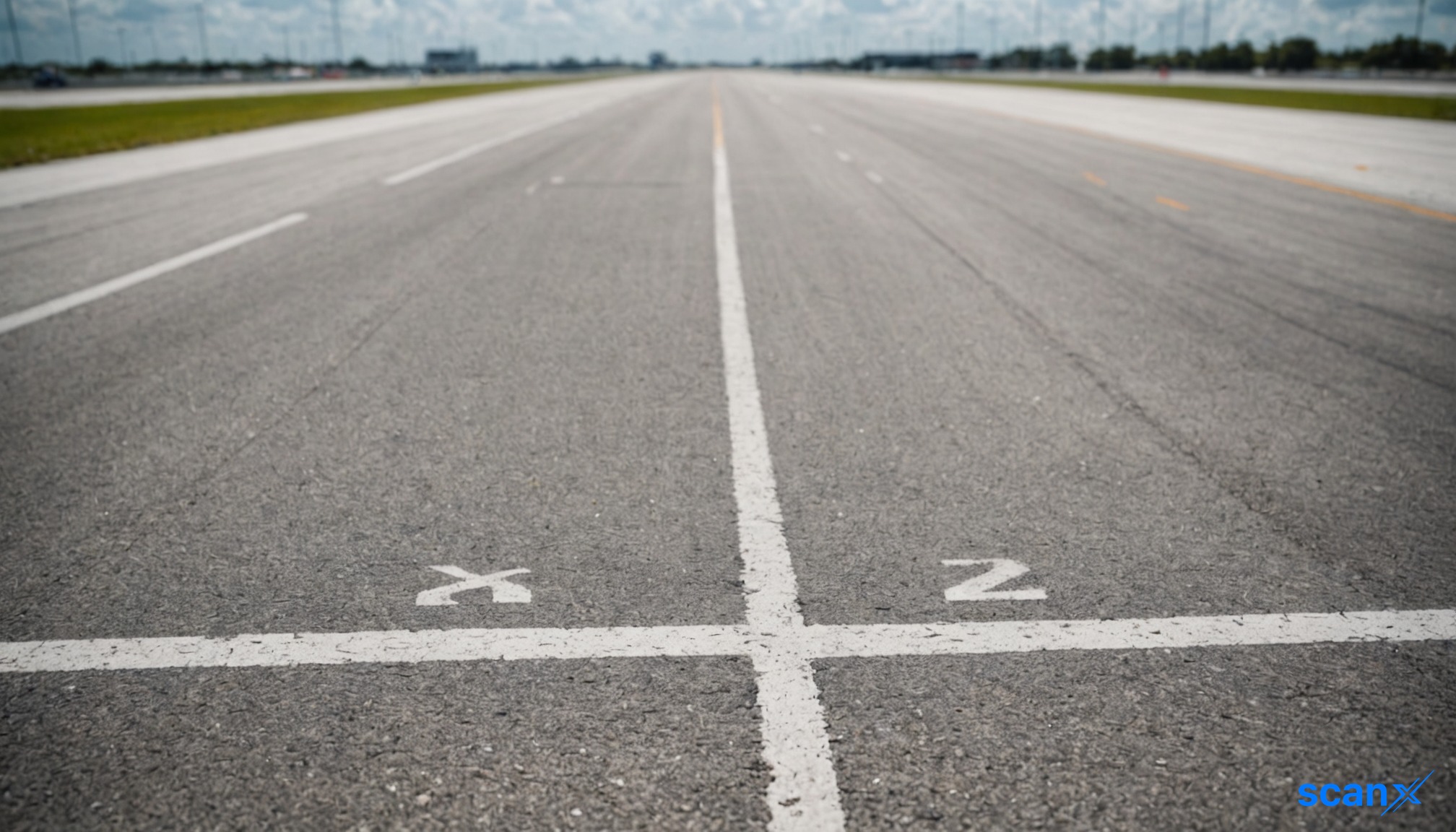

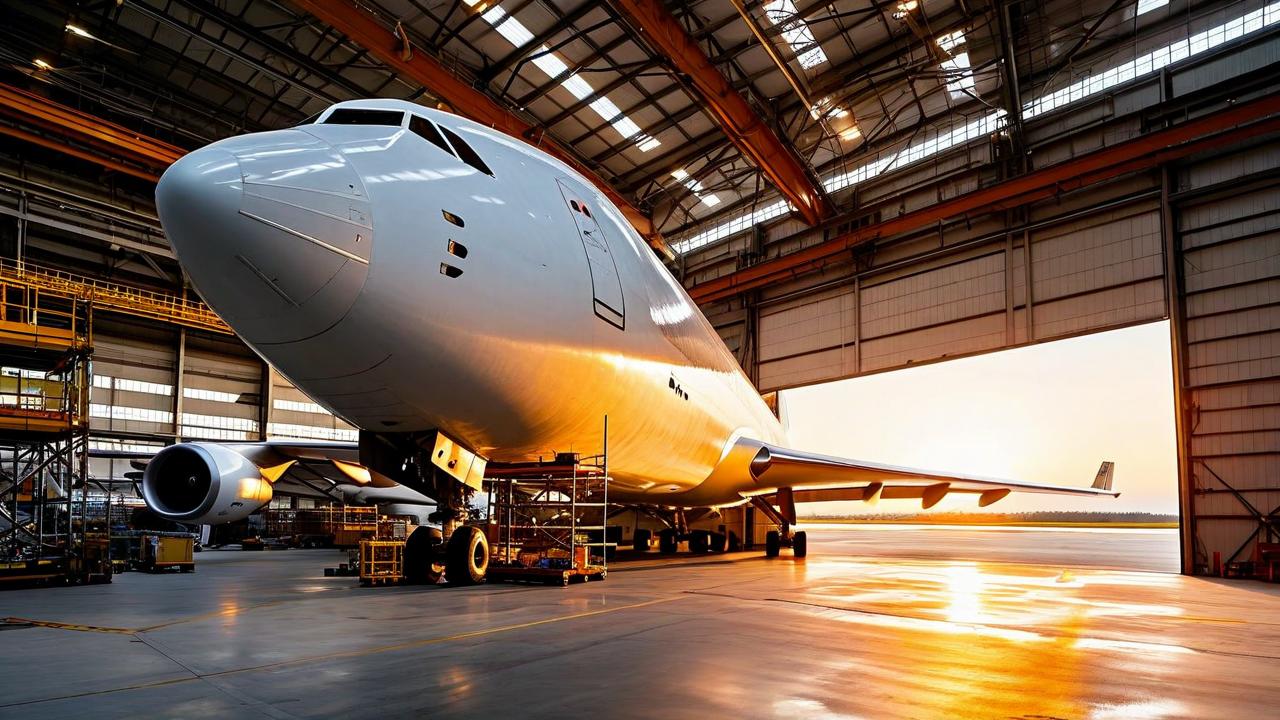
*this image is generated using AI for illustrative purposes only.
The National Transportation Safety Board (NTSB) stated that pilots flying an Amazon.com Inc. (NASDAQ: AMZN) cargo plane operated by Boeing Co. (NYSE: BA) appeared to consider aborting their landing before the aircraft overran the runway at Miami International Airport on Sunday, killing five people.
Flight Data and Timeline
During a Tuesday press briefing, NTSB Chair Jennifer Homendy revealed details from the onboard voice recording and flight data. The Boeing 767-300, operated by 21Air LLC, arrived from San Juan, Puerto Rico.
Key data points from the recording include:
- 30 seconds before end: Nose and right main landing gear touched down at a ground speed of 158 knots (approx. 181 mph).
- Brake application: Brakes were applied when ground speed was 146 knots (approx. 168 mph).
- 19 seconds before end: Left main landing gear touched down at 134 knots (154 mph).
- 15 seconds before end: Brakes were released at 120 knots (138 mph), and throttles increased to values consistent with go-around thrust.
- 11 seconds before end: Brakes were reapplied.
- End of recording: Final ground speed was 65 knots (74 mph).
Homendy noted that there was no indication in the recorded data that the aircraft’s speed brakes or thrust reversers were deployed. Go-around thrust refers to increased engine power used to discontinue a landing and climb away from the runway.
Pilot Experience and Investigation
The NTSB confirmed it will interview both pilots involved. Homendy disclosed their flight experience:
| Role | Age | Type Rating Issued | Total Flight Hours |
|---|---|---|---|
| Captain | 55 | May this year | 7,145 hours |
| First Officer | 37 | April last year | 2,655 hours |
The investigation scope remains broad, covering operations, human performance, crew training, 21Air LLC policies, its relationship with Amazon, FAA oversight, air traffic control, and aircraft components. The agency will remain in Miami for at least a week to collect perishable evidence.
Incident Context
The aircraft traveled approximately 1,300 feet past the paved runway surface, striking navigational aids, a Ford Motor Co. (NYSE: F) van with seven occupants, and a Toyota Motor Corp (NYSE: TM) Corolla. Five individuals died in the collision.
Boeing recently paid $3.1 million in fines related to safety breaches and undermining FAA safety personnel independence. A spokesperson for Boeing offered condolences and confirmed support for the investigation, noting the specific unit was first delivered as a passenger airplane in 1994 and later converted to a freighter.

How might the NTSB's focus on crew training and 21Air LLC's operational policies impact Amazon's future logistics partnerships and insurance premiums?
Could the revelation that speed brakes and thrust reversers were not deployed lead to new FAA regulations regarding automated safety interventions during high-speed landings?
What are the potential long-term reputational and financial risks for Boeing given this incident occurs shortly after significant fines for safety breaches?
 18
18










 Create Custom Screeners
  Access 200+ Pre-built Filters
  Use 50+ Readymade Screener





