Apple HomeView launch may drive iCloud+ subscription growth, says JPMorgan

scanx
Reviewed by
Suketu GScanX News Team
Key Highlights
  • Apple launched the $299 HomeView smart display to integrate household devices with Siri.
  • JPMorgan analysts view the launch as a driver for recurring iCloud+ subscription revenue rather than just hardware sales.
  • The new Home Collection includes cameras starting at $199.95 and smart locks at $349.95, available from December.
  • Investor Ross Gerber criticized the need for another screen, while Mark Gurman deemed the HomeView price reasonable.
powered bylight_fuzz_icon
53509674

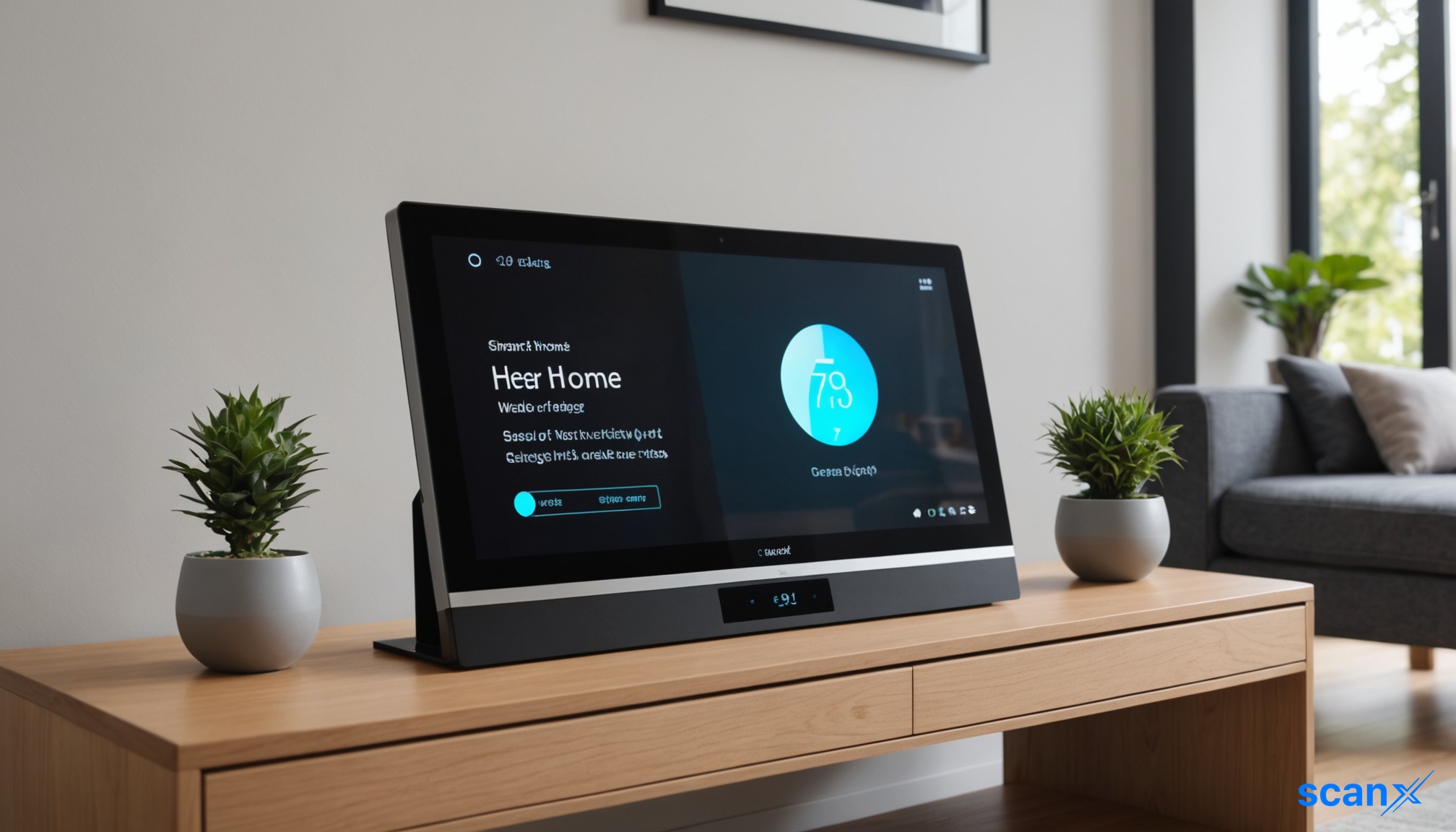
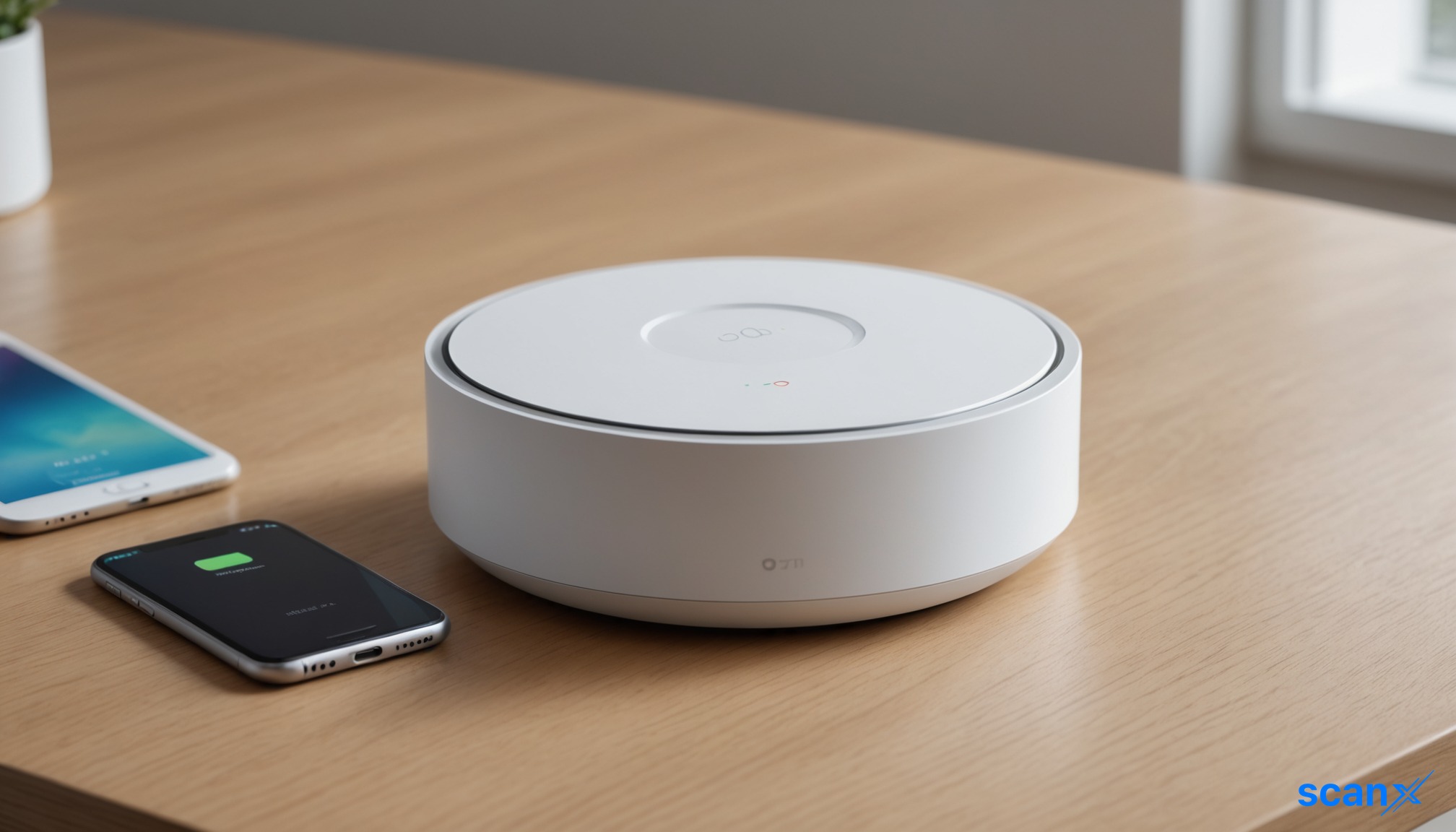
*this image is generated using AI for illustrative purposes only.

Apple Inc. launched its new HomeView smart display at $299 on Tuesday, aiming to integrate household devices with its Siri assistant. While the announcement drew immediate criticism from Gerber Kawasaki CEO Ross Gerber, who questioned the need for another screen in consumers' homes, JPMorgan analysts see a larger financial opportunity in recurring Services revenue.

The device, scheduled to ship next month, allows users to manage connected products such as cameras and smart locks. It personalizes Siri for up to six people. Apple also introduced updates to the HomePod and Apple TV, alongside accessories developed with LG and Schneider Electric.

Subscription opportunity over hardware sales

JPMorgan analyst Samik Chatterjee and his team noted that the "Welcome Home" launch expands Apple's ability to monetize existing households through additional hardware purchases and recurring Services revenue. The subscription opportunity centers on Apple's new Home Collection, which includes cameras, a video doorbell, smart locks, thermostats and room sensors. Availability begins in December, with select accessories following in early 2027. Cameras start at $199.95, while the smart lock starts at $349.95.

JPMorgan identifies camera recording, AI-generated video descriptions and footage search on supported iCloud+ plans as potential drivers of subscription additions and upgrades. Customers buying connected cameras may also want cloud-based video history and AI-enabled monitoring, making paid iCloud+ plans more valuable. This creates a different revenue opportunity from hardware sales; a device generates revenue when purchased, while a subscription produces recurring payments over time.

Investor skepticism over pricing and utility

Ross Gerber expressed strong disapproval of the product launch. "Thanks but not thanks Apple. Last thing I want in my home…. Another screen?" he wrote on X. His comment reflects a segment of investors concerned about market saturation in the smart home category.

Mark Gurman, a Bloomberg columnist, offered a more nuanced view. He described the $299 starting price for HomeView as "solid" and "reasonable." He also deemed the second-generation HomePod mini’s $149 price acceptable. However, Gurman criticized the reported $299 price for the Apple TV, calling it "a huge stretch" and suggesting a cheaper model is essential.

Execution challenges and market context

The hardware refreshes could support upgrades, but JPMorgan expects the immediate replacement catalyst for Apple TV and HomePod to be modest. Software availability also limits the initial opportunity: HomeView will not launch in the European Union because Siri AI is unavailable there, while certain AI features have usage limits. Additionally, Apple has not disclosed its revenue-sharing arrangements with LG and Schneider Electric, leaving the direct financial contribution from partner-developed accessories unclear.

Apple faces intense competition from established players like Amazon.com Inc., whose Echo speakers and Ring doorbells dominate the connected home market. Alphabet Inc.’s Google and emerging AI firms like OpenAI also pose challenges as artificial intelligence expands beyond chatbots into everyday devices.

Shay Boloor, chief market strategist at Futurum Equities, noted that Apple’s strategy relies on its hardware ecosystem and privacy positioning. This approach aims to keep Siri central to the home as Meta Platforms Inc., Google, and Amazon introduce their own AI assistants.

Market performance and rankings

Apple shares closed up 0.088% at $341.27 on Tuesday. In after-hours trading, the stock slipped 0.27% to $340.35.

Metric Value Change
Closing Price $341.27 +0.088%
After-Hours Price $340.35 -0.27%

According to Benzinga Edge Stock Rankings, Apple ranks in the 97th percentile for Quality. The company exhibits positive price trends across short, medium, and long terms.

Disclaimer: This article is AI-generated using data from ViewTrade. ScanX is not liable for any inaccuracies.

How might the exclusion of HomeView from the EU due to Siri AI restrictions impact Apple's long-term smart home market share in Europe?

What specific revenue-sharing terms with LG and Schneider Electric could significantly alter Apple's gross margins on partner-developed accessories?

Will the $299 price point for the updated Apple TV drive sufficient upgrade volume, or will it accelerate consumer migration to cheaper streaming alternatives?

OpenAI accuses Apple hire of taking 100+ files in legal battle

scanx
Reviewed by
Riya DScanX News Team
Key Highlights
  • OpenAI alleges a former employee transferred over 100 confidential files to Apple
  • Apple denies the allegations, stating no evidence was found on its systems
  • Apple shares reached an intraday high of $348.15 amid supply chain updates
  • iPhone Duo production estimates raised to approximately 10 million units
powered bylight_fuzz_icon
53476836

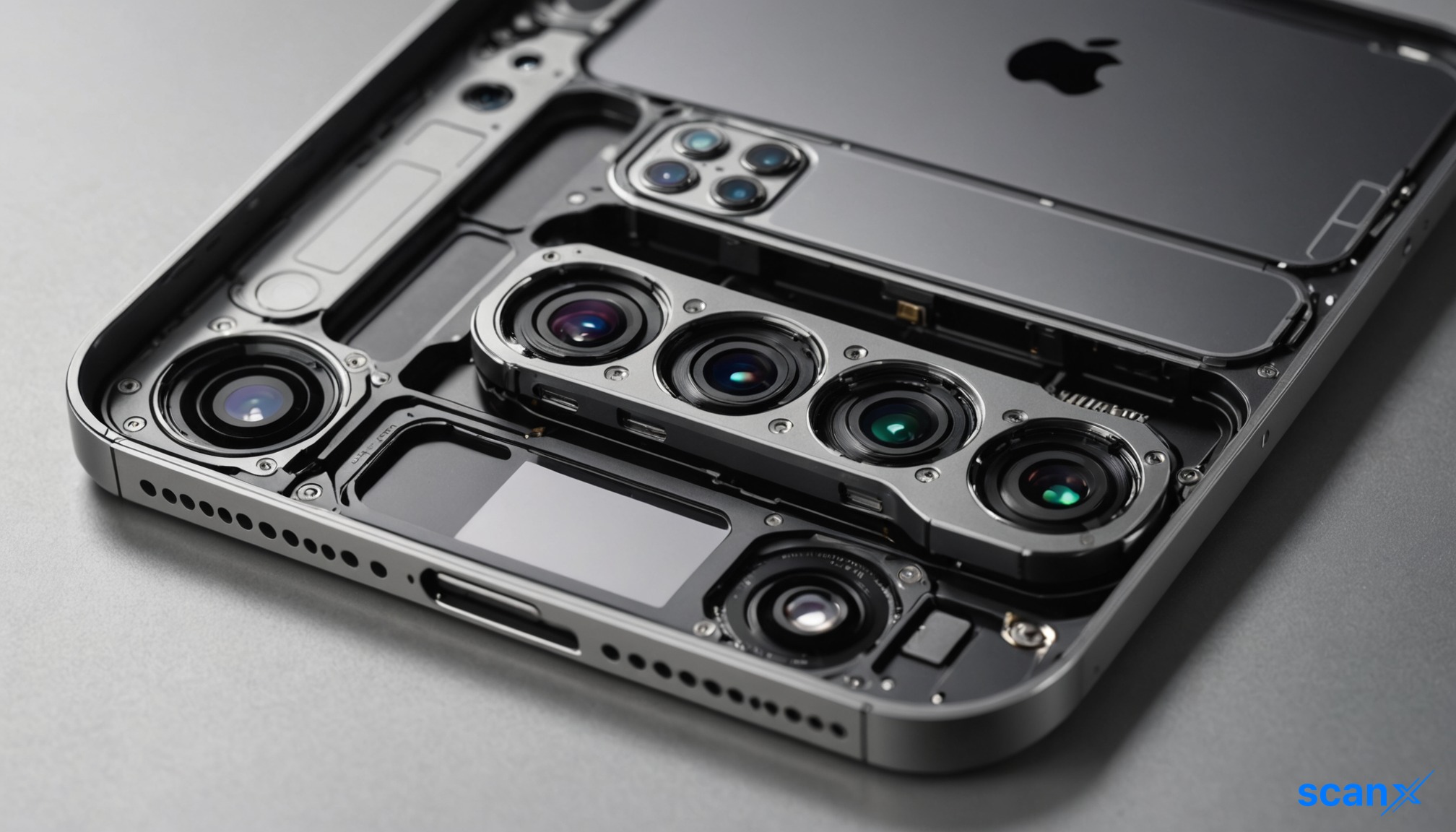
*this image is generated using AI for illustrative purposes only.

Apple Inc shares hit a new all-time high of $348.15 on Tuesday, driven by reports of increased demand for its upcoming foldable smartphone and a new home hardware lineup. The stock also benefited from developments in its trade-secret dispute with OpenAI.

The company is reportedly increasing supply chain orders for the iPhone Duo by 30%, according to a report from Securities Times cited by 9to5Mac. This adjustment raises the initial production estimate from six to seven million units to closer to 10 million units. Preorders for the device begin on October 16, 2026. Concurrently, Apple introduced the Home View, a $299 display designed to connect home accessories, which Deepwater Asset Management’s Gene Munster estimates will sell around four million units.

Supply chain adjustments and demand signals

This upward revision follows recent reports that Apple cut component orders for the iPhone 18 Pro and Pro Max by 15% to 20%. The divergence suggests strong consumer interest in the foldable format despite softer demand for standard premium models. However, MoffettNathanson analyst Craig Moffett noted that Apple has recently reaccelerated unit shipments, particularly for the more expensive iPhone 18 Pro and Pro Max models. He emphasized that iPhone demand remains central to the investment case, noting that delivery lead times averaged nine and 15 days, below 13 and 24 days a year earlier, according to Bank of America data.

Home View launch and revenue impact

The Home View is part of a broader ecosystem push that includes a $299 Apple TV with a remote-finding feature and a "Home Collection" of third-party accessories like locks and cameras. Munster projected this launch will add $1.5 billion to the company’s expected $525 billion revenue for fiscal 2027. He characterized this as an "incremental" gain, stating it would add roughly 1% to Apple’s total revenue.

Despite the hardware expansion, Munster cautioned that Apple is overlooking the larger shift toward generative AI. Speaking on the Pressure Points podcast, he argued that consumers face too much "friction" integrating smart home devices. "I don’t think people are quite ready for that," Munster said. "I think they’re ready for a lot of generative AI. I think they’re really ready for bots, for specialized bots." He concluded that the Home View "misses the mark, I think, relative to what the biggest opportunity is in consumer tech, which is around these personalized bots." Craig Moffett similarly noted that Apple is entering the smart-home category later than rivals but said the category could still contribute to growth over time.

Legal developments in OpenAI dispute

Apple persuaded a federal judge in California to require OpenAI to accelerate the production of certain evidence in its trade-secret lawsuit. U.S. District Judge Edward J. Davila said there was a valid risk that important forensic evidence on devices used by former Apple engineers could be destroyed. He pointed to discussions between former employees Chang Liu and Alyssa Peng about wiping Apple-owned devices.

Davila ordered OpenAI to provide forensic images of devices, summaries of certain Apple employee interviews, LINE messages between Liu and Peng, and records describing former Apple employees’ responsibilities at OpenAI. Liu, Peng and former Apple hardware chief Tang Yew Tan must also sit for early depositions. Apple sued OpenAI, Liu and Tan in July, alleging a coordinated effort to take information related to upcoming Apple products. OpenAI has argued that the lawsuit lacks merit.

New filings in the lawsuit reveal further allegations. An OpenAI brief states that an employee who left OpenAI for Apple sent over 100 files regarding an unreleased OpenAI product to personal accounts. The brief also alleges that this employee gave senior Apple leaders a presentation about the unreleased product. Furthermore, the brief specifies that the leaked files include detailed images of unreleased devices, engineering data, supplier information, and manufacturing data about devices. OpenAI states that Apple has not assured it is not in possession of or has not used OpenAI confidential data.

In response, Apple stated it has found no evidence to support OpenAI's allegations. The company said it searched for the one file identified by OpenAI but has not found it on any Apple system. Apple noted that it has strict policies and procedures in place to help ensure that new employees do not use any confidential information from prior employers. Additionally, Apple stated that OpenAI has failed to respond to Apple’s request for more information that would aid the investigation.

Valuation and market performance

Apple stock closed Tuesday near flat at $341.27, after reaching an intraday peak of $348.15. The shares have risen 25.9% year-to-date in 2026. Analysts note that higher component costs are being partially passed on to consumers, which may impact margins in upcoming quarterly results. Benzinga’s Edge Stock Rankings indicate that AAPL maintains a strong price trend in the short, medium, and long terms, with a moderate growth score.

Moffett said Apple’s valuation leaves less room for disappointment, noting that the stock trades at more than 30 times earnings while its earnings growth remains slower than that of other large technology companies. He warned that investors could eventually assign the stock a lower valuation multiple. On Oct. 12, JPMorgan maintained an Overweight rating and raised its price forecast to $360. Morgan Stanley maintained an Overweight rating on Oct. 1 but lowered its price forecast to $355. Needham maintained a Hold rating the same day. The average analyst price forecast stands at $336.19.

Metric Value Context
Intraday High $348.15 New all-time high
Closing Price $341.27 Near flat close
YTD Performance +25.9% Year-to-date 2026
iPhone Duo Orders +30% Supply chain increase
Initial Unit Estimate ~10 million Up from 6-7 million
Home View Est. Sales 4 million Units estimated by Munster
Home View Rev Impact $1.5 billion Added to FY27 revenue

What the numbers show

The simultaneous rise in stock price and iPhone Duo order volumes contrasts with the reported reduction in iPhone 18 Pro component orders. This pattern indicates a potential shift in consumer preference toward new form factors, even as traditional premium segment demand faces headwinds. However, the financial impact of the new Home View hardware appears modest against the backdrop of Apple's massive revenue base. Munster’s estimate of a $1.5 billion addition represents only roughly 1% of expected FY27 revenue, suggesting that while product velocity is increasing, the immediate material impact on top-line growth remains limited compared to the strategic risks he identifies in the generative AI sector. Additionally, the divergence between the rising stock price and the analyst caution regarding valuation multiples (over 30x earnings) highlights a market pricing in future growth that current earnings velocity may not yet support.

Disclaimer: This article is AI-generated using data from ViewTrade. ScanX is not liable for any inaccuracies.

How will the 30% increase in iPhone Duo production orders impact Apple's supply chain capacity and component costs for the upcoming holiday quarter?

Will the alleged exchange of confidential files between former OpenAI and Apple employees lead to broader regulatory scrutiny or stricter IP enforcement across the tech industry?

Can Apple sustain its premium valuation multiple if the $1.5 billion Home View revenue proves insufficient to offset slower growth in its core iPhone segment?

More News on Apple