

Apple hit with $5.7 billion patent verdict over iPhone haptics


- Federal jury awards $5.7 billion in damages to Taction Technology
- Verdict finds Apple infringed two patents related to iPhone haptics
- Jury did not find Apple's infringement to be willful
- Apple plans to challenge the verdict and damages amount

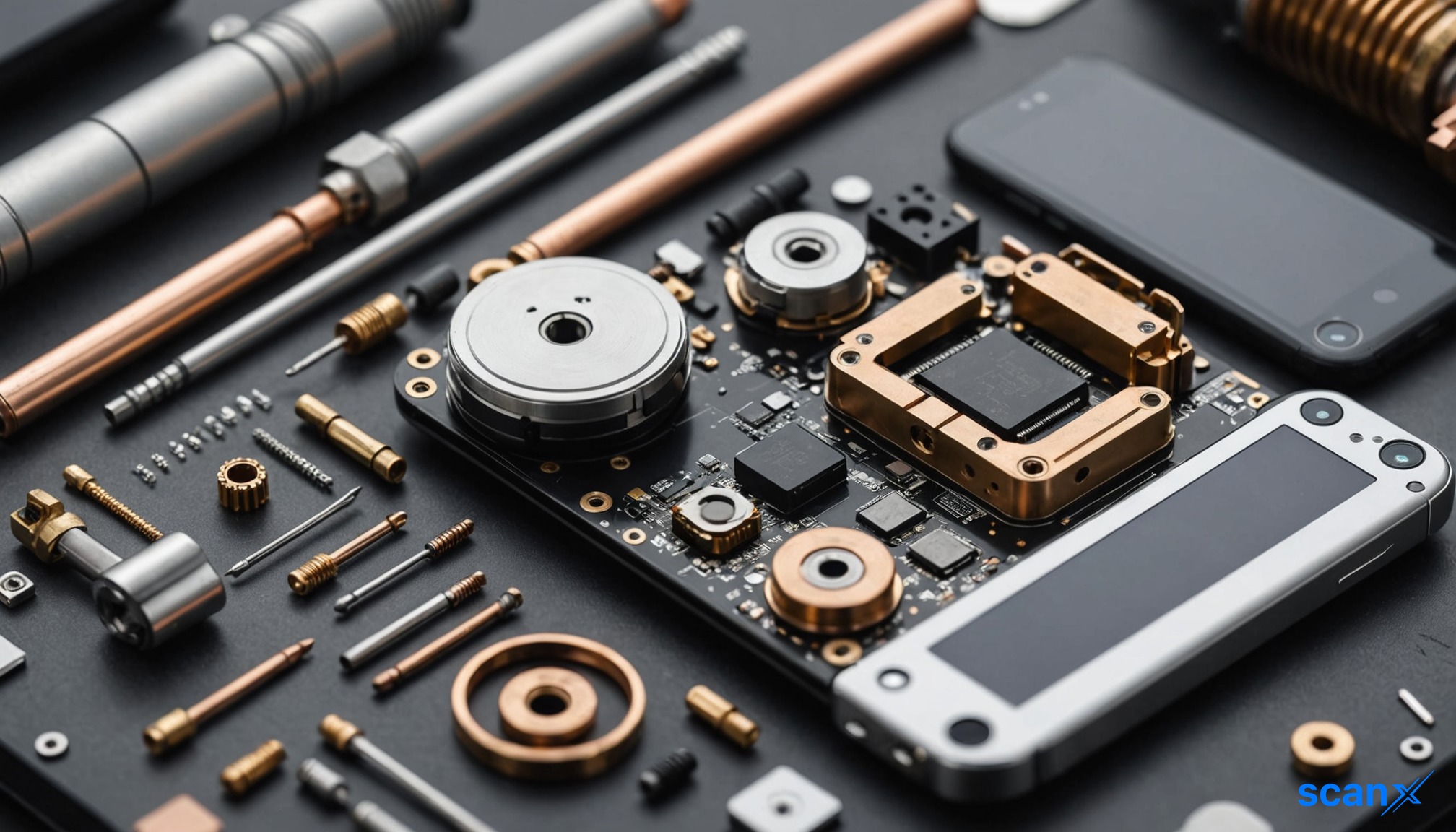

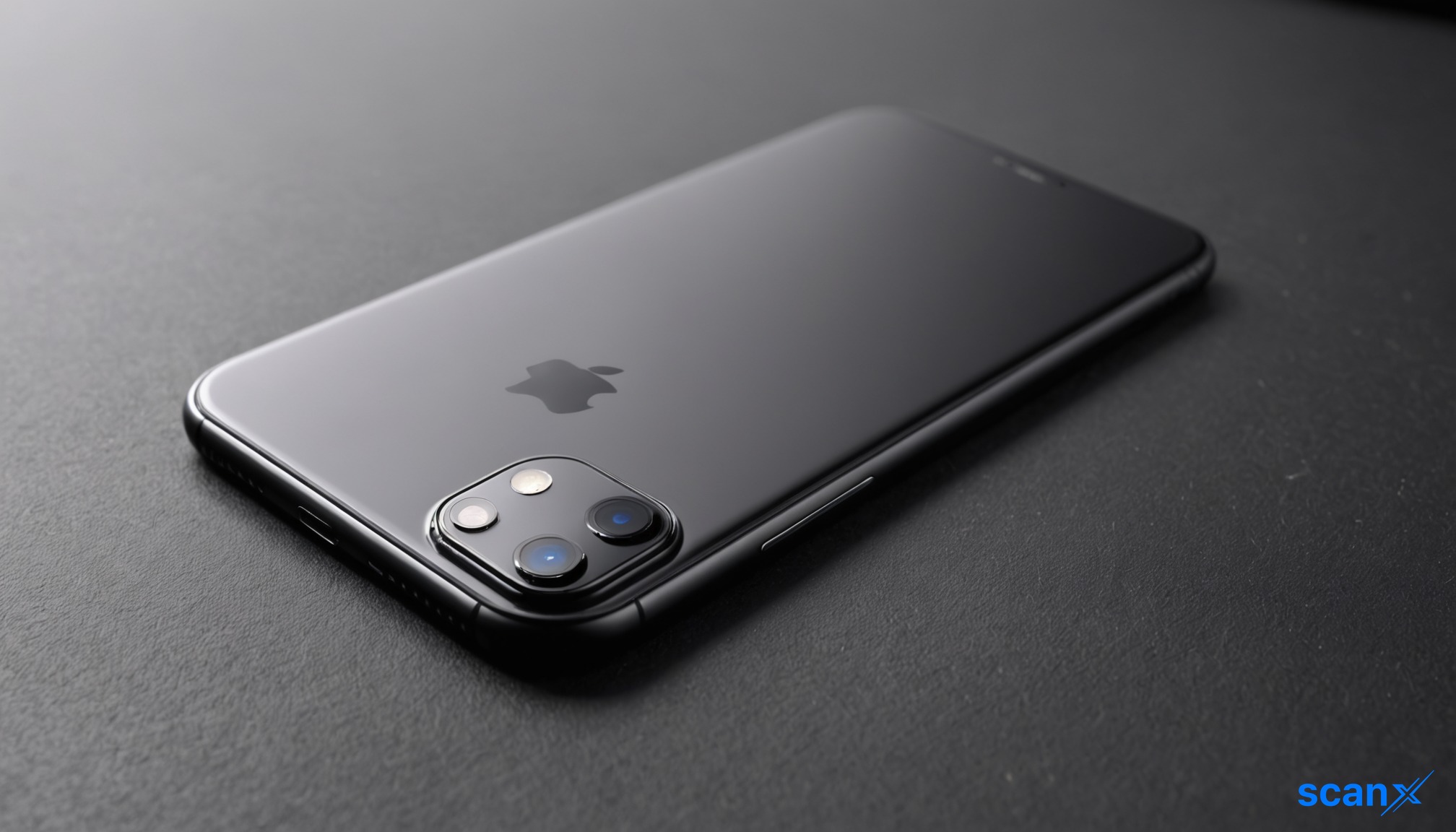
*this image is generated using AI for illustrative purposes only.
Apple Inc. (NYSE: AAPL) faces a $5.7 billion damages award after a federal jury in San Diego found the company infringed two patents held by Taction Technology. The verdict marks one of the largest patent damages awards against a technology company and the largest U.S. patent verdict to date.
The dispute centered on Apple’s Taptic Engine, the hardware component responsible for tactile feedback in devices such as iPhones and Apple Watches. Taction alleged that Apple utilized its vibration-related inventions without a license. The trial began on September 14, with jurors deliberating for two days before returning the verdict on Friday afternoon.
Verdict details and legal context
The jury did not find that Apple’s infringement was willful, a distinction that can impact final damages calculations in post-trial motions. Taction filed the case in 2021 in federal court in Southern California. The company’s lead lawyer, Lance Yang, stated that the jury vindicated Taction’s patent rights after a five-and-a-half-year wait for the trial.
| Metric | Detail |
|---|---|
| Damages Award | $5.7 billion |
| Plaintiff | Taction Technology |
| Defendant | Apple Inc. |
| Patents Involved | Two U.S. patents (haptics) |
| Verdict Date | Friday afternoon |
Apple plans to appeal
Apple issued a statement disputing both the infringement finding and the magnitude of the damages. "While we thank the jury for their consideration, we strongly disagree with today’s verdict and the damages awarded, which are entirely unsupported by the facts," the company said. Apple plans to challenge the outcome through legal channels.
What the numbers show
The $5.7 billion award represents an exceptional outlier in patent litigation history. While the source does not provide Apple’s total revenue or net income for comparison, the sheer scale of the single-case liability highlights significant financial exposure from intellectual property disputes in the consumer electronics sector. The absence of a willfulness finding suggests the damages were calculated based on reasonable royalty rates rather than punitive enhancements, yet the total remains historically high.

How might the non-willful infringement finding influence the likelihood of the appellate court reducing the $5.7 billion damages award?
What are the potential impacts on Apple's stock price and investor sentiment during the prolonged appeal process?
Could this verdict encourage other patent holders to pursue high-stakes litigation against major tech firms for hardware component infringements?
 15






 Access Market Heat-map & Insights
 Create, Save & Share your Screener
 Use 200+ Screening Filters





