

Apple plans premium-only iPhone launch, defers base models to spring 2027


- Apple plans to launch only premium iPhone models this September
- Base iPhone 18, 18e and Air 2 deferred until spring 2027
- Pro shipment share rose from 37% in 2020 to 65% in 2025
- U.S. prices for Pro models expected to rise by $100



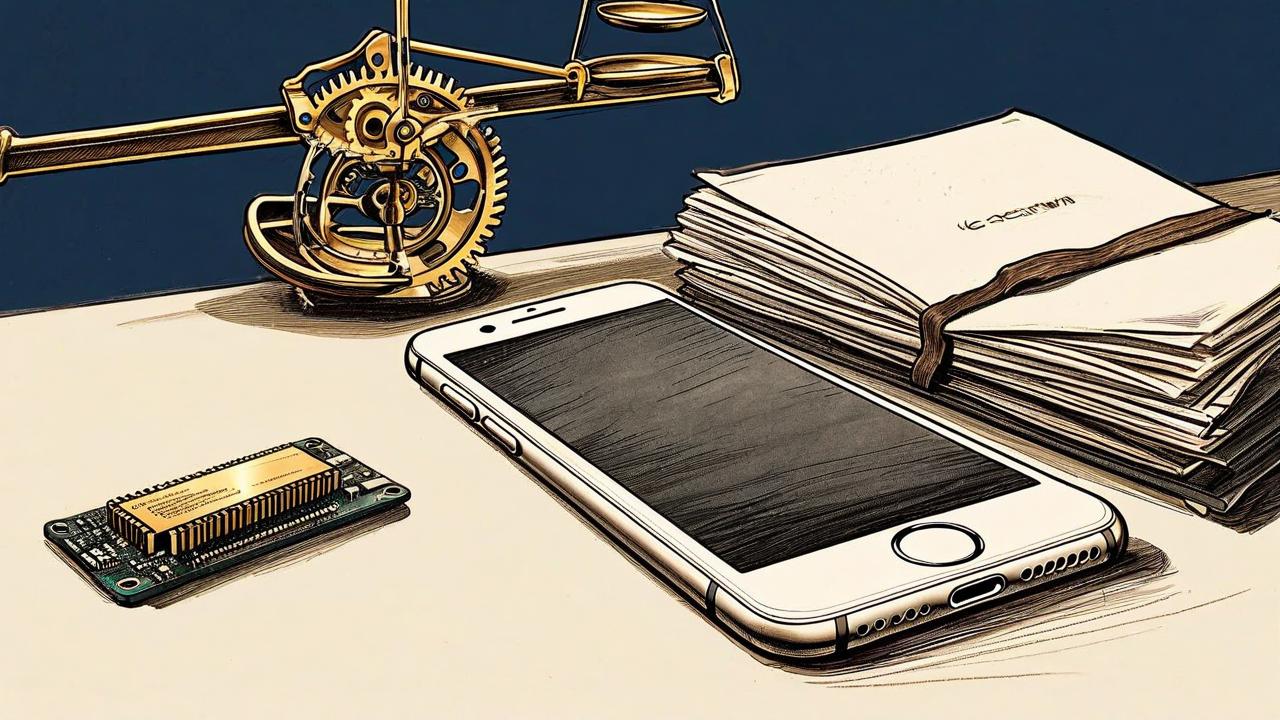
*this image is generated using AI for illustrative purposes only.
Apple Inc (NASDAQ: AAPL) is expected to launch only premium iPhone models this September, excluding its mainstream devices until spring 2027. This marks the first major product launch under CEO John Ternus after Tim Cook moves to executive chairman.
Premium-Only Launch
According to JPMorgan analyst Samik Chatterjee, Apple will likely launch the iPhone 18 Pro, Pro Max and its foldable iPhone Ultra this September. The company is expected to defer the base iPhone 18, 18e and Air 2 until spring 2027.
Rather than relying on a broad portfolio for holiday quarter volumes, Apple will depend disproportionately on premium devices. The approach aims to lift average selling prices but requires convincing buyers who typically choose lower-priced models to trade up instead of waiting.
The Upsell Strategy
JPMorgan notes that premium iPhones have grown as a share of total shipments. Pro models accounted for roughly 37% of shipments in 2020 compared with about 65% in 2025. The firm expects this shift to continue in 2026.
Structural changes have made premium devices more affordable through trade-ins, installment plans and carrier promotions. Apple is also expected to emphasize leasing options via its Klarna partnership. However, JPMorgan expects Apple to raise U.S. prices for Pro and Pro Max models by about $100 to offset higher component costs.
What the Numbers Show
The divergence between rising Pro shipment share and anticipated price hikes highlights a strategic pivot. With Pro models now representing roughly two-thirds of shipments (65% in 2025 vs 37% in 2020), the base model's exclusion removes the entry-level anchor. This suggests Apple is betting that the existing momentum toward premium devices is strong enough to sustain volume despite a $100 price increase and reduced choice.
Supply Chain Signals
Early delivery times may not reliably indicate demand due to supply constraints affecting processors and memory. Investors are likely to focus on supply chain production revisions later in the quarter for clearer signals on consumer acceptance of the higher-priced lineup.

How might the deferral of mainstream iPhone models until spring 2027 impact Apple's competitive standing against Android manufacturers during the critical holiday shopping season?
What are the potential risks to Apple's total unit volume if the $100 price hike on Pro models causes budget-conscious consumers to switch brands rather than trade up?
Could the heavy reliance on premium devices and leasing options via partnerships like Klarna expose Apple to higher consumer credit risk in an uncertain economic environment?
 19
19







 Create Custom Screeners
  Access 200+ Pre-built Filters
  Use 50+ Readymade Screener





