

Apple carrier incentives hit $1,200 for iPhone 18 Pro Max


- U.S. carrier trade-in credits for iPhone 18 Pro Max hit $1,200, up from $1,100 for previous model
- Bank of America maintains Buy rating with $370 target based on calendar 2027 EPS of $9.98
- Apple global smartphone share reached record 21% with 13% YoY shipment growth
- Stock trades above all major moving averages, up 40.38% over past 12 months


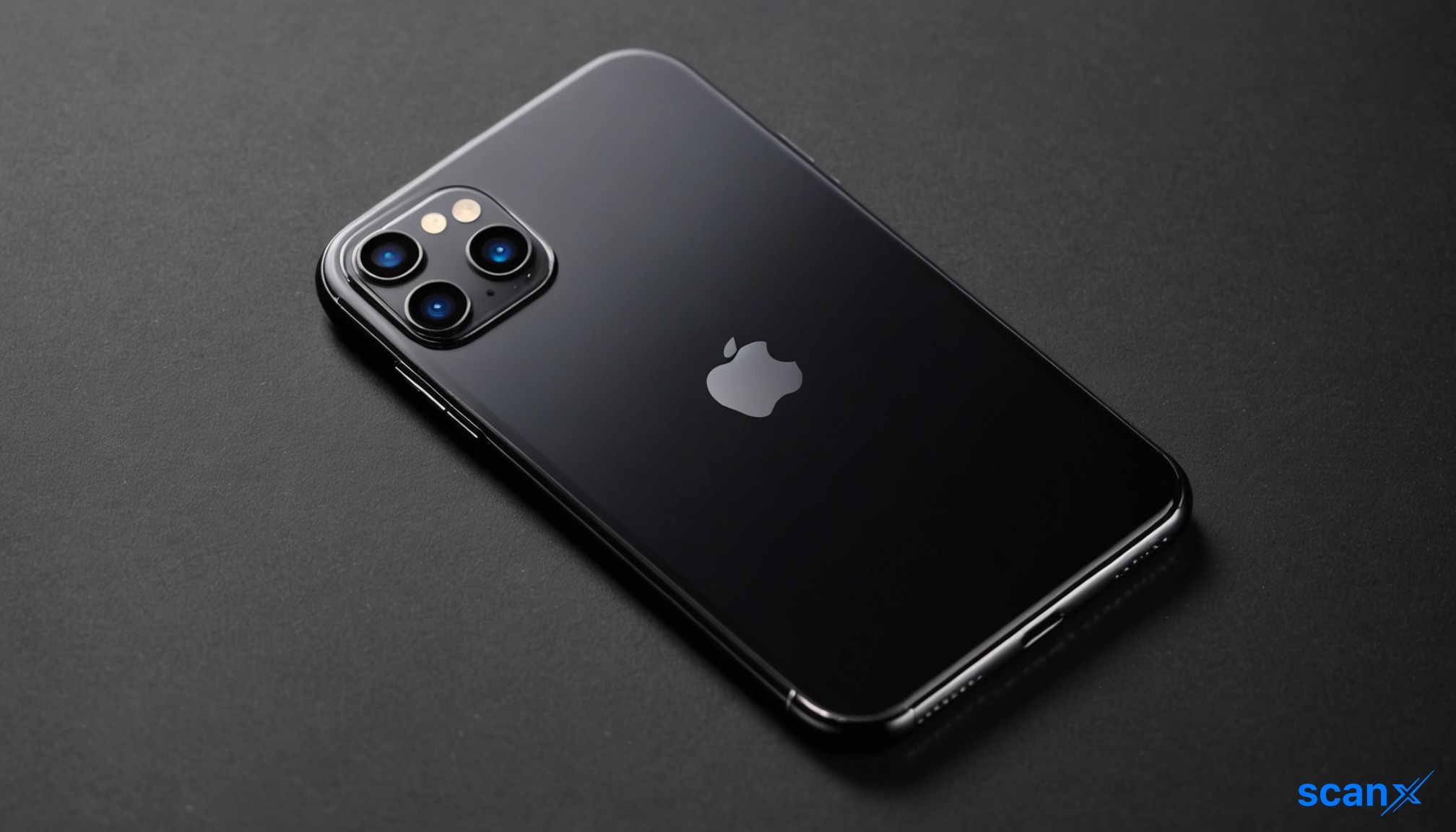
*this image is generated using AI for illustrative purposes only.
Apple Inc (NASDAQ: AAPL) shares rose Thursday as Bank of America highlighted that U.S. carrier trade-in incentives for the iPhone 18 Pro Max have climbed to $1,200. The richer promotions aim to offset higher device prices and drive a strong upgrade cycle.
Carrier Incentives Surge
Bank of America analyst Wamsi Mohan noted that maximum trade-in credits have increased significantly across recent iPhone generations. The credit for the iPhone 18 Pro Max is now $1,200, compared with $1,100 for the iPhone 17 Pro Max and $1,000 for the iPhone 16 Pro Max.
These promotions largely offset Apple’s higher pricing this year. However, eligibility requirements are strict. Verizon Communications Inc and AT&T Inc generally require customers to trade in an iPhone 14 or newer to qualify for the maximum credit. T-Mobile U.S Inc requires an iPhone 15 Pro or newer.
Mohan reiterated a Buy rating on Apple with a $370 price forecast. The firm bases this target on 37 times its calendar 2027 earnings estimate of $9.98 per share. The analyst cited capital returns, Apple's potential to emerge as a winner in edge AI, and opportunities in new products and markets as key drivers. Risks include a weaker iPhone cycle, slower Services growth, execution challenges around agentic Siri, tariffs, and longer smartphone replacement cycles.
Market Share and Pricing Dynamics
Counterpoint Research data indicates Apple's phone shipments climbed 13% from a year earlier. This growth pushed the company's share of the global smartphone market to an all-time high of 21% for the quarter.
Apple stood alone among major phone makers in holding the line on pricing while competitors raised prices due to rising memory chip costs. Analysts credited the surge largely to strong consumer appetite for the iPhone 17 lineup. Mohan expects a strong iPhone cycle supported by higher average selling prices and adoption of the iPhone Duo. Apple's Siri AI features could also increase consumer interest in upgrading.
| Metric | Value |
|---|---|
| Global Smartphone Share | 21% |
| Shipment Growth YoY | 13% |
| iPhone 18 Pro Max Credit | $1,200 |
| iPhone 17 Pro Max Credit | $1,100 |
Technical Indicators Signal Momentum
From a technical perspective, major trend indicators align in Apple's favor. The stock is trading above its 20-day, 50-day, 100-day and 200-day simple moving averages.
Shares were roughly 4.4% higher than the 20-day benchmark near $321.32 and about 17.3% above the 200-day mark closer to $286.07. The MACD is above its signal line, pointing to improving upside pressure. The histogram is positive, suggesting buyers have maintained control of the recent trend. Additionally, the 20-day SMA remains above the 50-day SMA, which is also above the 200-day average.
Key resistance for Apple sits at the 52-week high of $344.57. Support is around $300.50. A break above that level could lead to price discovery at higher share prices. Apple has gained 40.38% over the past 12 months.
ETF Exposure
Apple is a major holding in several ETFs. The iShares S&P 100 ETF (NYSE: OEF) has a 9.69% weighting, while the Motley Fool 100 Index ETF (NYSE: TMFC) has a 9.74% weighting. The VistaShares Target 15 Berkshire Select Income ETF (NYSE: OMAH) has a 9.97% weighting. As a result, large inflows or outflows from these funds can translate into additional buying or selling of Apple shares.
What the Numbers Show
The combination of rising carrier incentives and stable Apple pricing suggests a strategic shift in how upgrades are financed. While Apple maintained pricing discipline despite input cost inflation that forced rivals to raise prices, carriers absorbed the cost gap through increased trade-in credits. The jump from $1,100 to $1,200 in maximum credits indicates a concerted effort to sustain upgrade momentum for the iPhone 18 series, supporting Bank of America’s view of a multiyear upgrade cycle driven by AI features.
Price Action Update
Apple shares were up 1.00% at $335.72 at the time of publication on Thursday. The stock is approaching its 52-week high of $344.56.

How might the increasing carrier trade-in credits impact the long-term profitability and customer retention rates of U.S. telecom providers like Verizon, AT&T, and T-Mobile?
To what extent could the strict eligibility requirements for maximum trade-in credits limit Apple's ability to capture market share from Android users with older devices?
Will the anticipated adoption of 'agentic Siri' and edge AI features be sufficient to drive a sustained multi-year upgrade cycle, or will consumers face feature fatigue?
 19





 Create Custom Screeners
 Access 200+ Pre-built Filters
 Use 50+ Readymade Screener





