

Prediction markets see low odds for US diesel export ban


- Polymarket assigns 11% probability to a US diesel export ban by Oct 31
- Kalshi traders see 17% chance of a ban before Election Day
- Goldman Sachs estimates a ban could raise gasoline prices by 30 cents per gallon
- Dallas Fed survey shows 48% of executives expect high diesel prices for over a year

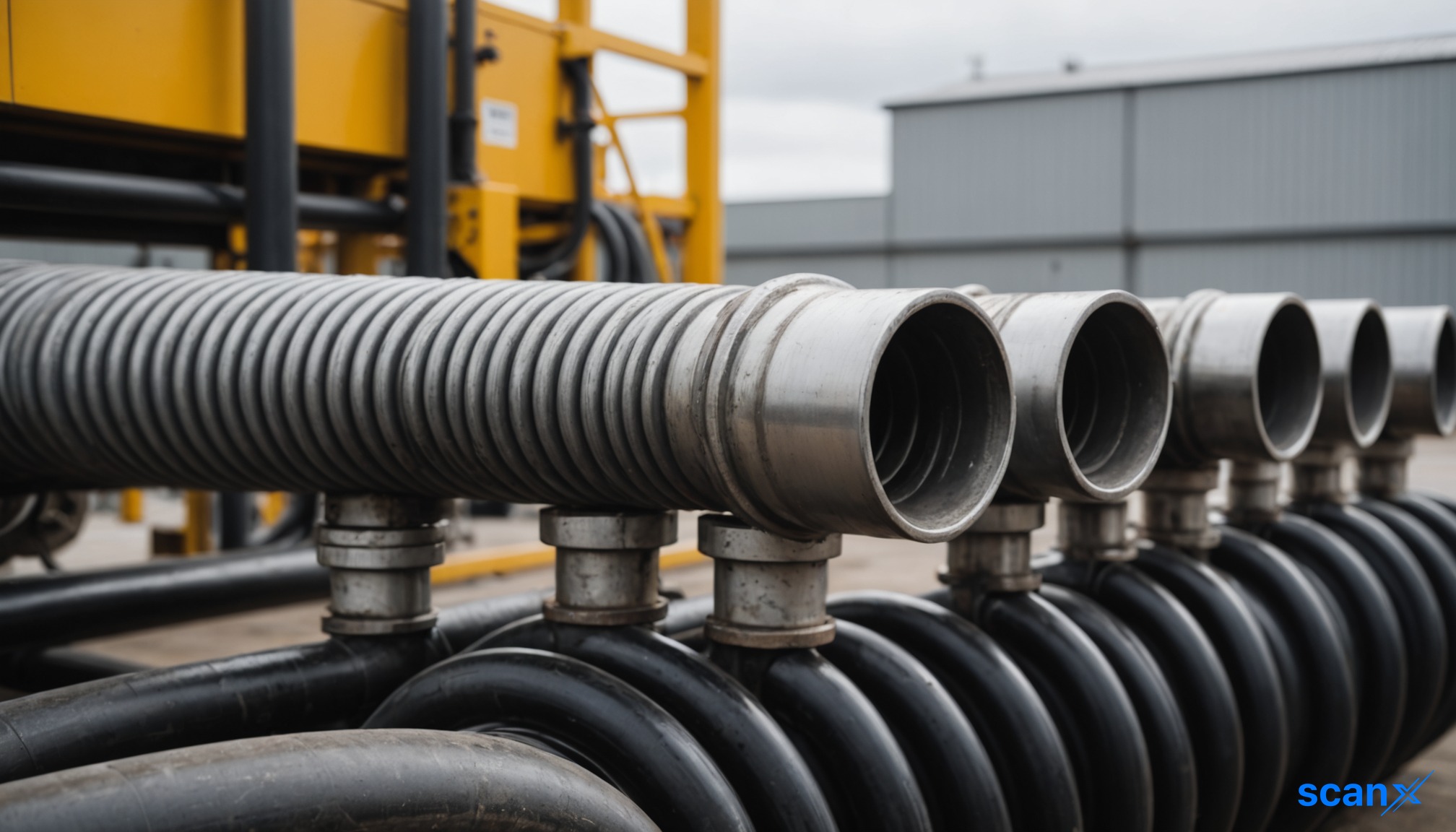

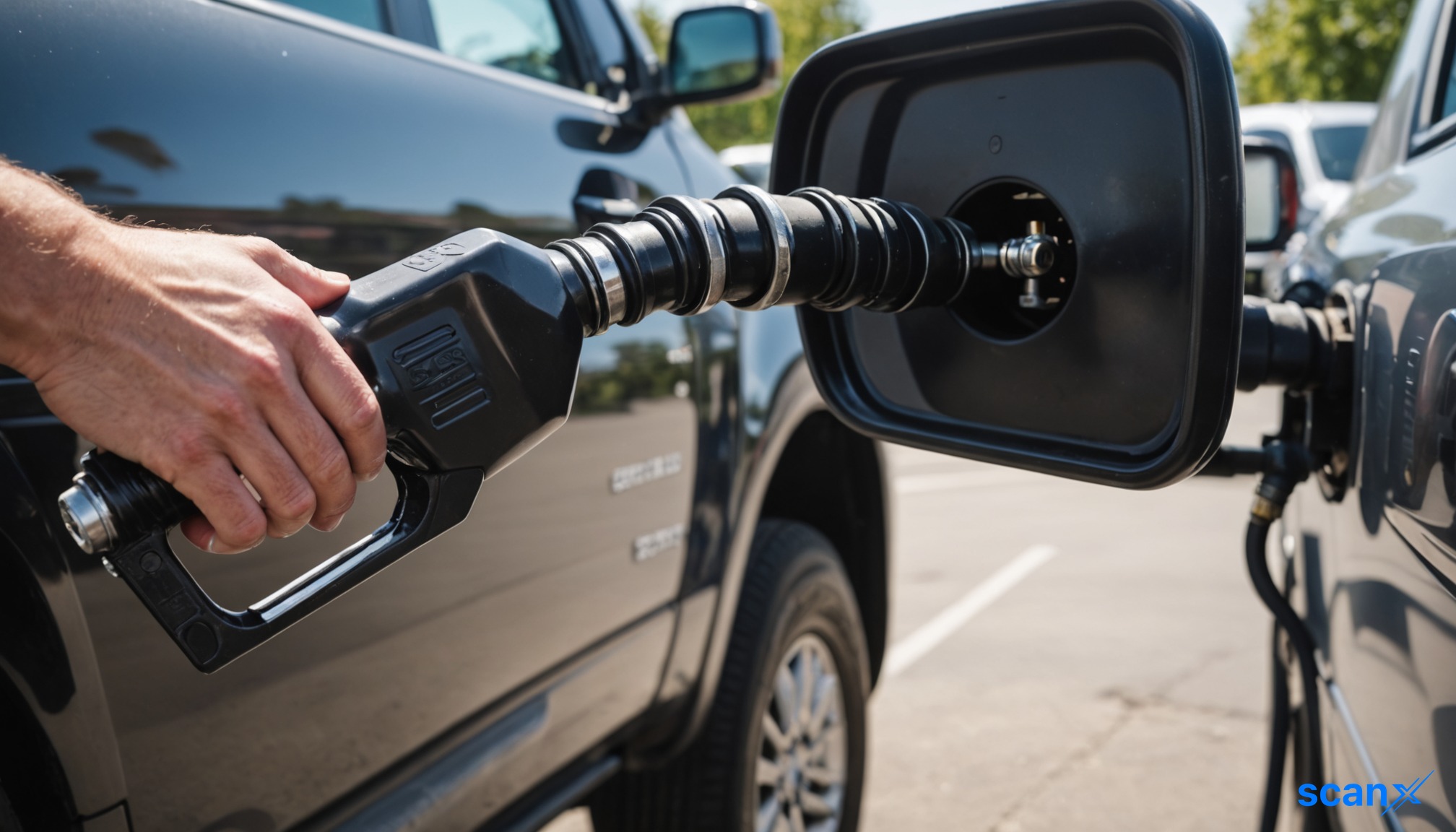
*this image is generated using AI for illustrative purposes only.
Prediction market traders assign low probabilities to a US diesel export ban, with Polymarket at 11% and Kalshi at 17%, despite ongoing White House discussions. This skepticism contrasts with a Dallas Fed survey where 48% of executives expect elevated diesel prices for over a year.
The fuel crisis, triggered by conflicts in Iran and Ukraine, has pushed U.S. diesel to record highs. AAA reported the average price at $6.4139 per gallon on Wednesday, a 73% increase from a year ago, while Reuters noted a recent peak of $6.53 per gallon. The divergence between market expectations of policy action and the structural supply constraints highlighted by industry executives underscores the complexity of the current energy landscape.
Market sentiment on export restrictions
Polymarket places the probability of the U.S. announcing a broad diesel export ban by October 31 at 11%, with more than $181,000 traded on the contract. The platform specifies that restrictions such as quotas, tariffs, or destination-specific bans would not qualify unless they effectively prohibit exports. Separately, Kalshi traders estimate the chance of a ban before Election Day at 17%.
President Donald Trump has kept the option alive, stating his administration discusses the issue "every day." He acknowledged that a ban could lower diesel prices while making gasoline more expensive. Energy Secretary Chris Wright has opposed a blanket ban, warning it could hurt refinery efficiency and push gasoline and jet fuel prices higher. Instead, the administration is pressing France and Germany to release emergency diesel reserves, a move that would add global supply without forcing U.S. refiners to stop exporting.
Economic impact and analyst forecasts
Goldman Sachs Group Inc. (NYSE: GS) estimates that a ban could initially push U.S. diesel prices down by about 25 cents per gallon each week, roughly 4% from recent levels. However, Goldman warns this effect could reverse once storage fills. Refiners may then have to cut production, which could push retail gasoline prices about 30 cents per gallon higher.
Jefferies downgraded major U.S. refiners Valero Energy Corp. (NYSE: VLO) and Marathon Petroleum Corp. (NYSE: MPC) to Hold on September 22, citing a possible diesel export ban as one of the biggest risks facing the refining industry. The logic is that U.S. refineries produce both fuels from the same crude oil; losing overseas buyers for excess diesel fills storage tanks, forcing plants to process less crude and thereby reducing gasoline output.
| Metric | Value | Context |
|---|---|---|
| Polymarket probability of ban (by Oct 31) | 11% | Broad prohibition only |
| Kalshi probability of ban (before Election Day) | 17% | Traders' assessment |
| Avg diesel price (AAA) | $6.4139 per gallon | Up 73% YoY |
| Record diesel price | $6.53 per gallon | Reuters report |
| Executives expecting >4 quarters high diesel | 48% | Dallas Fed survey |
| Executives expecting >4 quarters high gasoline | 36% | Dallas Fed survey |
| Global refining capacity change | -10% | Industry group data |
Political stakes and industry opposition
The fuel crisis threatens the Republican Party's midterm election campaign. Tennessee Republican Tim Burchett warned that the GOP could lose its majority due to the situation, and an industry insider revealed that an export ban was "absolutely getting pretty close to movement" after top Republicans from farming states requested action.
However, more than 30 industry groups, including the U.S. Chamber of Commerce, urged Trump not to restrict diesel exports. They warned that limits could reduce fuel production, tighten supplies, and raise costs. They noted that U.S. refineries are operating at full capacity amid a 10% decline in global refining capacity. Treasury Secretary Scott Bessent discussed the issue with Reform U.K.'s Robert Jenrick, who urged Washington to avoid a ban or exempt the U.K.
What the numbers show
The combined data reveals a tension between political pressure and market reality. While 48% of oil and gas executives expect long-term high diesel prices, prediction markets assign only 11-17% probability to the most direct intervention: an export ban. This suggests traders believe the administration will opt for less disruptive measures like reserve releases or voluntary limits. Furthermore, Goldman Sachs' forecast that a ban could eventually raise gasoline prices by 30 cents per gallon aligns with the Dallas Fed finding that 36% of executives already expect prolonged gasoline price elevation, highlighting the risk that solving the diesel shortage could exacerbate broader fuel inflation.

How might the European Union's response to U.S. requests for emergency diesel reserve releases impact global supply dynamics and subsequent U.S. export volumes?
What specific legislative or regulatory mechanisms could the administration employ to implement partial export restrictions without triggering the broader market disruptions predicted by Goldman Sachs?
Will the recent downgrades of Valero and Marathon Petroleum lead to further capital expenditure cuts in the refining sector, potentially exacerbating the 10% decline in global refining capacity?
 16
16









 Create Custom Screeners
  Access 200+ Pre-built Filters
  Use 50+ Readymade Screener





