

US diesel hits record $6.285/gal; ETF outlines fuel-saving strategies


- US diesel prices hit a record $6.285 per gallon on September 14, up nearly 70% YoY
- The Engine Technology Forum links speed and idling to significant annual cost increases
- Reducing speed from 70 mph to 55-65 mph can save over $16,000 annually per truck
- Idling for two hours daily wastes approximately $2,512 in fuel costs per year
- Newer equipment and biodiesel blends offer further efficiency and supply diversification



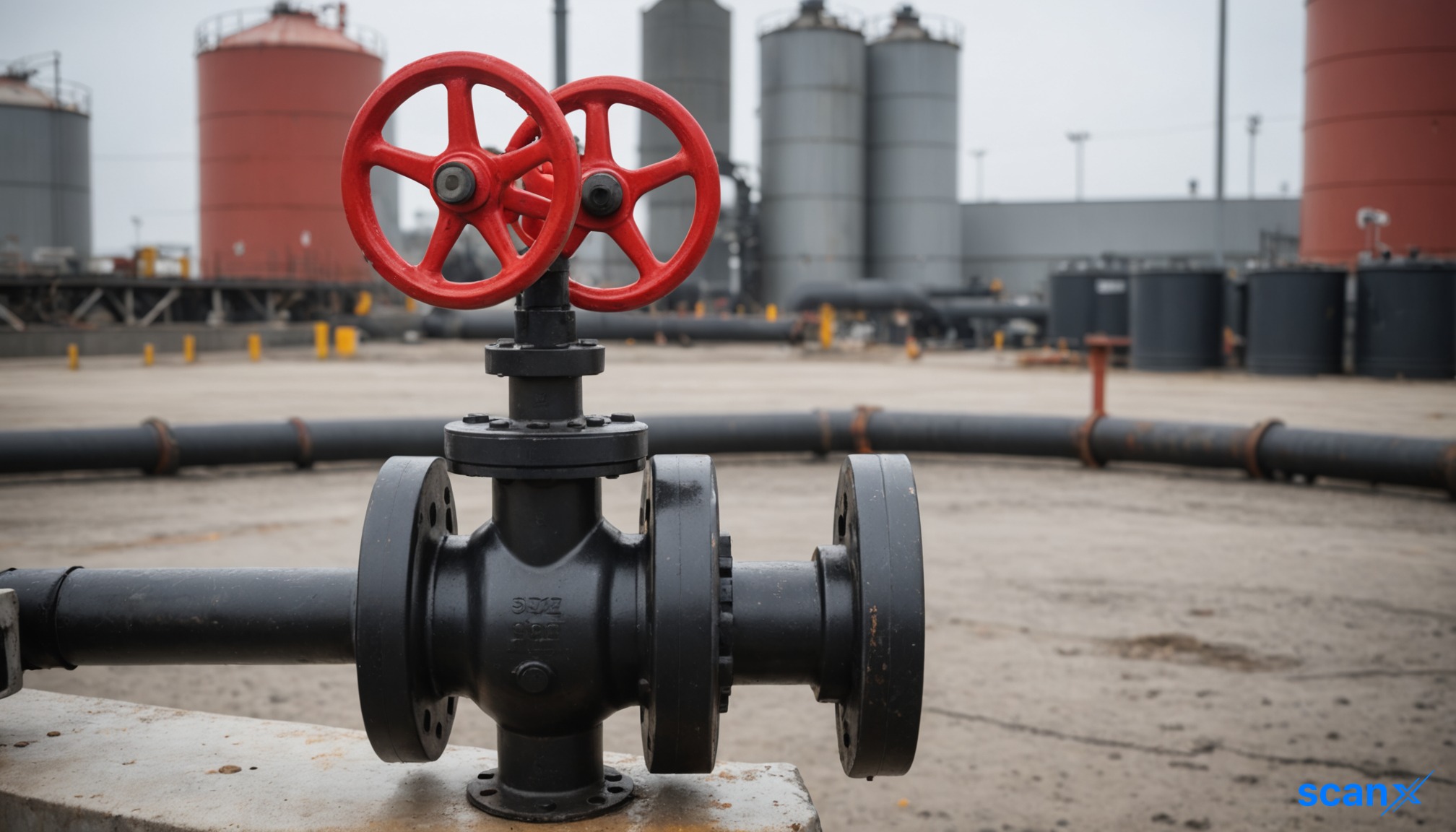
*this image is generated using AI for illustrative purposes only.
The national average on-highway diesel price in the United States reached a record $6.285 per gallon on September 14, 2026. This figure represents an increase of nearly 69 cents in two weeks and is almost $2.55 higher than a year ago.
The Engine Technology Forum (ETF) released new analysis identifying strategies to reduce fuel consumption for industries reliant on diesel, including freight, agriculture, and construction. Allen Schaeffer, executive director of ETF, noted that diesel powers 97% of Class 8 commercial trucks and most farm and construction equipment.
Price Drivers and Impact
According to the U.S. Energy Information Administration, tight global supplies, low distillate inventories, refinery disruptions, and seasonal demand are sustaining upward pressure on prices. The current rate exceeds the previous record set in 2022.
What the Numbers Show
Operational adjustments offer significant cost mitigation potential relative to the price spike. For a truck traveling 100,000 miles annually at 6.6 mpg versus 8.0 mpg, the fuel difference is 2,650 gallons. At the current price of $6.28 per gallon, this efficiency gap translates to approximately $16,600 in additional annual expense for the less efficient vehicle. Similarly, idling for two hours daily over 250 operating days wastes roughly 400 gallons, costing about $2,512 annually.
Key Mitigation Strategies
The ETF analysis highlights several factors contributing to higher fuel costs and methods to mitigate them:
- Vehicle speed: Traveling at 70 mph uses 15% to 25% more fuel than driving at 55-65 mph.
- Engine idling: Heavy-duty engines burn 0.5 to 1 gallon per hour at idle. Construction fleets lose 30% to 40% of productive time to idling, according to Geotab.
- Maintenance: Underinflated tires reduce fuel economy by about 0.2% for every 1 psi drop in average pressure across four tires.
- Equipment age: Trucks from model year 2010 or newer use 3-5% less fuel due to selective catalytic reduction technology. Farm and construction equipment from model year 2014 or newer show similar gains.
- Alternative fuels: Biodiesel blends up to B20 and renewable diesel can help stabilize costs. A 2022 study found expanded biomass-based diesel production could lower prices by about 4%.
- Technology: AI-based routing, telematics, and precision farming tools improve productivity and reduce inputs.
- Fuel alternatives: Natural gas and propane are available for conversion, though electric options remain limited by infrastructure and upfront costs.

How might the current diesel price surge accelerate fleet operators' adoption of alternative fuels like renewable diesel or natural gas despite higher upfront conversion costs?
What impact will the increased operational costs have on freight shipping rates and consumer prices for agricultural goods in the coming quarters?
Are there emerging policy incentives or regulatory changes likely to support the transition to newer, more fuel-efficient equipment for construction and farming sectors?
 15
15












 Access Market Heat-map & Insights
  Create, Save & Share your Screener
  Use 200+ Screening Filters





