

Cyient launches Intelligent Engineering Solutions unit with CYiNGINE platform


- Cyient established Intelligent Engineering Solutions (IES), a new integrated business unit
- The unit is powered by CYiNGINE, a platform-led AI operating model for lifecycle engineering
- IES focuses on three playbooks: Engineering, Service, and Quality and Regulatory lifecycles
- Led by Chief Business Officer Harjott Atrii, the unit aims to shift from projects to outcome-based partnerships



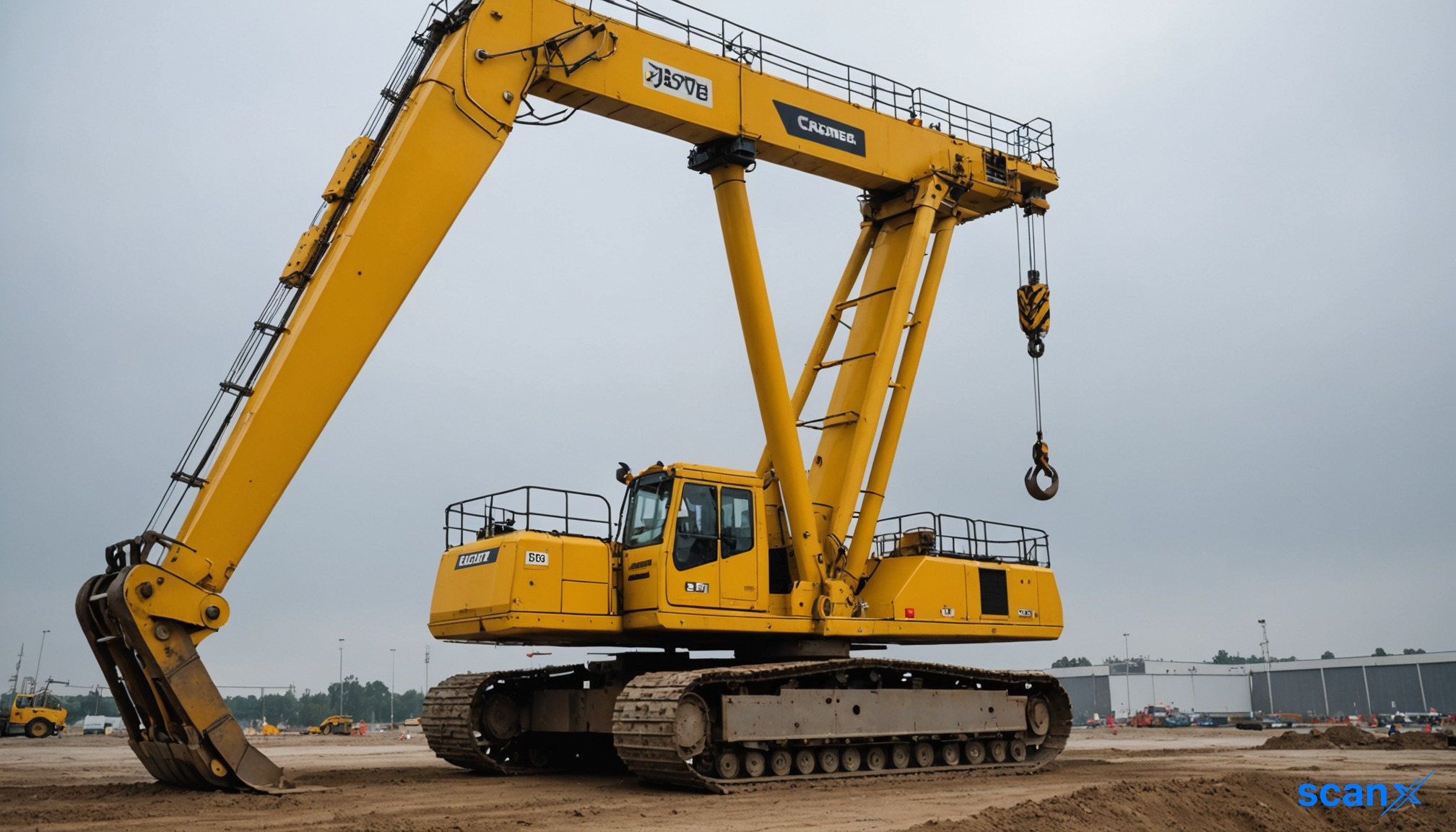
*this image is generated using AI for illustrative purposes only.
Cyient Limited announced the formation of a new integrated business unit, Intelligent Engineering Solutions (IES), designed to accelerate technology-led growth. The unit leverages a platform-led AI operating model anchored on CYiNGINE to connect engineering expertise with measurable client outcomes across the product lifecycle.
The initiative combines data, deep domain knowledge, and business context to deliver solutions from planning and design through to operations. IES aims to translate technological capabilities into customer value while building future-ready technologies. The move reinforces Cyient's positioning as a lifecycle engineering services partner integrating engineering with data, AI, and technology.
Structure and operational model
The new unit operates through three reusable, AI-enabled playbooks covering Engineering, Service, and Quality and Regulatory lifecycles. These are supported by data engineering, analytics, and AI-enabled software development. The CYiNGINE platform provides a common foundation for data governance and outcome measurement.
IES follows a progression model of Explore, Build, Scale, and Deliver Impact to move technology innovation into tangible client results. The unit will be led by Harjott Atrii, Chief Business Officer, who has shaped Cyient's data, AI, and technology capabilities in recent months.
Key outcomes via CYiNGINE
CYiNGINE integrates governed industrial data, engineering domain knowledge, and a modern AI and LLM stack to embed intelligence within workflows. The platform targets specific improvements across three core lifecycle areas:
| Lifecycle Area | Primary Objectives |
|---|---|
| Engineering | Faster design cycles, improved first-time-right rates, and greater reuse of engineering IP |
| Service | Higher asset availability and fewer unplanned outages via predictive maintenance |
| Quality and Regulatory | Faster certification, continuous audit-ready traceability, and reduced rework |
These outcomes are measured against client KPIs to support long-term, outcome-based engagements rather than traditional project structures.
Strategic leadership perspective
Sukamal Banerjee, Executive Director and CEO of Cyient, stated that the company is pursuing tangible business outcomes rather than AI for its own sake. He emphasized rethinking how AI enters core engineering disciplines and how it is adopted in customer workflows for design, manufacturing, and service.
Harjott Atrii noted that customers buy outcomes, not AI. He highlighted that Cyient's competitive advantage lies in decades of engineering domain depth, governed industrial data, and customer trust. The CYiNGINE platform brings these elements into a single execution layer to convert capabilities into measurable results such as faster regulatory clearance and higher asset availability.
What the numbers show
Cyient currently serves over 300 customers with more than 15,000 associates across 30+ countries. The establishment of IES represents a structural consolidation of these dispersed resources into a unified AI-driven delivery engine. By focusing on outcome-based engagements, the company signals a shift from volume-based service contracts toward value-based partnerships, leveraging its existing scale in mission-critical industries like Aerospace, Rail, and Energy.
Historical Stock Returns for Cyient
| 1 Day | 5 Days | 1 Month | 6 Months | 1 Year | 5 Years |
|---|---|---|---|---|---|
| -3.21% | +1.97% | +0.16% | +37.12% | -5.70% | +4.64% |

How will the shift to outcome-based pricing models under IES impact Cyient's short-term revenue recognition and long-term margin stability?
What specific competitive threats does the CYiNGINE platform pose to established AI-native engineering firms or hyperscaler-led industrial AI solutions?
To what extent will the consolidation of 15,000 associates into the IES unit require significant restructuring costs or workforce reallocation in the coming quarters?
















 Access 50+ Readymade Screeners
  Use 200+ Custom Filters
  Get Full Market Insights





