

Hanke: Record diesel prices crushing farmers, truckers during harvest


- Farm fuel costs rose $11/acre for corn and $7/acre for soybeans YoY
- U.S. on-highway diesel hit $6.285/gallon on Sept 14, crossing $6 nationally
- Farmers absorb costs as price takers; one combine costs $1,500/day to fuel
- Analysts warn of potential bankruptcies for independent truckers
- Geopolitical conflicts tighten global supplies, sustaining high prices


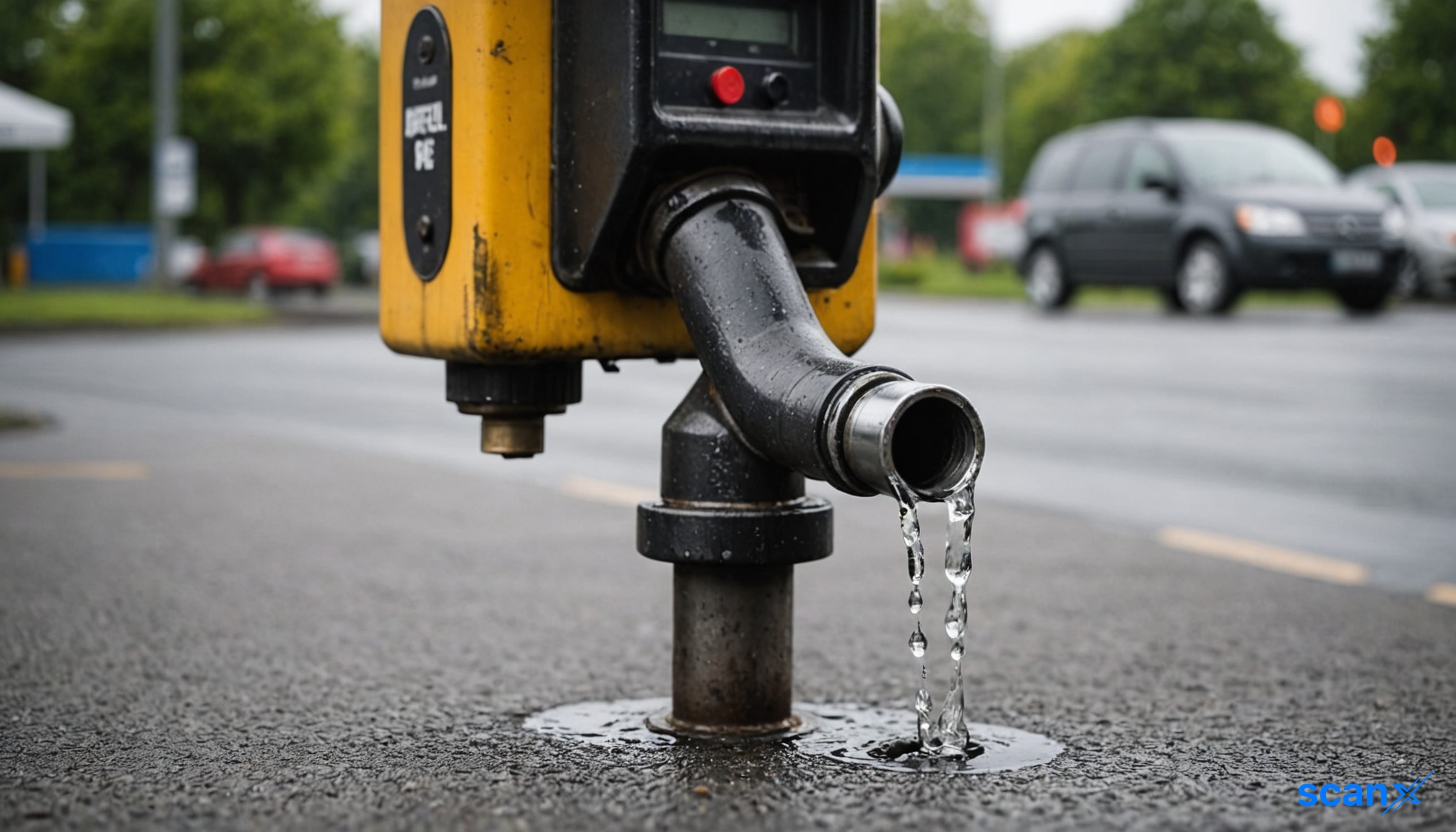
*this image is generated using AI for illustrative purposes only.
Economist Steve Hanke stated that record-high diesel prices are "crushing" American farmers and truckers during the harvest season. He argued on X that the fuel shock is a primary reason these groups are turning against President Donald Trump.
Diesel Surge Hits Farmers During Harvest
Hanke reported that farm fuel costs increased by $11 per acre for corn and $7 per acre for soybeans compared to last year. Reuters cited Purdue University economist Michael Langemeier to confirm these increases. The Energy Information Administration recorded U.S. on-highway diesel at $6.285 per gallon on September 14, a sharp rise from the previous year. Diesel crossed $6 nationally this month due to the U.S.-Iran conflict and Ukrainian attacks on Russian refineries tightening global supplies.
The timing has intensified financial pressure on agricultural operations. South Dakota farmer Drew Peterson expects to spend up to $1,500 a day fueling one combine, approximately twice last year’s cost. California vegetable grower Wayne Gularte reported a roughly 40% rise in his fuel costs.
| Commodity | Cost Increase Per Acre | Source |
|---|---|---|
| Corn | $11 | Steve Hanke / Reuters |
| Soybeans | $7 | Steve Hanke / Reuters |
Economists Warn Fuel Pressure Could Persist
Kansas State University economist Gregg Ibendahl warned that diesel prices could remain elevated for at least another year. He noted that farmers are price takers who must absorb higher costs without setting corn or soybean prices. American Farm Bureau economist Faith Parum stated farm diesel reached $5.45 a gallon on September 4, up from $3.02 a year earlier. University of Illinois economist Nick Paulson told Reuters that "$6-plus per gallon diesel" could create inflationary pressure on seed, fertilizer, and other inputs next year.
Truckers Struggle As Political Pressure Grows
Independent truckers face similar strain as they typically pay fuel bills upfront. DAT Freight & Analytics principal analyst Dean Croke told Reuters that further increases could trigger "diesel price-driven bankruptcies." While Hanke’s political claim suggests a broad shift, the Associated Press reported frustration among voters without establishing a widespread change in sentiment among farmers or truckers. Senator Chuck Grassley (R-Iowa) said high diesel prices are "killing farmers income" and urged an export embargo.
What the Numbers Show
The divergence between input cost inflation and revenue control is stark. While diesel prices more than doubled from $3.02 to over $6.28 per gallon, farmers remain price takers for their output commodities. This structural imbalance means the entire burden of the supply-side shock—driven by geopolitical conflicts—is absorbed directly by agricultural margins rather than being passed through to consumers.

How might the proposed export embargo by Senator Grassley impact global grain supply chains and U.S. farm revenue in the short term?
To what extent could the projected inflationary pressure on seeds and fertilizers next year force small-scale farmers out of business?
Will the anticipated 'diesel price-driven bankruptcies' among independent truckers lead to a consolidation of the freight industry and reduced competition?
 18
18










 Access Market Heat-map & Insights
  Create, Save & Share your Screener
  Use 200+ Screening Filters





