

Canada, Alberta sign oil sands carbon capture MOU with producers


- Canada and Alberta signed a trilateral MOU with five oil sands producers in July 2026
- Pathways project targets 6 million tonnes CO₂ capture annually by 2035
- Definitive binding agreements targeted for November 15, 2026
- Alberta aims to double production from 4 million barrels per day within a decade

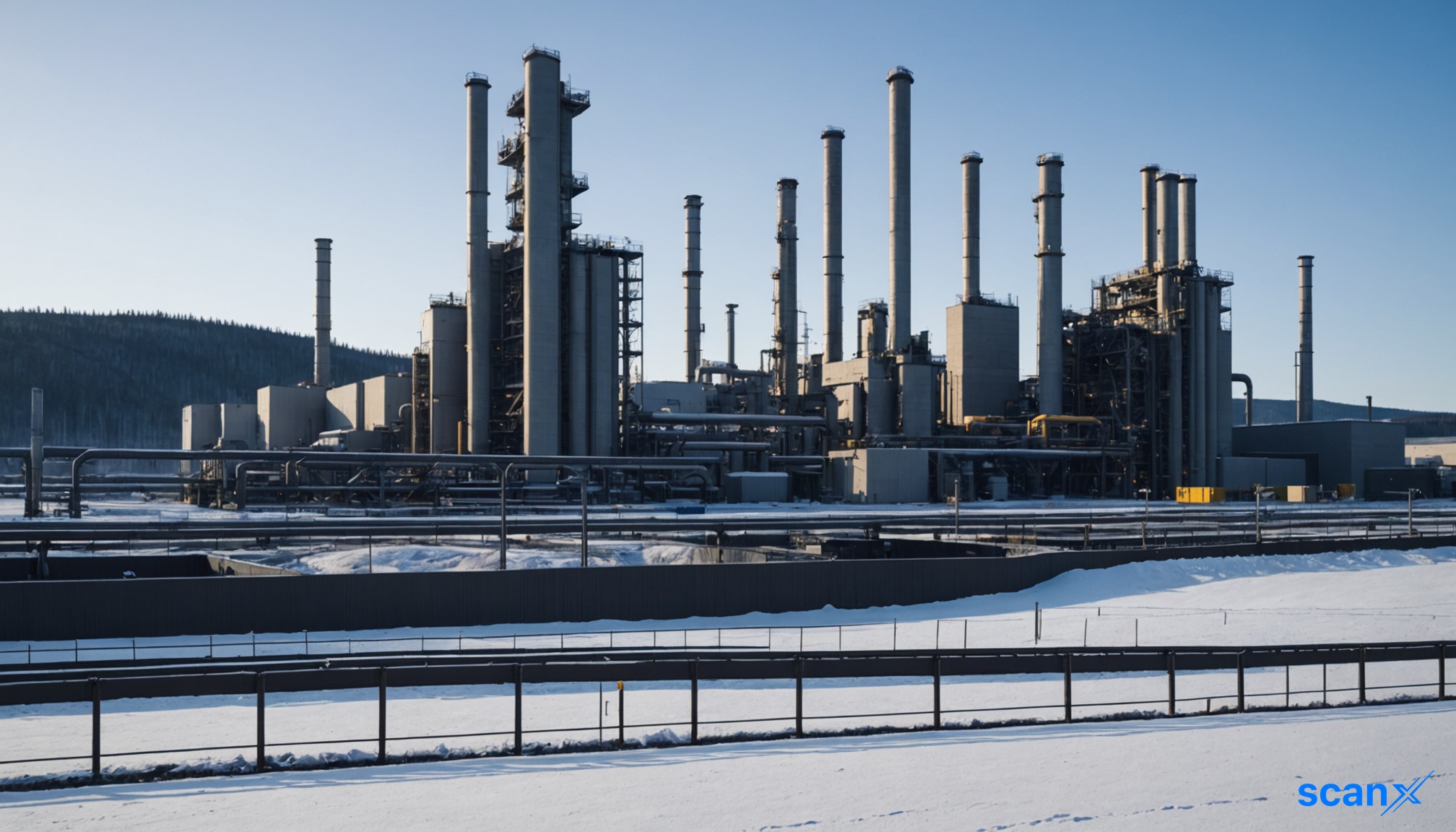

*this image is generated using AI for illustrative purposes only.
The Government of Canada and the Government of Alberta signed a trilateral Memorandum of Understanding (MOU) in July 2026 with five major oil sands producers. The framework links expanded production capacity to historic investment in carbon capture technology and new export infrastructure.
Pathways project targets
Canadian Natural Resources, Suncor Energy, Cenovus Energy, Imperial Oil and ConocoPhillips Canada committed to developing the Pathways Carbon Capture and Storage project. This shared infrastructure initiative targets 6 million tonnes of CO₂ capture annually by 2035, rising to 16 million tonnes per year by 2045.
Industry observers note that the July MOU represents conditional commitments rather than executed projects. Definitive binding agreements are targeted for November 15, 2026, and will determine whether the fiscal terms make expansion economically viable for producers.
Production and fiscal conditions
Alberta currently produces approximately 4 million barrels per day. The provincial government has publicly stated its aspiration to double that figure within a decade. Growth remains contingent on favourable economics, particularly the allocation of CCS costs, carbon pricing treatment and available subsidies.
Final investment decisions on Pathways are not expected until late 2027 or early 2028, once fiscal arrangements are clarified.
| Milestone | Target Date |
|---|---|
| Federal-provincial MOU announced | May 2026 |
| Industry trilateral MOU signed | July 2026 |
| National interest listing targeted | October 1, 2026 |
| Definitive binding agreements | November 15, 2026 |
| Construction commencement (earliest) | September 2027 |
Expert perspectives
Bekbolat Bekenov, Retired Sector Specialist (Argentina), stated that governments have created permission for growth, but producers have not yet committed significant capital. He noted that deadlines for definitive agreements will be the real test for calculating acceptable return on investment.
Maria Santos, Independent Energy Analyst (Houston), observed that capital discipline will prevail for coming months. Management teams across the sector will focus on dividends and buybacks from existing assets until certainty on fiscal terms is achieved.
What the numbers show
The data reveals a significant gap between policy ambition and capital commitment. While Alberta targets doubling production from 4 million barrels per day, the immediate financial commitment is limited to a non-binding MOU. The critical variable is the November 15, 2026 deadline for definitive agreements; until then, the 16 million tonnes annual capture target for 2045 remains a conditional goal dependent on unresolved fiscal terms regarding CCS cost allocation.

How will the specific fiscal terms finalized by November 15, 2026, impact the internal rate of return for the Pathways project compared to current oil sands benchmarks?
What regulatory hurdles might arise during the October 2026 national interest listing process that could delay the binding agreements?
How are global carbon credit markets expected to evolve by 2035 to ensure the economic viability of capturing 6 million tonnes of CO₂ annually?
 18
18







 Access 50+ Readymade Screeners
  Use 200+ Custom Filters
  Get Full Market Insights





