

United States Oil Fund falls 3.74% as crude supply fears ease


- United States Oil Fund shares fell 3.74% to $144.40 on Tuesday
- Saudi Arabia resumed crude oil export operations from its Red Sea port of Yanbu
- Saudi Aramco increased crude export volumes via alternative routes through Oman to bypass East-West Pipeline disruptions
- The dual supply-side developments eased logistical bottleneck fears and weighed on crude prices


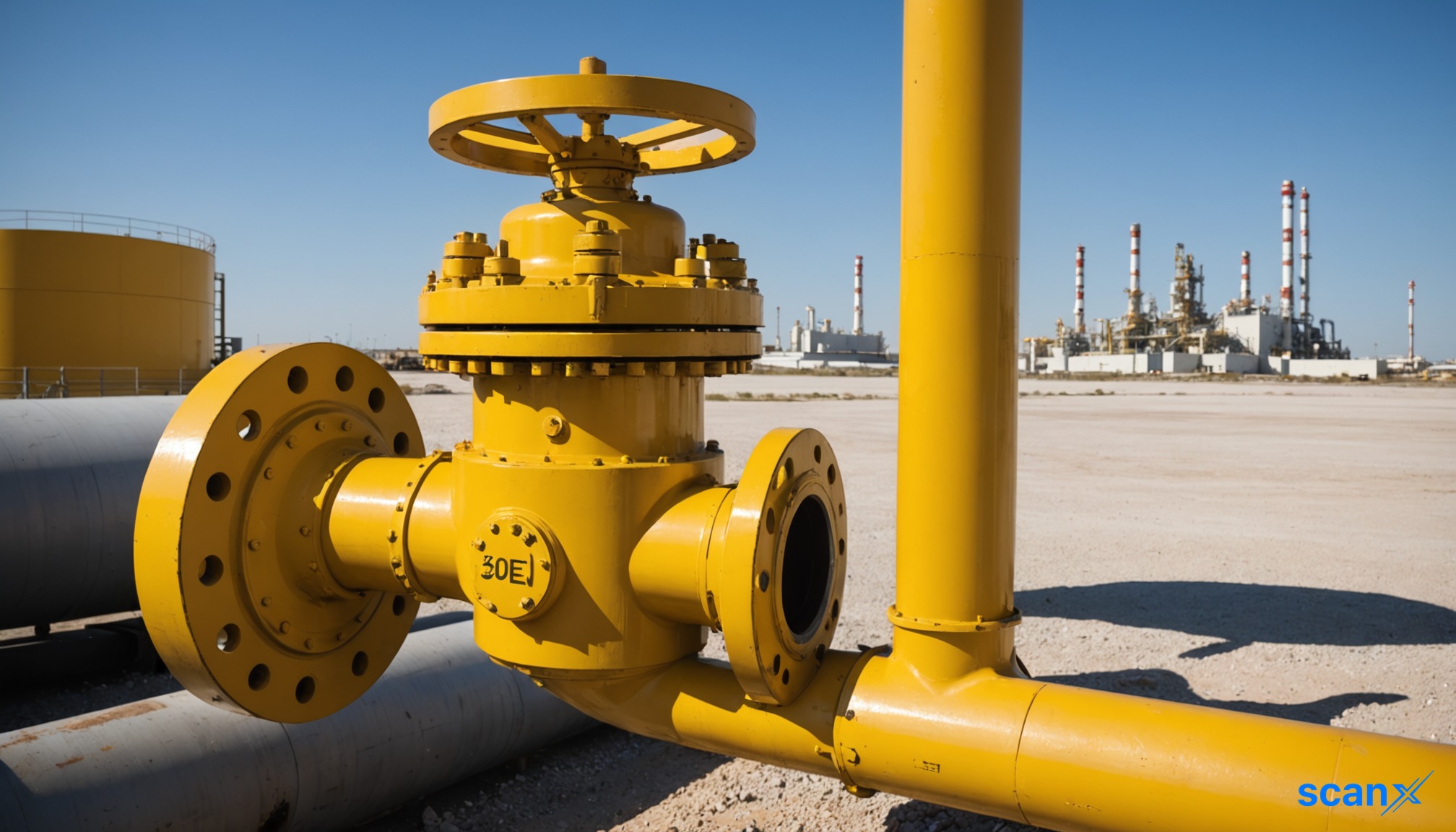
*this image is generated using AI for illustrative purposes only.
United States Oil Fund shares dropped 3.74% to $144.40 on Tuesday, pressured by easing supply-chain concerns after Saudi Arabia resumed crude oil exports from its Red Sea port of Yanbu.
Saudi Arabia restarts Yanbu terminal exports
Saudi Arabia officially resumed crude oil export operations from its Yanbu terminal on Tuesday. The restart of loading activities at the western port directly alleviates supply-chain bottleneck fears, allowing physical crude volumes to reach international buyers without traversing high-risk transit corridors in the region.
Aramco ramps up Oman route to offset pipeline disruption
Adding to the downward pressure on crude futures, Saudi Aramco increased crude export volumes via alternative routes through Oman. The logistical shift is designed to bypass ongoing capacity disruptions along the East-West Pipeline. By redirecting crude flows and restoring delivery capabilities to global markets, Aramco's operational adjustments unwound a portion of the risk premium priced into crude oil over recent sessions.
USO price action
The following table summarises the fund's price movement on Tuesday:
| Metric | Detail |
|---|---|
| Fund | United States Oil Fund |
| Price | $144.40 |
| Change | -3.74% |
| Session | Tuesday |
Data is sourced from Benzinga Pro at the time of publication.

How will the sustained increase in Saudi export volumes via Oman impact the East-West Pipeline's long-term capacity utilization and maintenance schedule?
What is the potential impact on global oil price volatility if geopolitical tensions in the Red Sea escalate again despite the Yanbu restart?
Will other OPEC+ members adjust their production quotas in response to Saudi Arabia's successful logistical rerouting and increased supply?
 19
19







 Create Custom Screeners
  Access 200+ Pre-built Filters
  Use 50+ Readymade Screener





