

Newsom slams Trump fuel economy rollback, cites high gas prices


- Gov. Gavin Newsom criticized Trump's rollback of fuel economy standards, calling it 'Big Oil' sponsored.
- National gas prices averaged $4.4768/gallon, while California diesel hit $8.3999/gallon on Monday.
- WTI crude rose 4.27% to $96.36, and Brent crude gained 3.50% to $100.85 amid Iran tensions.
- A Senate report alleged Trump sought $1 billion in oil industry donations for deregulation promises.



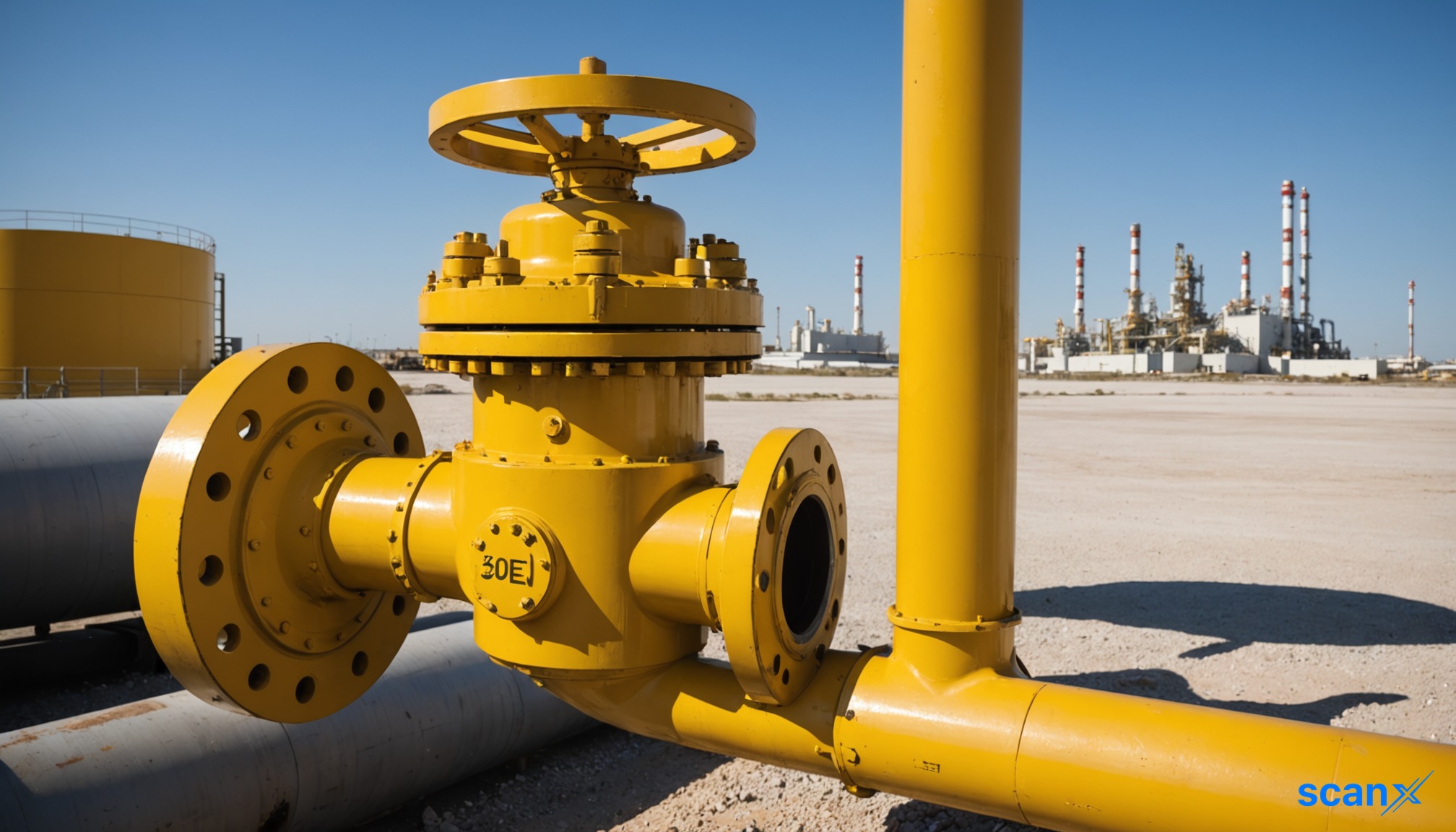
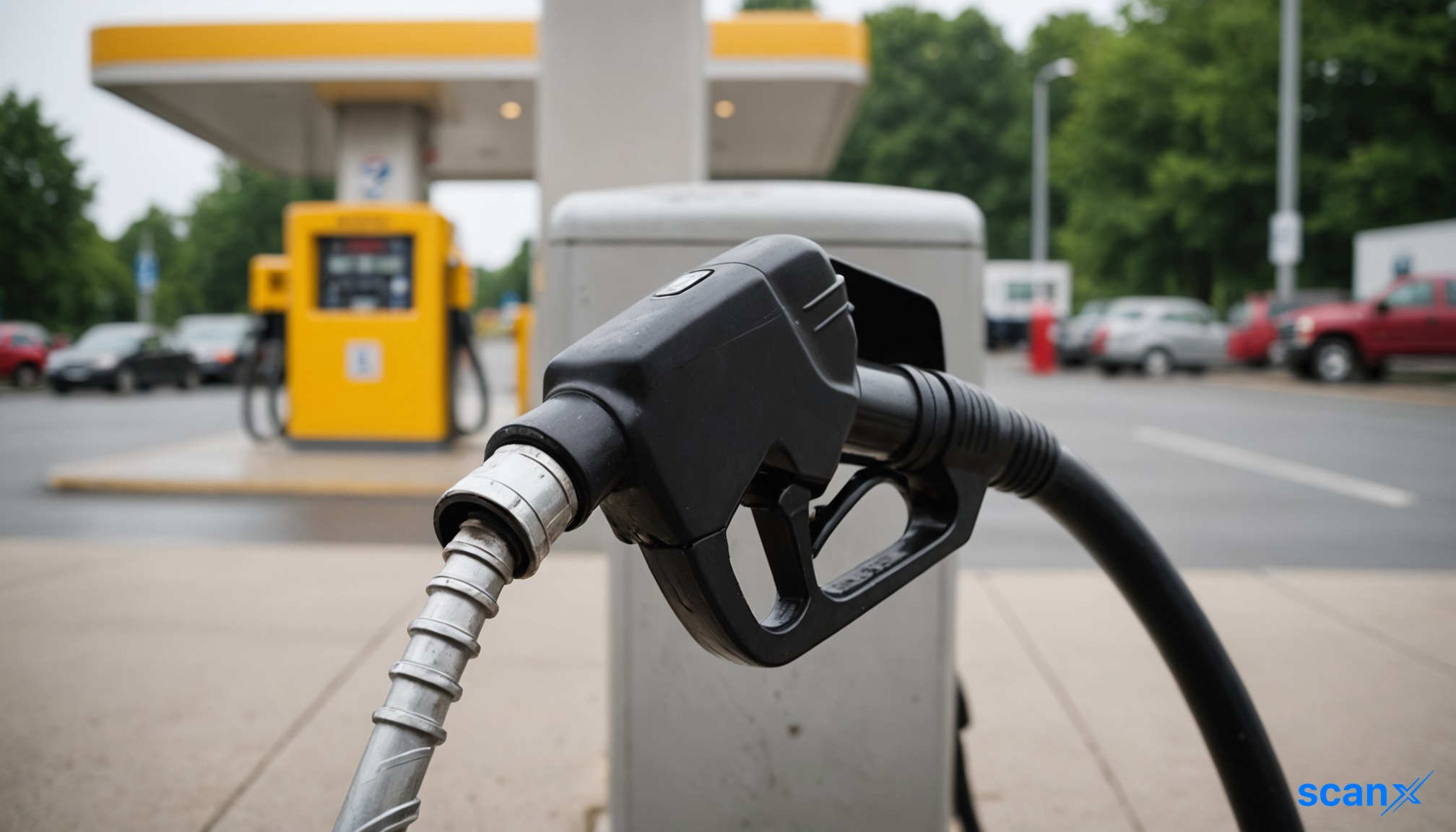
*this image is generated using AI for illustrative purposes only.
California Governor Gavin Newsom criticized the Trump administration's decision to roll back Biden-era fuel economy standards, arguing the move forces consumers to get fewer miles per gallon while gas prices remain elevated.
Newsom stated on social media platform X that the rollback would "Make America Smoggy Again" and accused the policy of being "Sponsored by Big Oil." The criticism follows reports that the administration plans to scale back regulations, a move proposed in December 2025. This aligns with previous actions by President Donald Trump, who ended the $7,500 Federal EV Credit in September of last year and rescinded the 2009 Greenhouse Gas Endangerment Finding, which served as the legal basis for regulating vehicle emissions.
Political backlash and campaign finance allegations
The Senate Committee on Environment and Public Works and Senate Minority Leader Chuck Schumer released a report accusing the administration of rolling back regulations and halting probes into fossil fuel companies since taking office. The report alleged that during an April 2024 fundraiser, then-candidate Trump asked oil and gas executives to pledge $1 billion in donations in exchange for tax breaks and deregulation efforts. The document cited "hundreds of millions of dollars" in contributions to the campaign.
Energy market volatility and price data
Escalating conflict with Iran has driven energy prices higher, with national averages reflecting significant strain on consumers. Data from the American Automobile Association (AAA) showed national gas prices fell slightly to $4.4768/gallon on Monday, while diesel prices declined to $6.45311/gallon. In California, where Newsom serves as governor, average gas prices stood at $6.3650/gallon, and diesel approached $8.4/gallon at $8.3999/gallon.
Crude oil futures also saw gains as geopolitical risks persisted. West Texas Intermediate (WTI) contracts expiring in November rose 4.27% to $96.36, while Brent futures ending in November 2026 increased 3.50% to $100.85. Energy exchange-traded funds (ETFs) mirrored this upward trend in pre-market trading.
| Asset | Price | Change |
|---|---|---|
| WTI Crude (Nov) | $96.36 | +4.27% |
| Brent Crude (Nov) | $100.85 | +3.50% |
| USO ETF | $155.07 | +4.50% |
| UCO ETF | $54.26 | +4.43% |
| US Avg Gas | $4.4768 | N/A |
| CA Avg Gas | $6.3650 | N/A |
What the numbers show
A divergence exists between the administration's deregulatory stance and current market realities. While the rollback aims to reduce compliance costs for automakers, the immediate impact on consumers is constrained by external geopolitical factors rather than domestic regulation. With WTI crude trading above $96 and California diesel nearing $8.40, the marginal savings from relaxed fuel efficiency mandates are negligible compared to the volatility driven by the war with Iran. Furthermore, the removal of the $7,500 EV credit and the Greenhouse Gas Endangerment Finding removes key financial incentives for electric vehicle adoption, potentially locking consumers into internal combustion engine vehicles during a period of historically high fuel costs.

How might the removal of the $7,500 EV credit and emission regulations impact automakers' long-term capital expenditure plans for electric vehicle infrastructure?
What specific legal challenges are California and other states likely to initiate to block the rollback of fuel economy standards, and what is the projected timeline for these court battles?
Given the correlation between geopolitical tensions and oil prices, how sensitive will consumer demand for internal combustion vehicles be if WTI crude remains above $96 per barrel?
 16
16







 Create Custom Screeners
  Access 200+ Pre-built Filters
  Use 50+ Readymade Screener





