40 of 60 Hormuz vessels coordinated with US military for protection

scanx
Reviewed by
Ritika DScanX News Team
Key Highlights
  • About 40 of the 60 commercial vessels transiting the Strait of Hormuz on Wednesday coordinated with the US military for protection.
  • The total transit volume of 60 vessels represents the highest daily volume since early July.
  • Data was provided by a U.S. defense official regarding maritime security coordination.
powered bylight_fuzz_icon
51822050

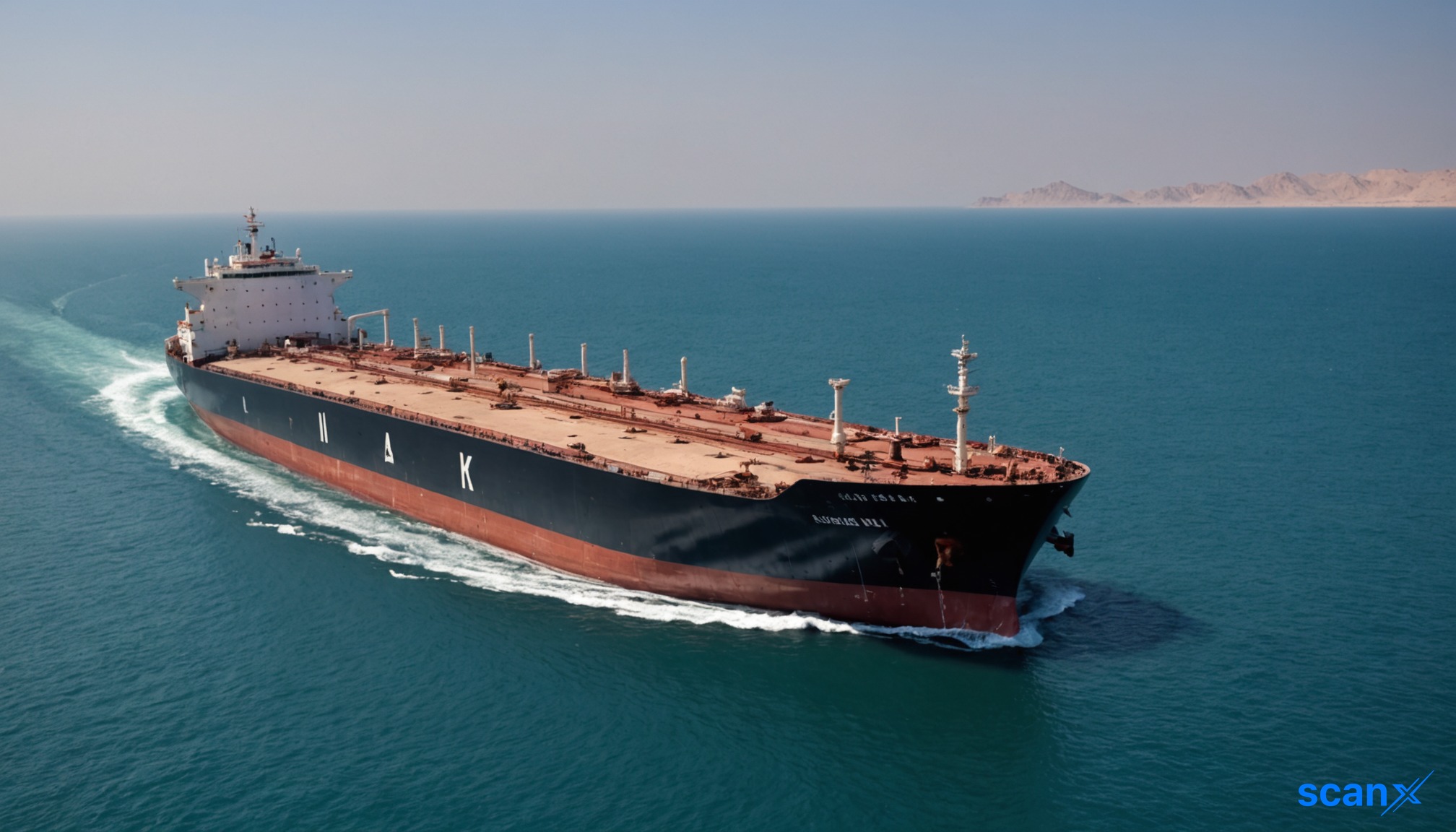
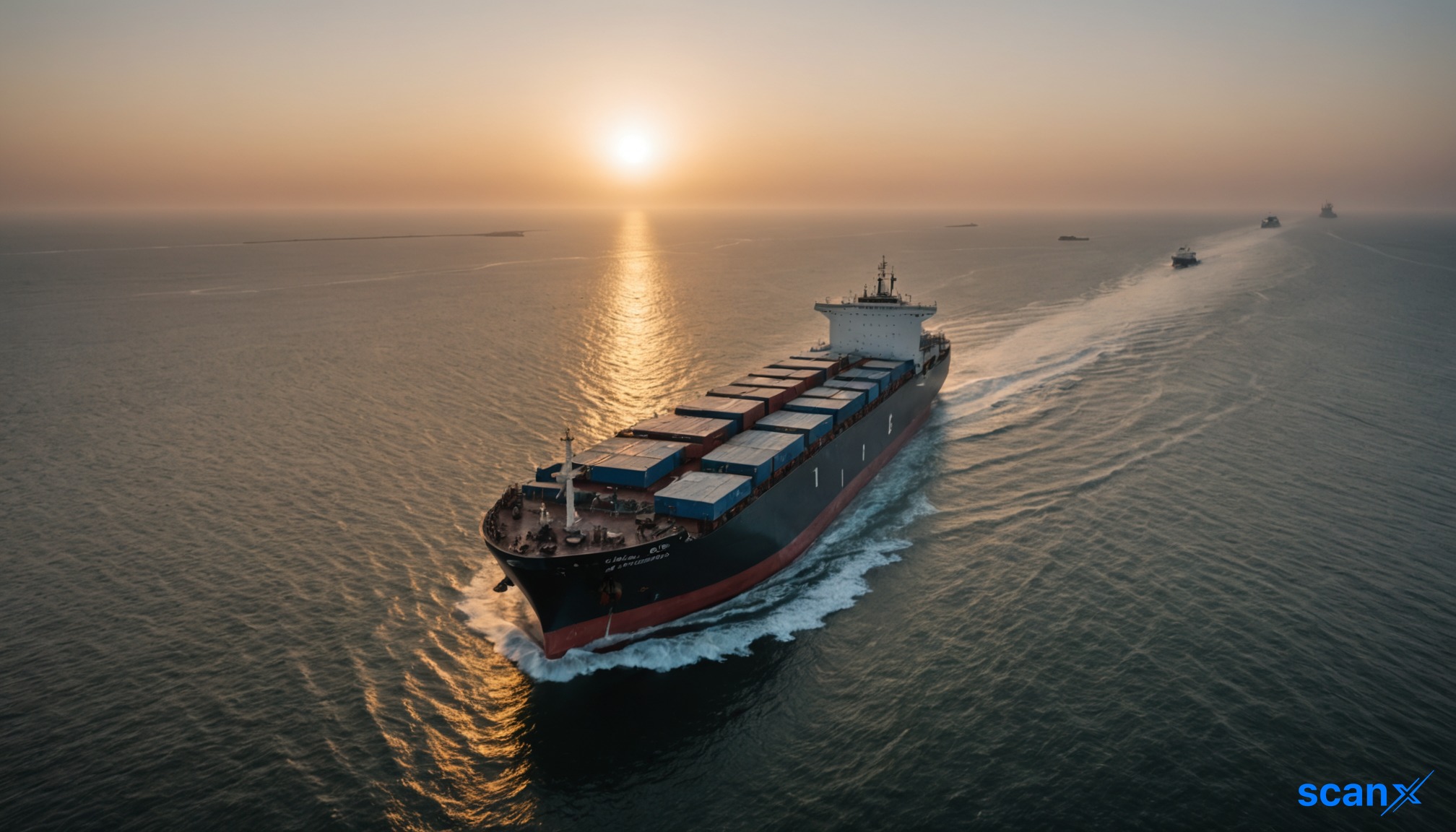
*this image is generated using AI for illustrative purposes only.

About 40 of the 60 commercial vessels that transited the Strait of Hormuz on Wednesday coordinated with the US military for protection. The data was provided by a U.S. defense official.

Traffic Volume Metrics

The surge in transit numbers indicates a significant uptick in maritime activity through this critical global energy chokepoint. The specific count of 60 vessels serves as a key indicator of current shipping flows relative to recent months.

Metric Value Comparison Period
Commercial Vessels 60 Highest daily volume since early July
Vessels Coordinating with US Military 40 Of total Wednesday transits

Strategic Context

The Strait of Hormuz remains a vital artery for global oil supply chains. This observation highlights the operational status of the waterway and the extent of security coordination reported by defense authorities.

Disclaimer: This article is AI-generated using data from LiveSquawk. ScanX is not liable for any inaccuracies.

How might sustained US military coordination in the Strait of Hormuz impact global oil shipping insurance premiums in the coming weeks?

What are the potential geopolitical repercussions if Iran perceives the increased US naval presence as an escalation rather than a protective measure?

Could the reliance on military escort for two-thirds of transiting vessels signal a shift toward long-term militarization of commercial energy supply chains?

like16
dislike

House Speaker Johnson links Hormuz disruption to rising US fuel costs

scanx
Reviewed by
Shraddha JScanX News Team
Key Highlights
  • U.S. regular gasoline averaged $4.478 per gallon, up $1.305 year over year
  • On-highway diesel reached $6.529, rising $2.780 from the previous year
  • Petroleum shipments through Strait of Hormuz fell to 4.9 million bpd in Q2
  • House Speaker Mike Johnson calls for resolution of Iran conflict to ease costs
powered bylight_fuzz_icon
51770331

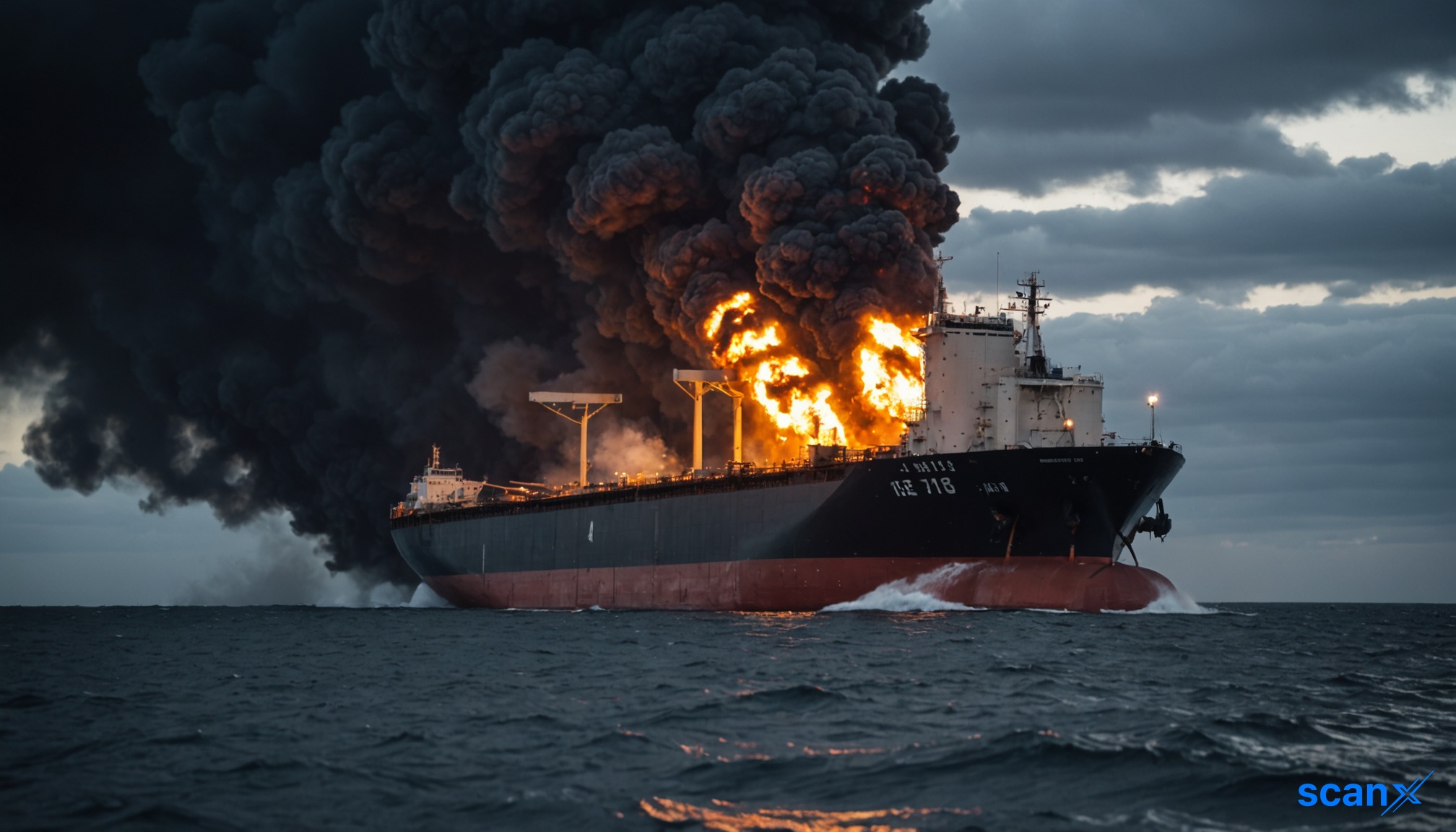
*this image is generated using AI for illustrative purposes only.

House Speaker Mike Johnson stated that the Iran conflict requires resolution, warning that disruptions in the Strait of Hormuz directly impact U.S. gasoline and grocery prices. He emphasized that closing the waterway affects commerce and household expenses.

Johnson noted that Operation Epic Fury successfully prevented Iran from acquiring nuclear capability. "But now we’ve got to bring that to a resolution," he said in a local television interview on Wednesday. He did not outline specific steps to end the war but acknowledged the economic strain on consumers.

Fuel prices surge amid supply concerns

Energy Information Administration data highlight the severity of the price increases. U.S. regular gasoline averaged $4.478 per gallon for the week ended September 21, marking a rise of $1.305 from a year earlier. On-highway diesel reached $6.529, an increase of $2.780 year over year.

The surge in diesel costs has raised concerns across trucking, agriculture, and consumer goods sectors. Associated Press reports indicate growing voter frustration with national gasoline prices hovering around $4.50, affecting even some Trump supporters.

Hormuz traffic drops significantly

EIA data reveals a sharp decline in petroleum shipments through the Strait of Hormuz. The volume averaged 4.9 million barrels per day in the second quarter, down from 21.6 million barrels per day in the fourth quarter of 2025. The agency identifies Hormuz as one of the world’s most critical oil chokepoints.

Metric Current Value Prior Period Change
Regular Gasoline (per gallon) $4.478 N/A +$1.305 YoY
On-highway Diesel (per gallon) $6.529 N/A +$2.780 YoY
Hormuz Oil Shipments (bpd) 4.9 million 21.6 million -16.7 million QoQ

Political pressure for relief measures

Republican lawmakers are proposing various measures to mitigate the impact. Ashley Hinson and Mike Rogers called for a swift end to the conflict, suggesting suspending gasoline taxes and limiting diesel exports. Senate Majority Leader John Thune indicated the U.S. could explore export restrictions.

Johnson expects prices to stabilize if the waterway reopens. "I think as soon as the Strait of Hormuz is reopened … then the president’s right. Gas prices come back down," he said.

Disclaimer: This article is AI-generated using data from ViewTrade. ScanX is not liable for any inaccuracies.

How might proposed diesel export restrictions impact global energy markets and U.S. refinery margins?

What specific diplomatic or military strategies are being considered to reopen the Strait of Hormuz without escalating regional conflict?

Will the suspension of federal gasoline taxes be sufficient to offset the $1.305 year-over-year price increase for consumers?

like17
dislike

More News on Strait of Hormuz