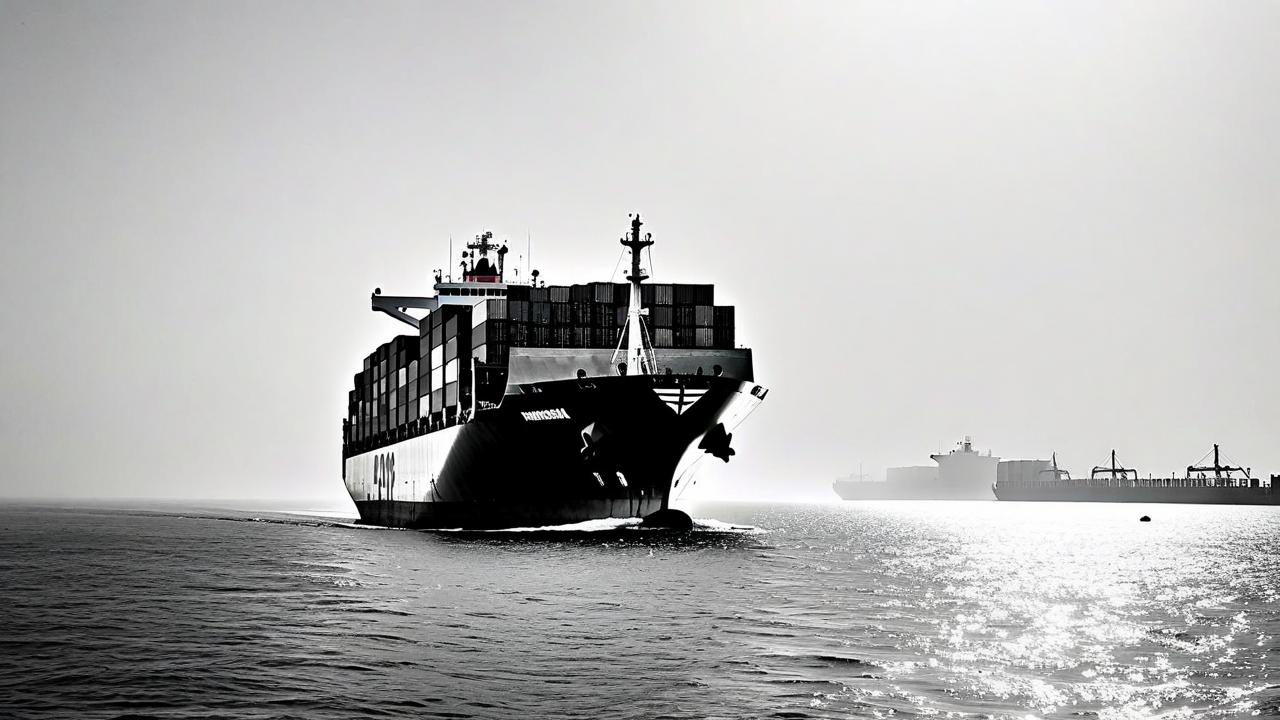
Vessel crossings in Strait of Hormuz drop 50% in one day

scanx
Reviewed by
Shraddha JScanX News Team
Key Highlights
  • Vessel crossings through the Strait of Hormuz fell 50% in a single day
  • The Strait of Hormuz is a critical maritime chokepoint connecting the Persian Gulf to the Gulf of Oman
  • No additional details on the cause or specific vessel categories were available in the source data
powered bylight_fuzz_icon
49810253

*this image is generated using AI for illustrative purposes only.

Vessel crossings through the Strait of Hormuz fell 50% in a single day, marking a sharp decline in traffic through one of the world's most strategically significant maritime corridors.

Scale of the decline

The 50% single-day drop in vessel crossings represents a significant disruption to activity in the Strait of Hormuz. The strait serves as a critical passage for maritime trade, and any notable reduction in crossing volumes draws attention from shipping and energy markets alike.

Metric Detail
Change in vessel crossings -50%
Timeframe Single day
Location Strait of Hormuz

Context and significance

The Strait of Hormuz is a narrow waterway connecting the Persian Gulf to the Gulf of Oman. It is widely regarded as a key chokepoint for global maritime traffic, particularly for energy shipments. A reduction of this magnitude in daily crossings underscores the sensitivity of the route to prevailing conditions.

No further details on the cause, specific date, or vessel categories involved were provided in the available data.

How might this sudden disruption in the Strait of Hormuz impact global crude oil prices and Brent futures in the short term?

What contingency plans are major shipping lines likely to activate to reroute vessels around the Cape of Good Hope?

Could this incident signal an escalation in regional geopolitical tensions, and how are defense analysts interpreting the cause?

like16
dislike

Two oil supertankers struck by projectiles in Strait of Hormuz

scanx
Reviewed by
Shriram SScanX News Team
Key Highlights
  • Two oil supertankers struck by unknown projectiles in quick succession
  • Incident occurred in the Strait of Hormuz, a key global oil chokepoint
  • Data sourced from maritime security firm Marisks and reported by Bloomberg
  • Vessel identities, damage extent, and projectile origin remain unspecified
powered bylight_fuzz_icon
49796186

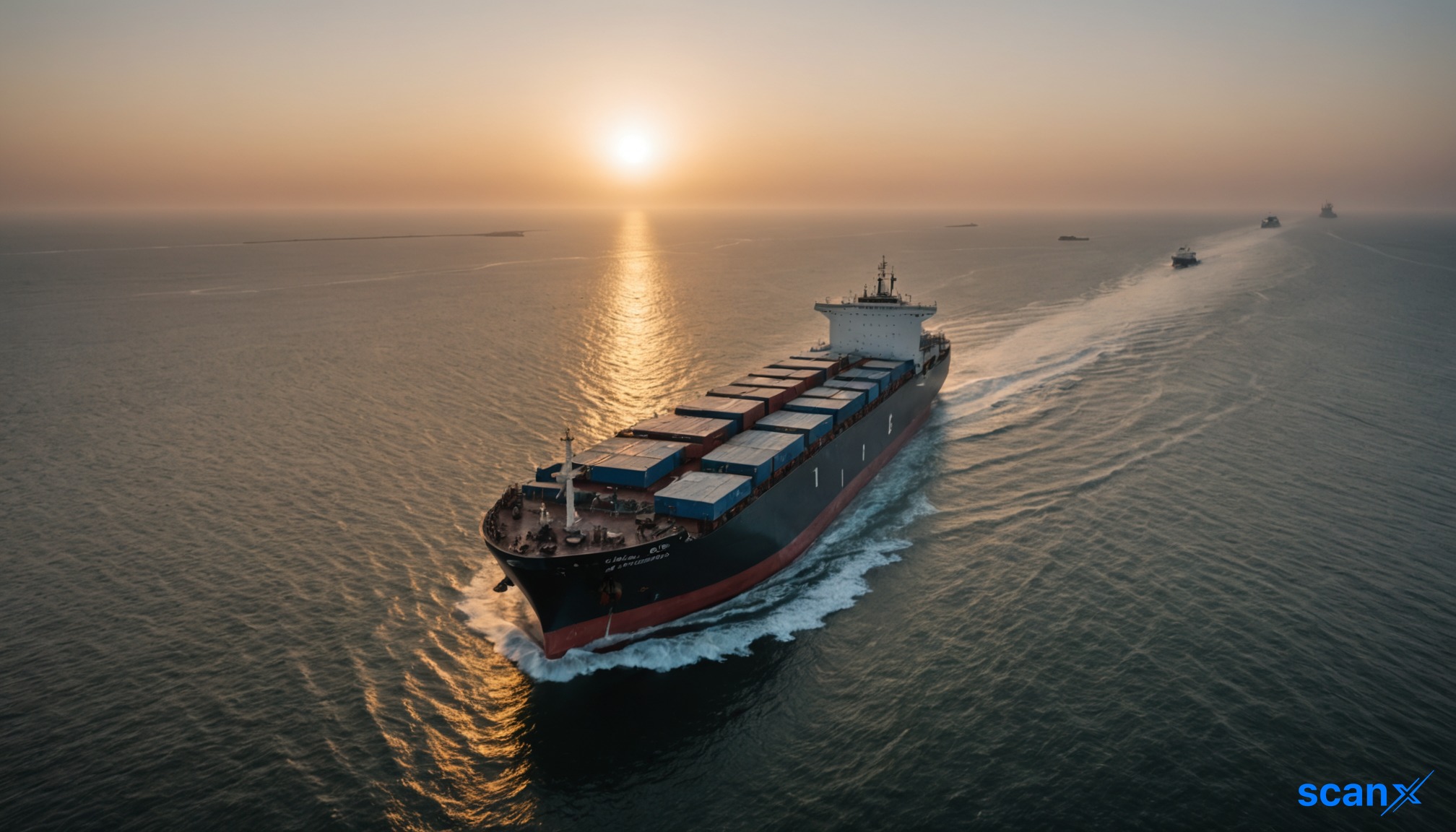
*this image is generated using AI for illustrative purposes only.

Two oil supertankers were struck by unknown projectiles in quick succession while transiting the Strait of Hormuz, according to maritime security firm Marisks.

Incident in a critical shipping lane

The attacks occurred in the Persian Gulf's Strait of Hormuz chokepoint. Bloomberg reported the incident based on data from Marisks. The Strait serves as a vital chokepoint for global oil trade, with a substantial share of seaborne crude oil and petroleum products passing through it.

Details of the attack

Both vessels were struck while navigating the region. The source data does not specify the identity of the tankers, the origin of the projectiles, the extent of damage sustained, or any casualties. No further operational or technical details are available from the provided information.

Parameter Details
Vessels affected Two oil supertankers
Location Strait of Hormuz
Nature of incident Hit by unknown projectiles
Timing In quick succession
Source Marisks (via Bloomberg)

Significance for energy markets

The Strait of Hormuz is a critical transit route for global oil supply. Incidents involving tankers in this region have historically drawn attention from energy markets, shipping companies, and governments with interests in uninterrupted oil flows. The current incident involving two supertankers simultaneously amplifies the scale of concern around maritime security in the area.

How might this incident impact short-term Brent crude oil futures and insurance premiums for vessels transiting the Strait of Hormuz?

Will major oil-exporting nations in the Persian Gulf increase their reliance on alternative pipeline routes to bypass the strait?

What immediate military or diplomatic responses are expected from regional powers and the United States to ensure maritime security?

like15
dislike