

Bessent says Hormuz Strait will be avoided in two years


- US Treasury Secretary Scott Bessent says Strait of Hormuz will be 'avoided' in two years due to new land-based pipelines
- Bessent warns Iran will lose leverage, stating the strait will become a 'worthless piece of water'
- President Trump approved 'tanker for tanker' policy; US forces struck two Iranian tankers
- Iranian security chief warns no oil will flow through Hormuz if economic pressure continues

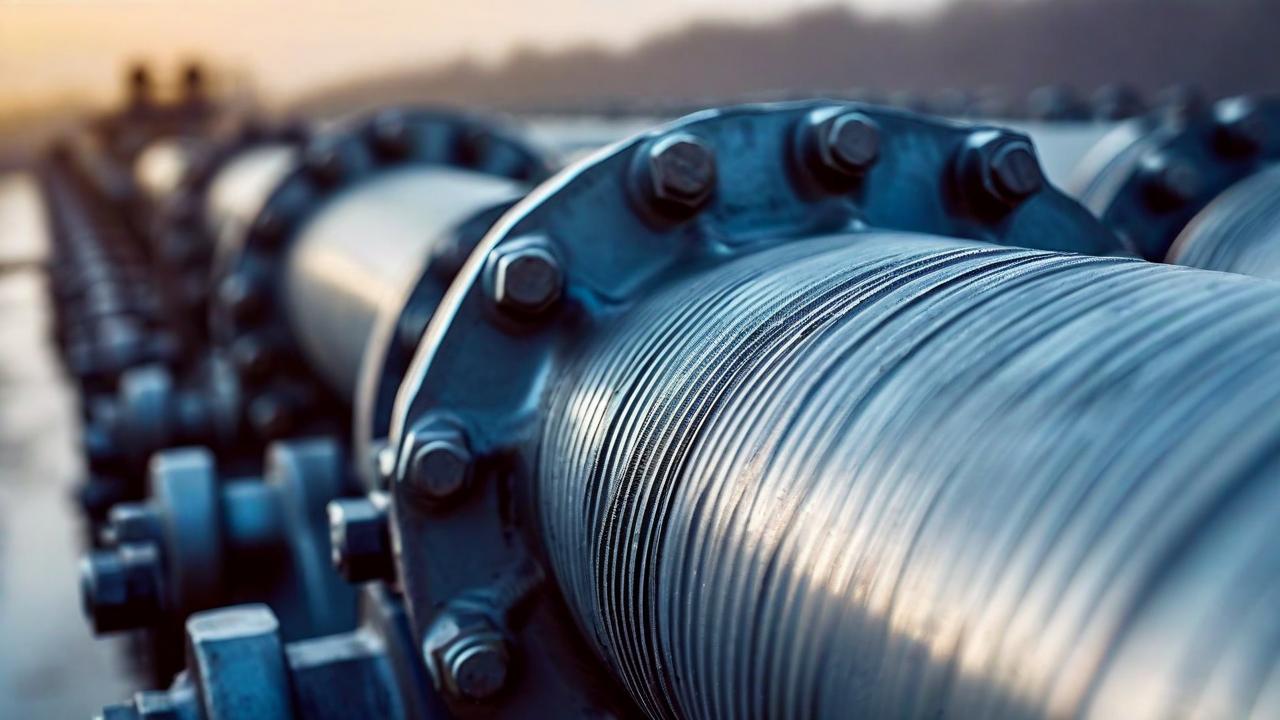

*this image is generated using AI for illustrative purposes only.
US Treasury Secretary Scott Bessent stated that the Strait of Hormuz will be 'avoided' within two years, a development that carries significant implications for global energy trade and shipping routes.
Statement and its significance
The Strait of Hormuz is one of the world's most critical maritime chokepoints, through which a substantial share of global oil and liquefied natural gas shipments pass. The US official's assertion that the strait will be 'avoided' within a two-year timeframe marks a notable policy or strategic signal regarding energy transit routes.
Bessent made the remarks while speaking with Fox Business’ Larry Kudlow at the Group of 20 finance ministers’ meetings in Asheville, North Carolina. He identified the official as Treasury Secretary Scott Bessent, specifying his institutional affiliation which was previously absent.
Bessent said Iran was attempting to use the strait as an energy choke point. "It’s not a choke point for the U.S., but it is a choke point for many, many other countries," he said.
He added, "In two years, the Strait of Hormuz will be like a worthless piece of water. The oil will be going on pipelines across land."
Bessent also pointed to growing international backing for Washington’s economic pressure campaign against Tehran. "We have zero tolerance," he told Kudlow. "We are going to economically asphyxiate this regime."
Context around the Hormuz strait
The Strait of Hormuz connects the Persian Gulf to the Gulf of Oman and serves as a key passage for energy exports from major oil-producing nations. Any shift in shipping patterns away from this route would represent a consequential change in global energy logistics.
President Donald Trump reportedly approved a "tanker for tanker" policy against Iran, with U.S. forces striking two Iranian government tankers amid escalating tensions. U.S. officials said about 100 targets were hit Tuesday, while roughly 40 ships transited the Strait of Hormuz under U.S. military guidance.
Iranian Foreign Ministry spokesperson Esmaeil Baqaei condemned the attacks, claiming a U.S. strike on a wedding gathering in Kuhestak killed four people, including a child, and injured 53 others. He accused Washington and countries that remained silent of normalizing alleged unlawful attacks and warned that Iran would respond firmly.
Last week, Iran urged countries to resist U.S. sanctions, while Foreign Minister Abbas Araghchi said diplomacy remained possible if Washington eased pressure. Tehran also linked wider access through the Strait of Hormuz to progress on regional conflicts.
Trump had rejected immediate talks, saying, "We don’t want to speak to them."
Iranian security chief Mohsen Rezaee warned that continued economic pressure could halt oil exports, saying "not a single drop of oil will be exported" through the Strait of Hormuz or Persian Gulf. He also said countries supporting the U.S. campaign would be considered to have committed "an act of war."

What specific infrastructure projects or pipeline expansions are currently underway to facilitate the shift from maritime shipping to land-based oil transport within a two-year window?
How might the proposed 'tanker for tanker' policy and potential closure of the Strait of Hormuz impact global LNG prices and supply contracts for Asian importers?
Which countries are most vulnerable to energy supply disruptions if Iran follows through on threats to halt exports, and what alternative sourcing strategies are they likely to adopt?
 15
15





 Access Market Heat-map & Insights
  Create, Save & Share your Screener
  Use 200+ Screening Filters





