

Iran, Oman near safe route deal in Strait of Hormuz as traffic drops 50%


- Iran and Oman are in the final stages of negotiating safe shipping routes in the Strait of Hormuz.
- The agreement aims to establish a temporary safe route registered with the International Maritime Organization.
- Oman reportedly rejected Iran’s proposal for joint service fees on ships to avoid US backlash.
- Commercial traffic through the strait dropped 50%, with only five confirmed crossings last week.
- US officials claim total control, but data shows severe constraints on maritime movement.

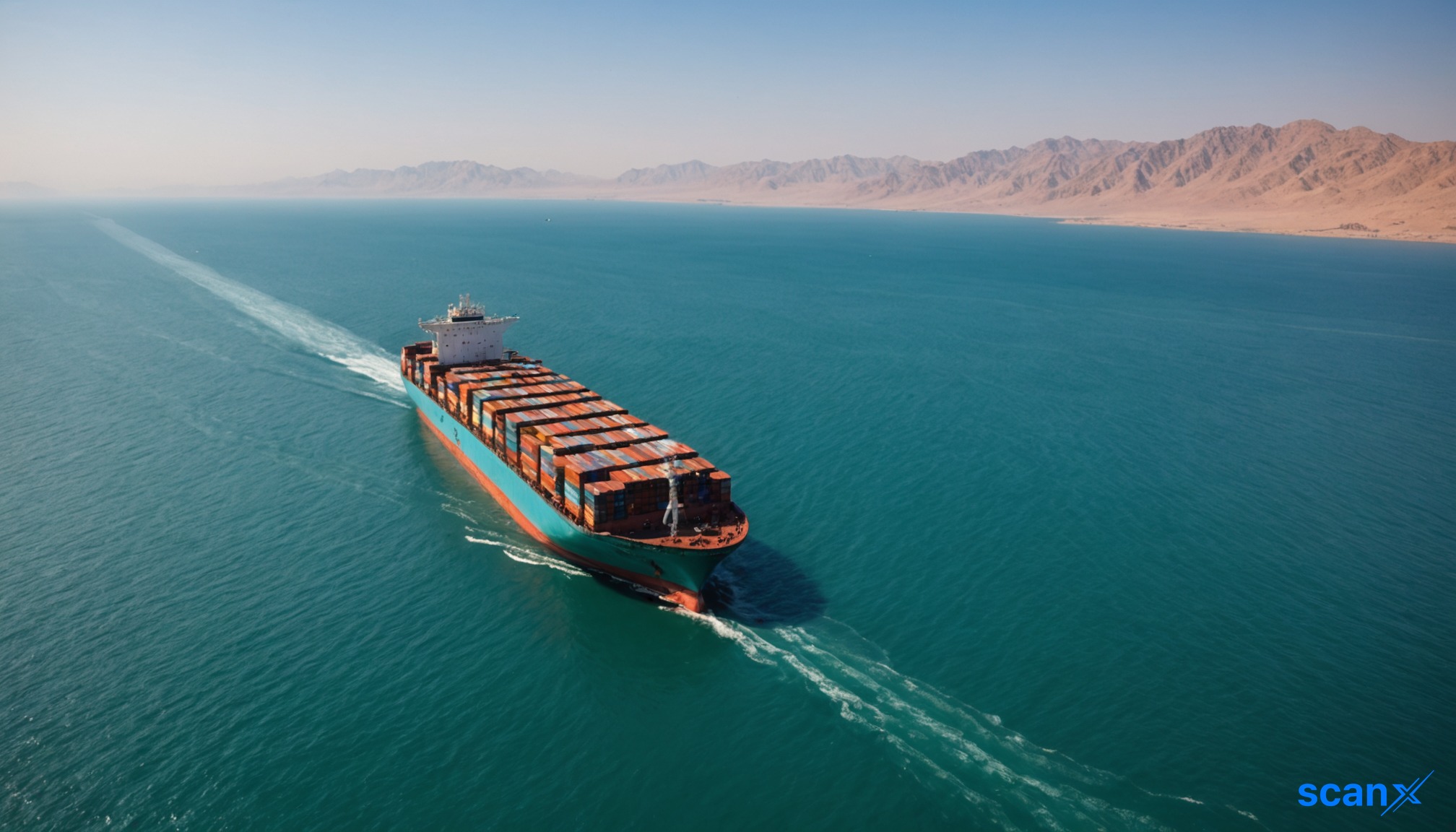

*this image is generated using AI for illustrative purposes only.
Iran and Oman are reportedly nearing the conclusion of negotiations to establish safe shipping routes in the Strait of Hormuz. Iranian Foreign Ministry spokesperson Esmaeil Baghaei stated on Monday that the talks are in their final stage.
The primary objective of these discussions is to identify secure corridors within the strait. Baghaei noted that while third-party interference had previously hindered progress, the parties remain optimistic about reaching an agreement in the coming days. The proposed arrangement aims to create a temporary "safe route" that would be registered with the International Maritime Organization.
Geopolitical Tensions and Restrictions
Despite the diplomatic progress, tensions persist regarding navigation rights and fees. Mohsen Rezaei, secretary of Iran's Supreme National Security Council, stated on Sunday that Tehran plans to announce a new restricted zone in the Gulf and establish a new shipping corridor. Ships entering this zone could face sanctions.
Rezaei emphasized that Iran intends to keep the strait open only if the United States ends attacks and threats against Tehran. This stance contrasts with earlier reports from the New York Post indicating that Oman quietly rejected Iran’s proposal to jointly charge service fees on commercial ships. Muscat reportedly declined the fee-sharing deal to avoid escalating tensions with the US, particularly after President Donald Trump threatened military action against Oman if it supported Iranian tolls.
Shipping Data vs Official Claims
Recent shipping data presents a stark contrast to official statements from US leadership. Treasury Secretary Scott Bessent predicted earlier this month that the Strait could lose its strategic importance within two years as new land-based pipelines reduce reliance on the route. He characterized Iran's actions as an attempt to use the strait as an energy choke point.
However, commercial traffic through the waterway remains severely constrained. Data from last week revealed a 50% drop in maritime traffic, with only five confirmed crossings. This decline contradicts Trump’s claim that the US maintains "total control" over the Strait of Hormuz.
What the Numbers Show
The divergence between political rhetoric and operational reality is evident in the traffic data. While US officials assert dominance and predict diminished strategic value for the strait, the 50% drop in traffic indicates significant disruption to global energy flows. The low volume of confirmed crossings (five) suggests that geopolitical friction is materially impacting commercial operations, regardless of stated intentions by either side.

How will the establishment of a temporary 'safe route' registered with the IMO impact global oil insurance premiums and shipping logistics in the short term?
What are the potential economic consequences for Oman if it continues to reject Iran's fee-sharing proposal amidst escalating US threats?
Could the 50% drop in maritime traffic accelerate the development and adoption of alternative energy transport infrastructure, such as land-based pipelines, faster than predicted by US officials?
 19
19





 Create Custom Screeners
  Access 200+ Pre-built Filters
  Use 50+ Readymade Screener





