

Memory chips take 50%-55% of semiconductor revenue, Susquehanna says


- Memory chips account for 50%-55% of semiconductor revenue, up from 20%-30% historically
- Total semiconductor industry revenue on track to reach roughly $1.5 trillion this year
- Micron DRAM revenue rose 65.5% to $36 billion in Q2, capturing 23.3% market share
- DRAM and NAND expected to absorb 47% of cloud capex this year, rising to 68% in 2027
- Chinese rival CXMT captured 10% of global DRAM revenue in Q2, up from 4% a year earlier


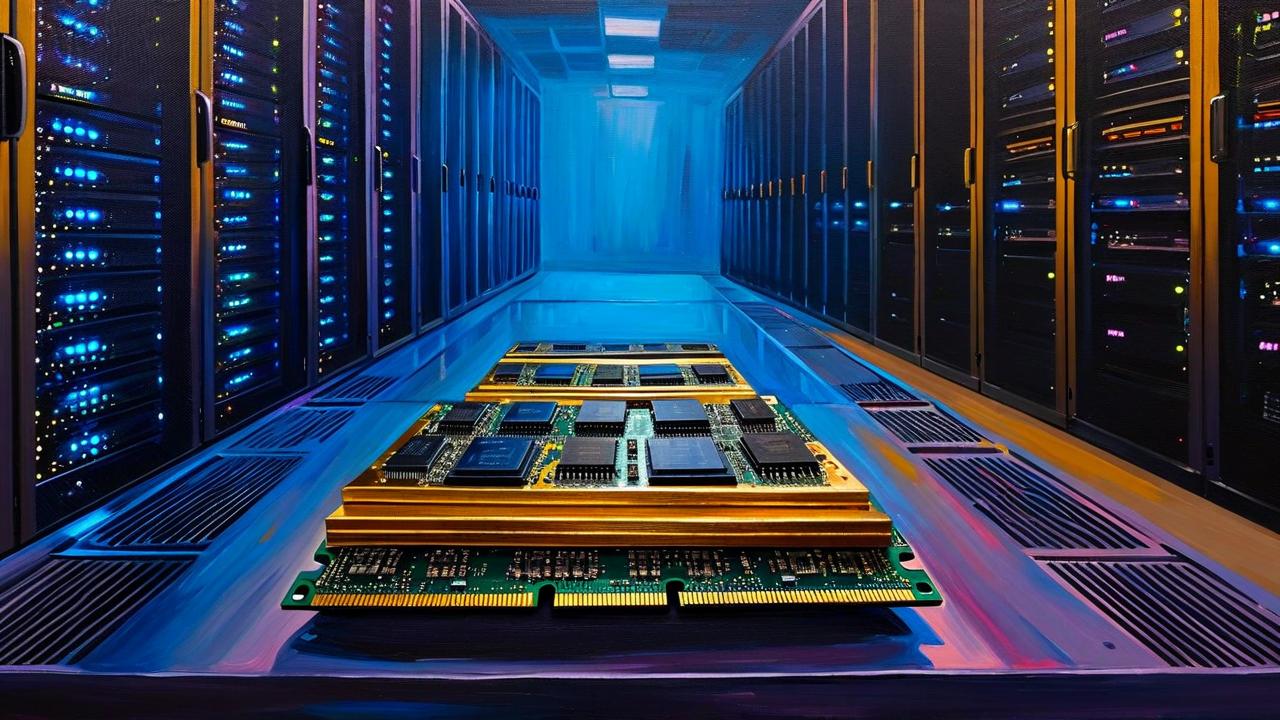
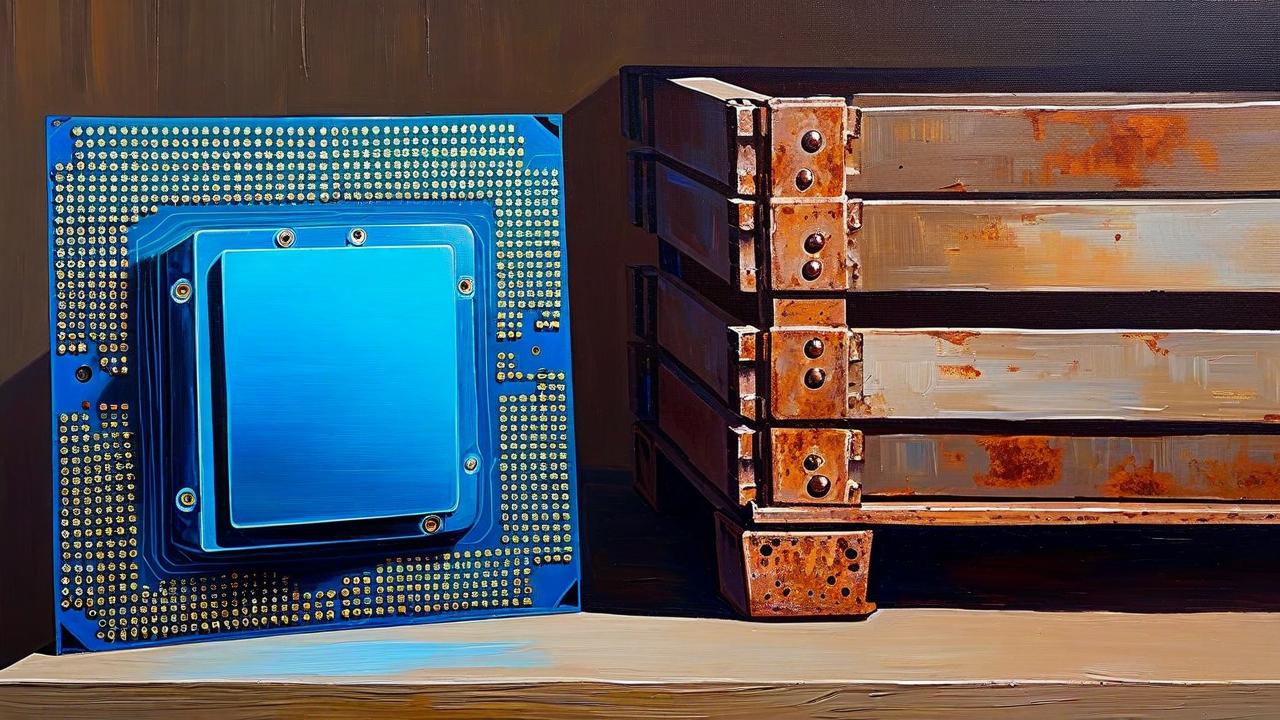
*this image is generated using AI for illustrative purposes only.
Memory chips now account for 50%-55% of semiconductor industry revenue, up from roughly 20%-30% historically, according to Susquehanna analyst Mehdi Hosseini.
Hosseini said Wednesday that memory has become the industry's new "king" as AI data centers demand more of it. He called memory the "primary driver" of semiconductor revenue growth, with total industry revenue on track to reach roughly $1.5 trillion this year.
AI Is Rewriting the Chip Spending Mix
The AI spending boom is no longer just about processors from Nvidia Corp. (NASDAQ: NVDA). Data centers also need huge amounts of DRAM to feed those chips with data and NAND to store it.
Research firm TrendForce says supply is still struggling to keep up. It expects DRAM and NAND to absorb 47% of major cloud providers' total capital spending this year, rising to 68% in 2027.
That helps explain why memory's share of the chip industry has surged. Market-research firm Omdia separately expects memory to account for more than half of total semiconductor revenue in 2026.
Micron Rides the Memory Boom
Micron Technology Inc. (NASDAQ: MU) is one of the clearest U.S.-listed beneficiaries.
Global DRAM revenue jumped 59.5% sequentially to $154.73 billion in the calendar second quarter, according to TrendForce. Micron's DRAM revenue rose 65.5% to $36 billion, giving it a 23.3% market share.
| Metric | Value |
|---|---|
| Global DRAM Revenue (Q2) | $154.73 billion |
| Global DRAM Revenue Growth | 59.5% sequentially |
| Micron DRAM Revenue | $36 billion |
| Micron DRAM Revenue Growth | 65.5% |
| Micron Market Share | 23.3% |
Micron has also begun high-volume shipments of HBM4, the high-bandwidth memory used alongside advanced AI processors.
CEO Sanjay Mehrotra said last month there is "no AI without memory," describing memory as the "strategic infrastructure of the AI era."
What the Numbers Show
Micron's DRAM revenue growth of 65.5% outpaced the global DRAM market growth of 59.5% in the calendar second quarter. This divergence suggests Micron is gaining share or benefiting from a higher mix of premium products like HBM4 relative to the broader market average.
Can Memory Stay King?
Memory has historically been highly cyclical, with high prices encouraging new supply that can eventually push prices lower. Competition is also increasing: Market-research firm Counterpoint Research estimates Chinese rival CXMT captured 10% of global DRAM revenue in the second quarter, up from 4% a year earlier.
Prediction traders still see Nvidia as the defining corporate winner from AI. Polymarket gives Nvidia a 79% chance of ending 2026 as the world's largest company in a market with about $6.95 million traded.
Hosseini's thesis suggests more of the spending underneath that Nvidia-led boom is flowing to memory suppliers. For Micron, the question is whether that shift can outlast the industry's old boom-and-bust cycle.

How might the rapid expansion of Chinese memory manufacturers like CXMT impact Micron's pricing power and market share in the long term?
Will the historical cyclical nature of the memory industry lead to a supply glut that could dampen AI-driven revenue growth by 2027?
To what extent will the transition to HBM4 and future memory standards alter the competitive landscape between Micron, Samsung, and SK Hynix?
 19
19





 Create Custom Screeners
  Access 200+ Pre-built Filters
  Use 50+ Readymade Screener





