Micron, SanDisk stocks rebound on AI demand, cheap valuations

scanx
Reviewed by
Ritika DScanX News Team
Key Highlights
  • Micron stock up 40% to $1,016; SanDisk up 73% to $1,740 from July lows
  • Micron Q3 revenue hit $41 billion; SanDisk revenue up 372% YoY to $9 billion
  • SanDisk signed contracts with 8 data center customers worth $94 billion at floor prices
  • Forward P/E ratios remain below sector median: Micron at 13.85, SanDisk at 8.13
powered bylight_fuzz_icon
50263219

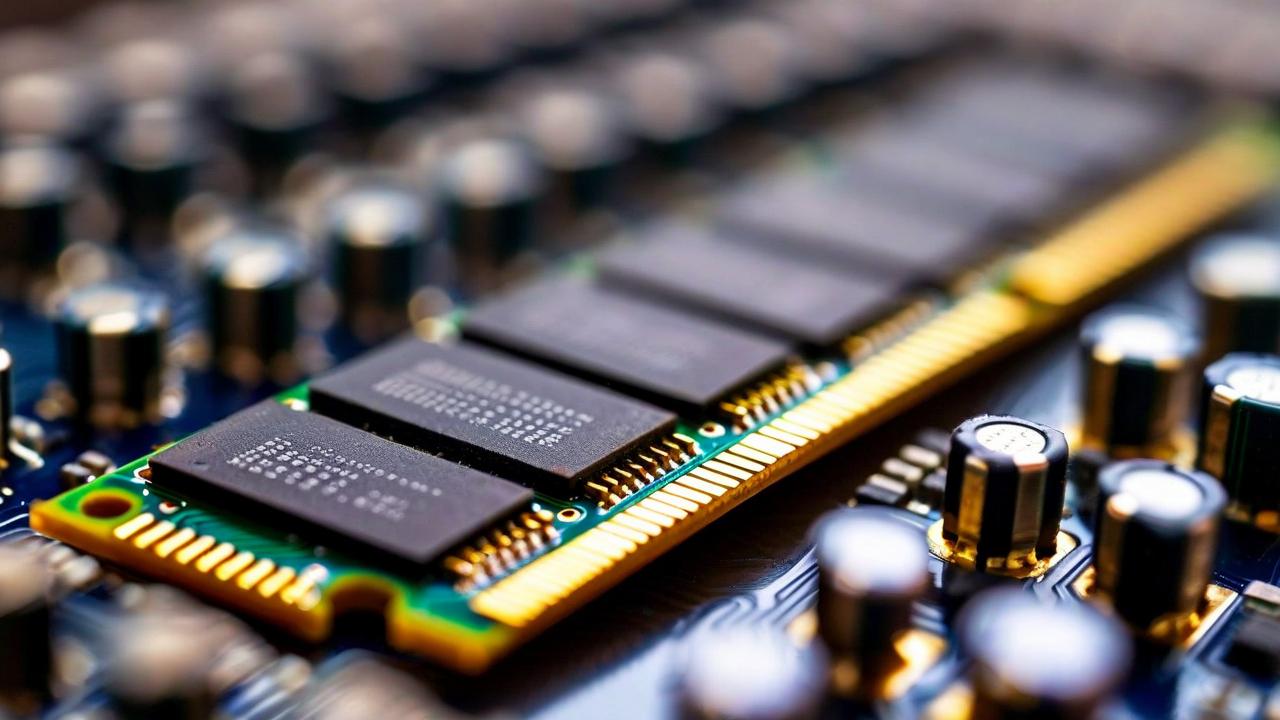
*this image is generated using AI for illustrative purposes only.

Memory stocks have rebounded over the past five weeks as investors bet on the continued artificial intelligence boom and persistent memory shortages.

Micron (NASDAQ: MU) has jumped to $1,016, up 40% from its July low, while SanDisk (NASDAQ: SNDK) has climbed to $1,740, up 73% from its own low. The Roundhill Memory ETF (CBOE: DRAM) gained 35% over the same period.

Earnings Drive Recovery

Recent earnings reports have reinforced investor confidence. Micron’s revenue jumped to $41 billion in the third quarter, with fourth-quarter figures expected to hit $50 billion. SanDisk reported revenue of $9 billion, up 372% year-over-year, with adjusted free cash flow hitting $5 billion.

Dell Technologies (NYSE: DELL) also reported strong numbers last week, with revenue soaring by over 50%. Major buyers of memory products, including hyperscalers Microsoft, Alphabet, Amazon, and Meta Platforms, along with neocloud companies Nebius and CoreWeave, have hinted that spending will continue.

Long-Term Contracts Reduce Risk

Memory companies are implementing strategies to reduce cyclical risk through long-term agreements. SanDisk disclosed signing contracts with eight data center customers, with minimum contracted revenue at floor prices totaling $94 billion.

Analysts expect revenue growth to continue. Micron’s annual revenue for the next financial year is expected to be $241 billion, a sharp increase from the $129 billion expected this year. SanDisk’s revenue is projected to move to $48 billion this fiscal year, a 141% increase from last year, followed by $57 billion next year.

Valuations Remain Attractive

Despite the rebound, memory companies trade at valuations lower than the S&P 500 Index. SanDisk has a forward price-to-earnings ratio of 8.13, significantly lower than the sector median of 23. Micron’s forward P/E ratio stands at 13.85, below the sector median of 22.

Other companies in the memory space, including Western Digital, Seagate Technologies, Samsung Electronics, and SK Hynix, also trade at comparable discounts. The rebound may continue as sector deleveraging completes, following the collapse of Situational Awareness in July and similar adjustments in South Korea.

What the Numbers Show

SanDisk’s forward P/E ratio of 8.13 is less than half the sector median of 23, indicating a significant valuation gap despite its reported 372% year-over-year revenue growth.

Disclaimer: This article is AI-generated using data from ViewTrade. ScanX is not liable for any inaccuracies.

How might the aggressive capital expenditure commitments from hyperscalers like Microsoft and Amazon impact memory pricing power in the next 12-18 months?

What are the potential risks if the projected $94 billion in long-term contracts with data center customers face renegotiation due to shifting AI infrastructure demands?

Could the significant valuation gap between memory stocks and the S&P 500 close rapidly, or do structural cyclical risks justify the continued discount?

like16
dislike

Micron, SanDisk jump as memory shortage outweighs Fed rate fears

scanx
Reviewed by
Ritika DScanX News Team
Key Highlights
  • Micron rose 5% and SanDisk jumped 8% despite a hot jobs report adding 162,000 positions
  • Fed hike odds for September climbed to 51% from 41%, pushing 2-year yields to 4.425%
  • Susquehanna forecasts DRAM prices up >50% and NAND up ~60% this quarter due to shortages
  • Chinese rival CXMT doubled DRAM share to 10%; YMTC NAND share rose to 14% from 9%
  • Gold miners fell ~1.9% as rates rose, contrasting with strength in memory chip stocks
powered bylight_fuzz_icon
50081247

*this image is generated using AI for illustrative purposes only.

Micron Technology Inc. (NASDAQ: MU) and SanDisk Corp. (NASDAQ: SNDK) rose sharply on Friday, defying broader market weakness triggered by a stronger-than-expected U.S. jobs report. The memory chip makers outperformed the S&P 500, which slipped 0.2%, as investors prioritized supply-driven pricing power over interest rate concerns.

The U.S. economy added 162,000 jobs in August, nearly triple the expected 56,000, while unemployment held at 4.1%. July payrolls were revised from a loss of 23,000 to a gain of 21,000. This data revived bets on Federal Reserve tightening, with the probability of a 25-basis-point September hike climbing above 50% to 51% on Polymarket, up from 41% prior to the release.

Memory Stocks Shrug Off Rate Scare

Despite the hawkish repricing, Micron rose 5% and SanDisk jumped 8% in early trading. The two-year Treasury yield increased from 4.34% to as high as 4.425%, causing gold miners to sell off sharply. Spot gold fell about 1.4%, and the VanEck Gold Miners ETF dropped roughly 1.9%, highlighting the divergence in memory stock performance.

Dell Technologies Inc. (NYSE: DELL) COO Jeff Clarke highlighted the severity of the supply constraint during the company’s earnings call, stating that shortages stretch across the semiconductor chain. He noted that demand for Dell’s servers continues to outrun supply, citing "DRAM, DRAM, DRAM, followed by NAND, NAND, NAND" as the primary bottleneck.

Metric Change/Level Source/Context
August Jobs Added 162,000 vs 56,000 expected
Unemployment Rate 4.1% Held steady
Sep Hike Odds 51% Up from 41%
2-Year Treasury Yield Up to 4.425% From 4.34%

Susquehanna expects DRAM contract prices to rise more than 50% this quarter, while NAND prices could climb about 60%. DRAM accounts for roughly three-quarters of Micron’s revenue, while SanDisk is heavily exposed to NAND flash storage. Northlight Asset Management CIO Chris Zaccarelli suggested that optimism around the AI build-out and strong corporate earnings may currently outweigh changes in Fed policy for investor sentiment.

What the Numbers Show

The market’s reaction reveals a distinct decoupling between macro-sensitive assets and supply-constrained tech stocks. While gold miners fell roughly 1.9% due to rising yields, Micron and SanDisk posted double-digit percentage gains relative to their pre-report levels. This divergence suggests that immediate revenue visibility from price hikes—projected at over 50% for DRAM—is currently viewed by investors as a more potent driver of near-term earnings than the cost of capital implied by a 51% probability of a rate hike.

Memory Shortage Outweighs China Concerns

Friday’s surge followed a muted Thursday, when Micron gained just 0.22% and SanDisk 0.10% despite a 1.4% Nasdaq rally. On Thursday, concerns over Chinese rivals gaining market share weighed on sentiment. CXMT doubled its DRAM revenue share to 10% from 4% a year earlier, while YMTC’s NAND share climbed to 14% from 9%.

Investors now await the August CPI data on September 11 and the Fed’s September 16 decision to test whether memory stocks can sustain their momentum against potential inflation-driven rate expectations.

Disclaimer: This article is AI-generated using data from ViewTrade. ScanX is not liable for any inaccuracies.

How might the projected 50-60% surge in DRAM and NAND contract prices impact the gross margins of downstream server manufacturers like Dell Technologies?

Will the anticipated September 16 Fed rate hike trigger a broader rotation out of growth stocks, or will supply-constrained memory makers continue to decouple from macro headwinds?

To what extent could escalating U.S. tariffs or export restrictions on Chinese memory rivals CXMT and YMTC alter the competitive landscape for Micron and SanDisk?

like18
dislike

More News on Micron Technology Inc