

Micron faces Taiwan strike risk as AI demand tightens memory supply


- Micron Taiwan employees voted 80% in favor of a potential strike over compensation
- AI demand keeps memory supply tight with major manufacturers operating at capacity
- President Trump praised Micron's $10 billion U.S. research investment plan
- Analysts estimate FY26 EPS at $31.26, up from $3.03 in the prior year
- Stock carries a Buy rating with an average price target of $1521.74



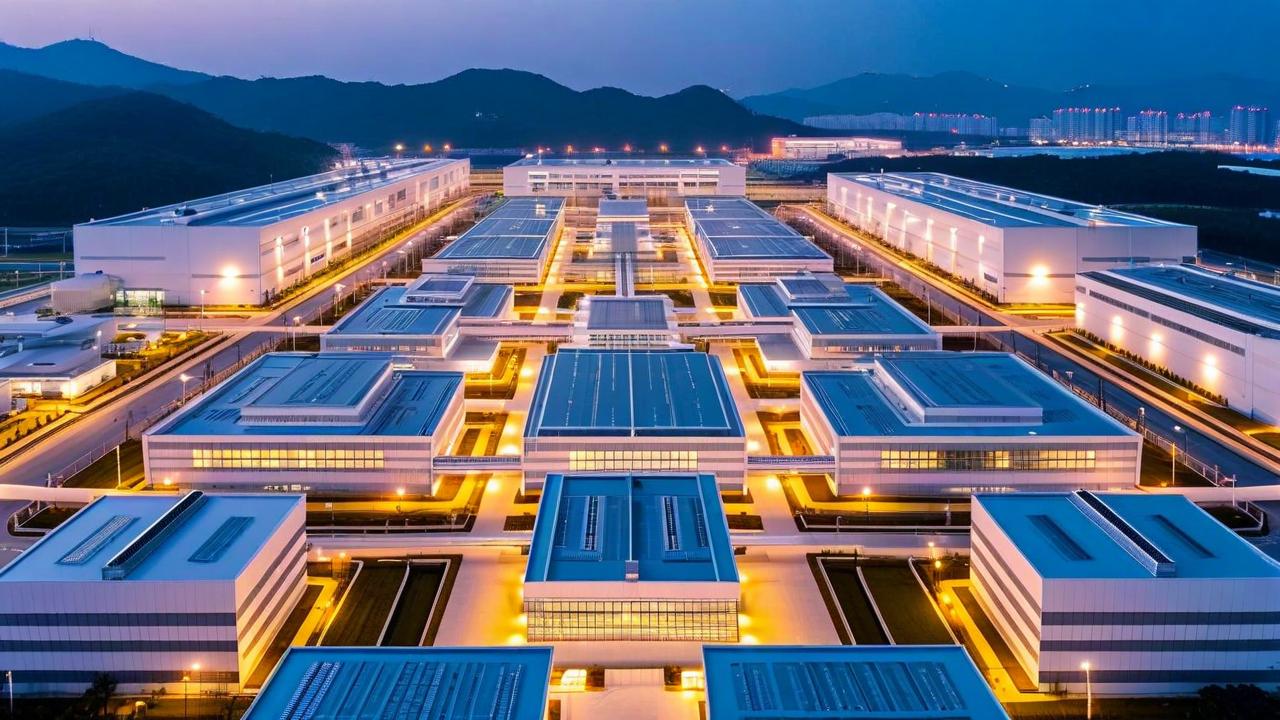
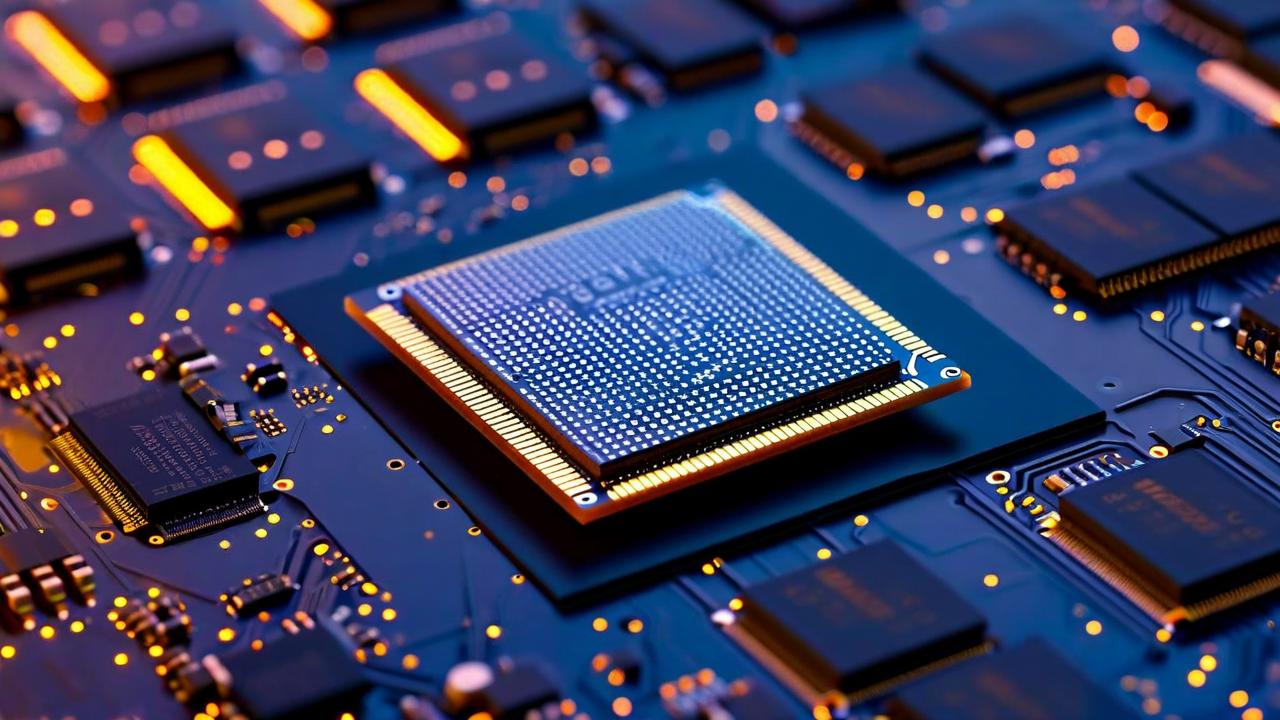
*this image is generated using AI for illustrative purposes only.
Micron Technology Inc (NASDAQ: MU) shares fell 1.43% to $920.06 in premarket trading on Wednesday. The decline follows reports of a potential labor strike at its Taiwan plants amid strong global demand for memory chips driven by artificial intelligence.
Labor Dispute in Taiwan
Employees at Micron’s Taoyuan and Taichung plants voted on a union strike plan, with about 80% supporting the proposal. The dispute centers on compensation, though Micron Taiwan stated it will distribute its largest-ever employee bonuses. The company plans to unveil details of its Incentive Pay Plan in October.
Industry sources warned that a strike could further tighten global memory supplies at a time when demand already exceeds available supply. Micron Taiwan said it will continue communicating with workers while complying with applicable laws.
AI Demand and Supply Constraints
Artificial intelligence continues to drive stronger global demand for memory chips, pushing prices higher. Former Nvidia Corp executive Jeff Herbst said AI computing demand outpaces memory supply. He noted that Samsung Electronics Co Ltd, SK Hynix Inc, and Micron are operating at capacity.
Herbst highlighted that new fabrication plants take years to build, which he expects will keep memory prices elevated. Nvidia has secured long-term supply agreements with all three major memory manufacturers.
U.S. Expansion and Tariff Risks
President Donald Trump praised Micron’s U.S. expansion even as his administration considers new semiconductor tariffs. These potential tariffs could extend to laptops, gaming consoles, and data center servers. Trump called Micron one of the "hottest" companies in the world after it announced a new $10 billion U.S. research investment.
He also highlighted Micron’s earlier $250 billion commitment to domestic manufacturing. Technology companies have warned that potential tariffs could raise costs and slow AI infrastructure expansion. Micron is the only U.S.-based manufacturer of high-bandwidth memory, which the administration views as important to domestic AI supply-chain security.
Earnings Outlook and Analyst Views
The next major catalyst for the stock is the earnings report for the period ending September 30, 2026. Analysts estimate earnings per share of $31.26, up from $3.03 year-over-year. Revenue estimates stand at $50.78 billion, compared to $11.31 billion in the prior year.
| Metric | Estimate | Prior Year | Change |
|---|---|---|---|
| EPS | $31.26 | $3.03 | Up |
| Revenue | $50.78 Billion | $11.31 Billion | Up |
Micron stock carries a Buy rating with an average price forecast of $1521.74. Recent analyst actions include:
- Mizuho: Outperform, lowers forecast to $1300.00 (August 25)
- New Street Research: Upgraded to Buy, forecast $1250.00 (August 14)
- Citigroup: Buy, lowers forecast to $1150.00 (August 7)
ETF Exposure
Micron holds significant weight in several key technology and momentum funds:
- Invesco S&P 500 Momentum ETF (NYSE: SPMO): 9.81% Weight
- State Street SPDR NYSE Technology ETF (NYSE: XNTK): 8.14% Weight
- SMART Earnings Growth 30 ETF (NYSE: SGRT): 9.67% Weight
Because MU carries such heavy weight in these funds, any significant inflows or outflows for these ETFs will likely force automatic buying or selling of the stock.

How might a prolonged strike at Micron's Taiwan facilities impact the delivery timelines for high-bandwidth memory to key AI infrastructure partners like Nvidia?
Could the implementation of new semiconductor tariffs on data center servers offset the competitive advantage gained by Micron's domestic manufacturing expansion?
Given the multi-year timeline for new fabrication plants, how likely is it that memory chip prices will remain elevated through the next fiscal year despite potential supply increases?
 15
15









 Access Market Heat-map & Insights
  Create, Save & Share your Screener
  Use 200+ Screening Filters





