

Micron stock falls 2.5% as Nvidia warns of extreme memory price hikes


- Micron Technology (NASDAQ: MU) stock fell 2.50% to $914.92 amid profit-taking after a 189.28% year-to-date gain
- Nvidia warned of extreme memory pricing conditions, expecting prices to rise further into next year
- Nvidia’s Q2 revenue reached $96 billion, but memory costs may push gross margins down to 71%-72% by Q4
- Trump administration is reportedly considering new semiconductor tariffs, raising AI leadership concerns
- Micron stock trades 4.8% below its 50-day SMA, indicating short-term bearish crossover



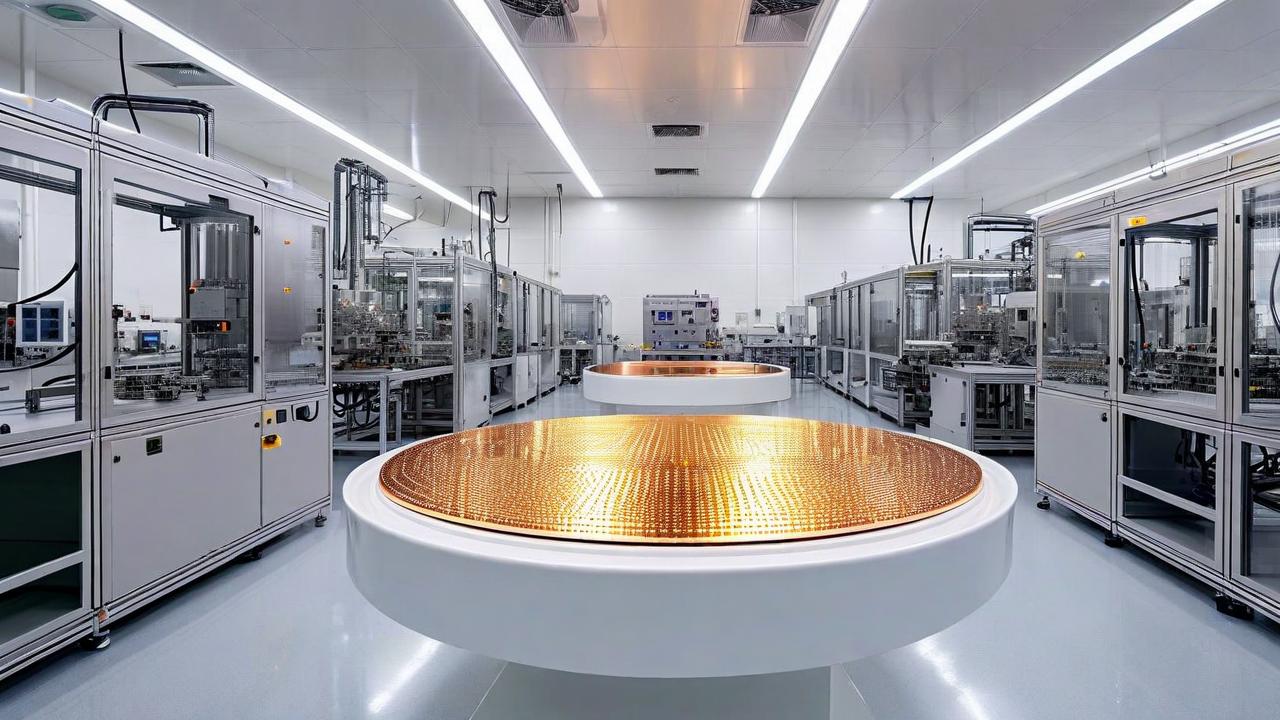
*this image is generated using AI for illustrative purposes only.
Micron Technology Inc. (NASDAQ: MU) shares fell 2.50% to $914.92 on Thursday, driven by widespread profit-taking and a "sell the news" reaction following Nvidia Corp.’s earnings report.
The decline comes despite the Nasdaq rising 1.26% and the S&P 500 gaining 0.79%. Investors locked in gains after Micron stock surged 189.28% year-to-date.
Nvidia Highlights Memory Supply Constraints
Nvidia highlighted that extreme memory constraints will continue to drive up prices. Colette Kress, chief financial officer of Nvidia, stated that the company is facing "extreme pricing conditions in memory." She added that the magnitude of the price increase has exceeded prior expectations and is headed even higher into next year.
Nvidia buys high-bandwidth memory from suppliers, mainly Micron, SK Hynix Inc. (NASDAQ: SKHY) and Samsung Electronics.
Additionally, the Trump administration is reportedly considering new semiconductor tariffs, raising concerns among tech companies about the potential impact on U.S. leadership in AI.
Margin Pressures Across The AI Supply Chain
Nvidia reported $96 billion in second-quarter revenue, more than double the year-earlier figure. However, soaring memory costs will push Nvidia’s gross margins from 75% in the second quarter to 71%–72% in the fourth quarter.
CEO Jensen Huang noted that demand is growing about 100% next year, but supply limits revenue growth to roughly 70%, stating, "The unconstrained would be a lot higher."
What the Numbers Show
The divergence between Nvidia’s demand growth and supply-constrained revenue growth highlights the bottleneck in memory supply. While demand is projected to grow 100%, revenue growth is capped at roughly 70% due to supply limits. This constraint drives up prices, impacting gross margins which are expected to contract from 75% to 71%–72%.
Technical Analysis
MU is in a strong longer-term uptrend, up 674.24% over the past 12 months and still trading 55.7% above its 200-day SMA ($584.91). The near-term picture is choppier, with the stock 4.8% below its 50-day SMA ($956.74) and the 20-day SMA sitting below it, a bearish short-term crossover that can keep rallies capped.
Momentum is best read through RSI, which is neutral at 48.29.
Key turning points help frame the current setup: the stock logged a swing high and a 52-week high in June, then printed a swing low in July, and it also broke below support in August—consistent with a cooling phase after a big run.
| Metric | Value |
|---|---|
| Key Resistance | $1012 |
| Key Support | $891.50 |
| RSI | 48.29 |
| 200-day SMA | $584.91 |
| 50-day SMA | $956.74 |

How might the proposed Trump administration semiconductor tariffs impact Micron's competitive advantage against SK Hynix and Samsung in the global memory market?
Will the projected contraction in Nvidia's gross margins to 71%–72% signal a broader margin compression across the entire AI hardware supply chain for 2025?
Given the persistent memory supply constraints, are Micron, SK Hynix, and Samsung likely to accelerate capacity expansion plans, or will they prioritize maintaining high pricing power?
 16
16












 Access Market Heat-map & Insights
  Create, Save & Share your Screener
  Use 200+ Screening Filters





