

Apple launches AirPods 5, Watch Ultra 4; Counterpoint sees strong upgrade demand


- Apple launched AirPods 5, Watch Ultra 4, and Series 12 with enhanced health sensors and ANC
- Prices remain unchanged at $399 for Series 12 and $799 for Ultra 4
- Counterpoint cites strong upgrade demand due to WatchOS 27 dropping support for Series 7/8
- Apple's global smartwatch market share rose to 20.1% from 17% in Q2
- Health features expected to drive near-term adoption more than AI capabilities

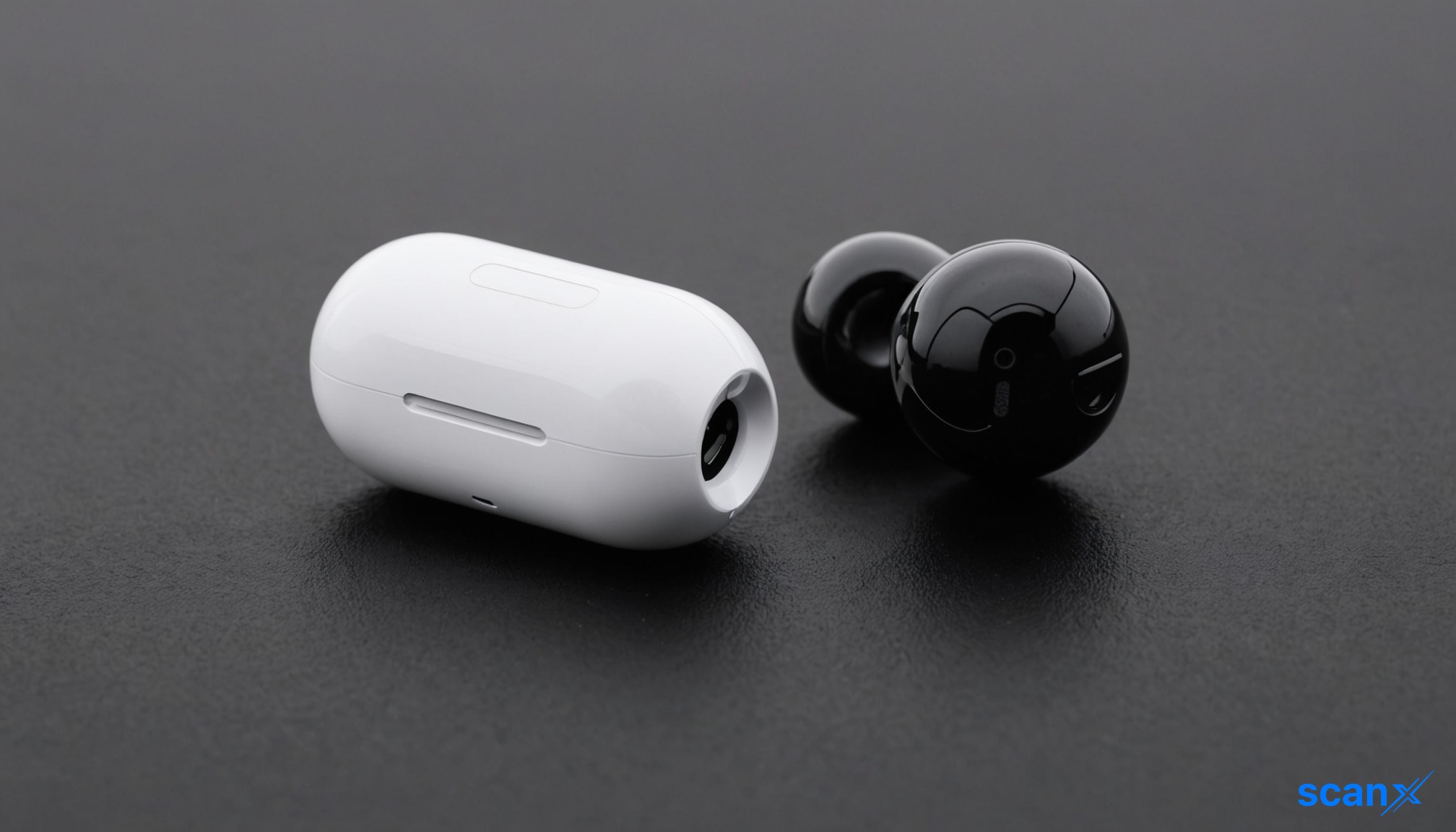

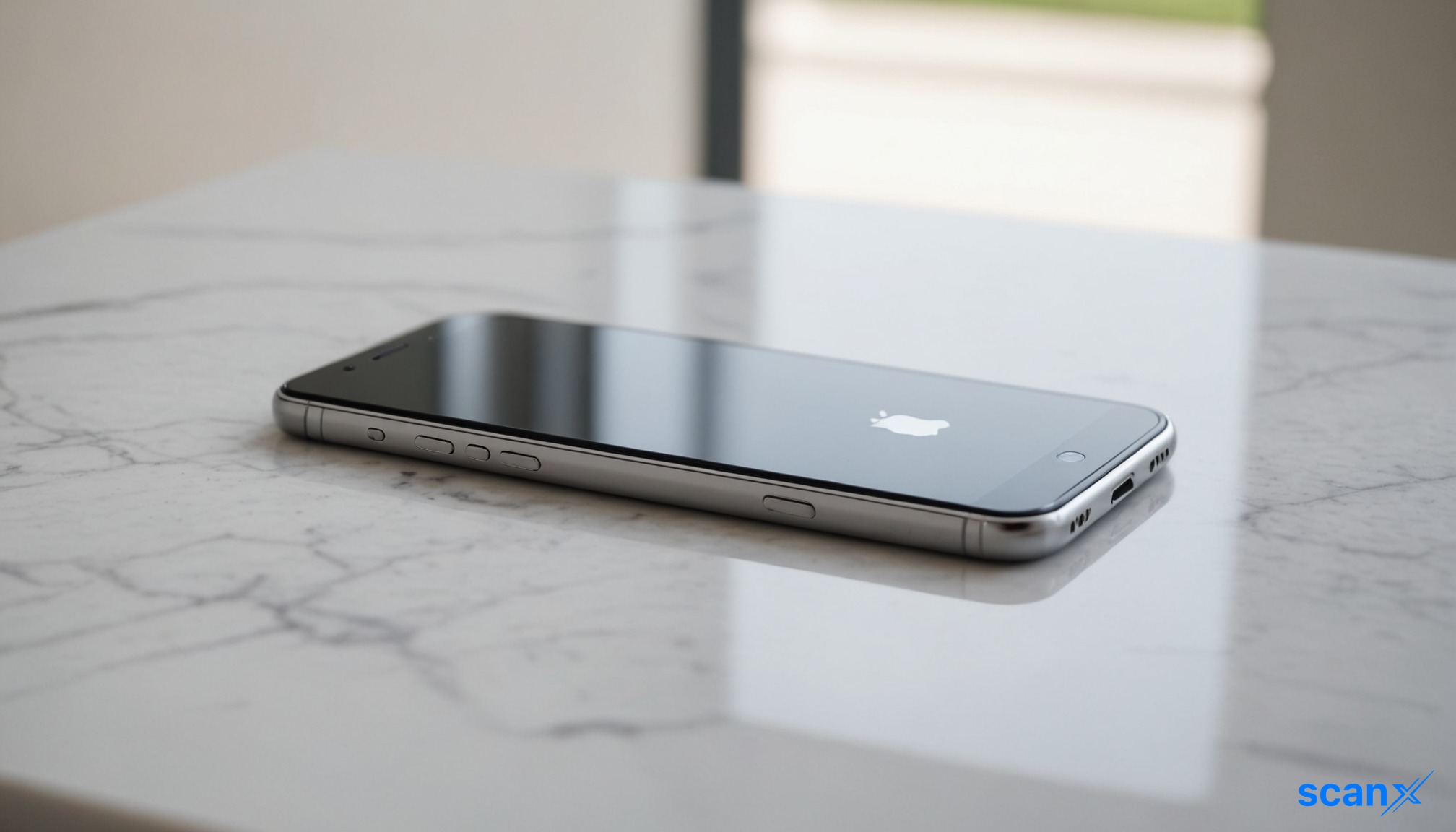
*this image is generated using AI for illustrative purposes only.
Apple Inc. (NASDAQ: AAPL) unveiled the AirPods 5, Apple Watch Ultra 4, and Apple Watch Series 12 on Wednesday. The new products feature enhanced noise cancellation and advanced health sensors. Counterpoint Research suggests these updates could drive stronger upgrade demand in a shrinking global smartwatch market.
AirPods 5 Features
The AirPods 5 offer five hours of Active Noise Cancellation (ANC). Both budget and high-end variants include this support. Apple stated that the device provides 50% more noise reduction compared to the AirPods 4. This improvement stems from redesigned internals and a next-generation EQ.
Battery life reaches up to 20 hours with the case. The company claims these earbuds offer the best ANC in the industry for open-ear designs. Additional features include hands-free Siri access and Live Translation.
The higher-end version features a longer stem design similar to the AirPods Pro 3. It includes on-stem voice control and a wireless charging case.
Pricing and Availability
| Model | Price | Pre-order Status |
|---|---|---|
| AirPods 5 (Standard) | $129 | Available today |
| AirPods 5 (High-end) | $149 | Available today |
Shipping for both variants begins on Sept. 18.
Apple Watch Updates
Apple updated its smartwatch lineup with the Watch Ultra 4 and the Watch Series 12. Both devices utilize an all-new health sensing system. The electrode surface area has been increased to improve skin contact during ECG recordings.
The new watches can check heart rates 60 times more frequently than the previous generation. This capability is aided by more power-efficient green LEDs. Apple stated that tests show the new devices have the most accurate heart sensing in a wearable currently.
Both models are powered by the new S11 chip. The Watch Ultra 4 offers up to 50 hours of battery life on a single charge. This is an increase from the Watch Ultra 3’s 42 hours of battery life.
Pricing and Availability
| Model | Starting Price | Shipping Date |
|---|---|---|
| Apple Watch Ultra 4 | $799 | Sept. 18 |
| Apple Watch Series 12 | $399 | Sept. 18 |
Pre-orders for both watches are available immediately.
Market Context and Analyst View
Counterpoint Research analyst George Lesniak said the launch primarily targets Apple’s existing Watch users rather than customers switching from rival brands. The upgrade case could be particularly strong for owners of older models. WatchOS 27 drops support for models older than the Series 9. As a result, Series 7 and Series 8 users will need newer hardware to access the latest Siri and health features.
Counterpoint also sees pent-up demand supporting fourth-quarter sales. Global smartwatch shipments fell 4% year over year in the second quarter. However, Apple’s shipments climbed 14%, the fastest growth among the five largest brands. Its global market share increased to 20.1% from 17%.
Lesniak expects health and sensing features to drive near-term adoption more than AI. The new readiness score combines several health signals into simple recommendations, strengthening Apple’s push to make the Watch a daily health companion. Meanwhile, some Audio Intelligence features remain limited. Live Rewind and Siri Recap are slated for late-2026 beta releases, are English-only and will not launch in the European Union initially. Counterpoint therefore views AI as more of a 2027 demand catalyst.
Counterpoint also highlighted Apple’s decision to hold prices steady. The firm said the combination of a new chip, upgraded sensors and unchanged entry prices could help protect Apple’s mainstream smartwatch volumes. Apple is also stepping up competition with Garmin Ltd. (NYSE: GRMN), Oura and Whoop in health and recovery tracking. Counterpoint said the new readiness and heart-rate variability features strengthen Apple’s pitch to athletes, a segment where Garmin and smart-ring makers have gained traction. Garmin’s smartwatch shipments rose 11% year over year in the second quarter.
Stock Performance
Apple stock traded slightly lower during Friday’s premarket session. The move came despite a firmer broader market, with Nasdaq futures up 0.56% and S&P 500 futures gaining 0.55%. Apple shares were down 0.17% at $326.02 during premarket trading on Friday.
Apple remains in a longer-term uptrend. The stock trades about 14.4% above its 200-day simple moving average of $284.65 and 6.9% above the 100-day average of $304.73. However, its 20-day average of $315.28 remains below the 50-day average of $317.22, signaling some short-term caution. Momentum has improved, with MACD above its signal line and a positive histogram. Traders may watch $335 as nearby resistance and $300.50 as key support.
Wall Street has a Buy consensus rating on Apple, with an average price forecast of $334.94. TD Cowen maintained Buy with a $400 price forecast Thursday, while Rosenblatt maintained Neutral at $303. Bank of America Securities maintained Buy but lowered its price forecast to $370.

How might the delayed rollout of AI features like Live Rewind and Siri Recap until late-2026 impact Apple's competitive positioning against rivals launching AI-integrated wearables sooner?
Could the discontinuation of support for Series 7 and 8 watches via WatchOS 27 trigger a significant short-term sales spike, or will budget-conscious consumers opt for Android alternatives?
What is the potential impact on Garmin's market share in the athlete segment given Apple's new readiness scores and heart-rate variability features targeting fitness enthusiasts?
 18








 Create Custom Screeners
 Access 200+ Pre-built Filters
 Use 50+ Readymade Screener





