Uttar Pradesh Real Estate Investment Surges 53% to ₹69,000 Crore in 2025

2 min read     Updated on 21 Jan 2026, 06:09 PM
scanx
Reviewed by
Jubin VScanX News Team
Overview

Uttar Pradesh's real estate sector achieved ₹69,000 crore investment in 2025, representing 53% growth from previous levels. The state approved 308 RERA projects and constructed 85,000 housing units, attracting major developers from South India, Maharashtra, and Karnataka. Development has expanded beyond NCR to cities like Ayodhya, where land rates reached ₹1.00 lakh per square foot, supporting the state's economic growth objectives.

30544755

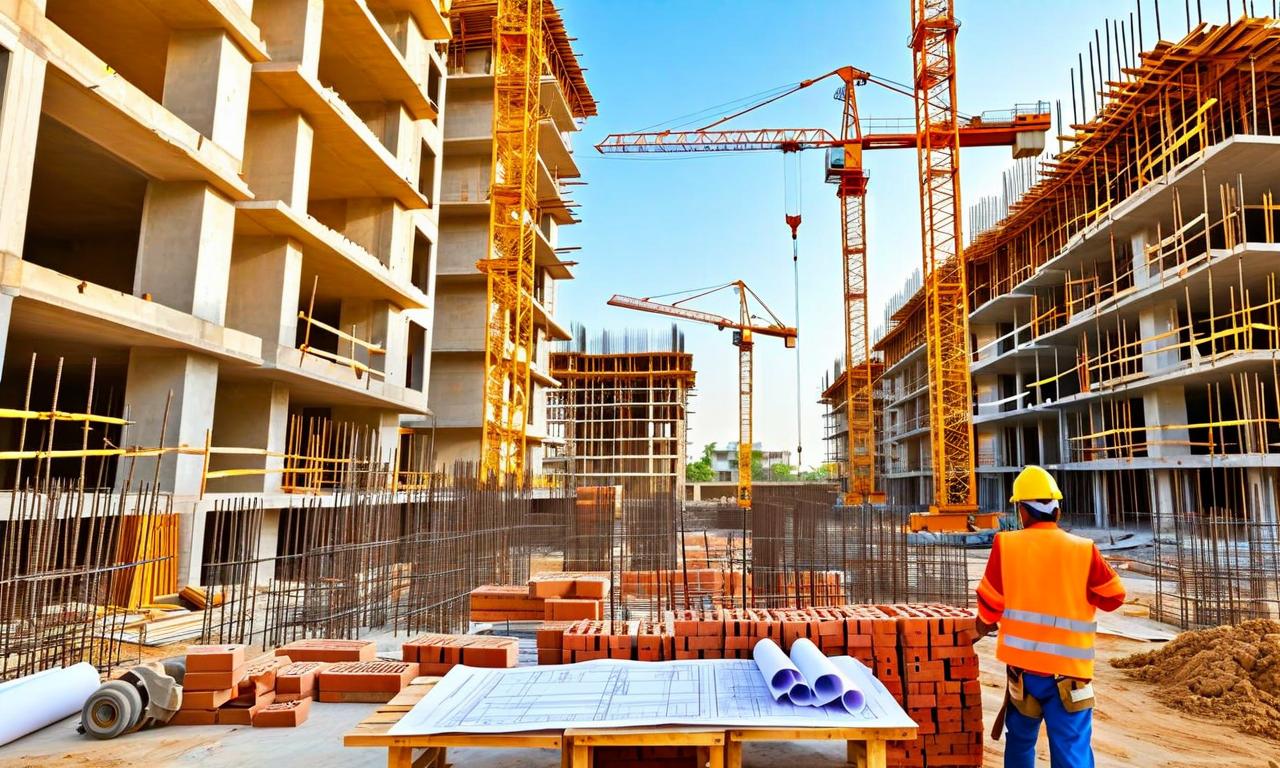
*this image is generated using AI for illustrative purposes only.

Uttar Pradesh's real estate sector has experienced unprecedented growth in 2025, with total investments reaching ₹69,000 crore, marking a substantial 53% increase that reflects the state's growing appeal to developers nationwide. UP RERA Chairman Sanjay R Bhoosreddy announced these figures at the ICC Real Estate Summit 2026 in New Delhi, highlighting the sector's robust expansion trajectory.

Investment Growth Trajectory

The state's real estate investment journey shows consistent upward momentum across recent years. The following table illustrates the remarkable growth pattern:

Year: Investment Amount Growth Rate
2023: ₹29,000 crore Base year
2024: ₹45,000 crore 55.17% increase
2025: ₹69,000 crore 53.33% increase

This investment represents funding by real estate promoters and developers, demonstrating sustained confidence in the state's market potential and regulatory environment.

Project Approvals and Construction Activity

RERA project approvals have consistently exceeded expectations, with the regulatory body sanctioning 308 projects in 2025 against an anticipated 300. This represents a 20% increase from the 259 projects approved in 2024 and a significant jump from 197 projects sanctioned in 2023.

Construction activity has shown equally impressive growth:

Parameter: 2023 2024 2025
Units Constructed: 25,500 65,500-70,000 85,000
RERA Projects Approved: 197 259 308

Geographic Expansion and Developer Interest

The state is attracting developers from diverse regions, with major companies from South India, Maharashtra, and Karnataka establishing operations in Uttar Pradesh. Bhoosreddy noted that prominent national real estate companies are now actively investing in the state, expanding beyond traditional markets.

Development activity has spread across multiple cities beyond the Delhi-NCR region, including:

  • Tier-II Cities: Agra, Bareilly, Moradabad, Varanasi, Prayagraj
  • Emerging Markets: Ayodhya, Jhansi, Kanpur, Aligarh, Gorakhpur
  • Growing Centers: Azamgarh, Devi Patan, Mirzapur

Ayodhya has emerged as a particularly high-value market, with land rates reaching ₹1.00 lakh per square foot, reflecting the city's growing commercial significance.

Regulatory Efficiency

UP RERA has streamlined its approval process to support rapid development, offering RERA registration within a minimum timeframe of 4 days when developers provide complete documentation. The maximum processing time remains capped at 30 days, ensuring predictable timelines for project approvals.

Economic Impact and Future Outlook

The real estate sector's growth aligns with broader economic objectives, as Bhoosreddy emphasized the sector's role in accelerating both national and state GDP growth. The development supports India's goal of achieving a USD 5 trillion economy while contributing to Uttar Pradesh's target of reaching a USD 1 trillion state economy.

Rajeev Singh, Director General of the Indian Chamber of Commerce, observed a structural shift in market demand, with affordable housing segments giving way to luxury developments driven by higher incomes and evolving lifestyle preferences. This trend particularly benefits Tier-I cities while creating new opportunities in Tier-II markets, with consumers increasingly seeking larger, wellness-focused homes with comprehensive amenities.

like17
dislike

Real Estate Developers Eye Budget 2026 for Tier-II City Growth and Premium Housing Support

3 min read     Updated on 15 Jan 2026, 12:52 PM
scanx
Reviewed by
Riya DScanX News Team
Overview

Real estate developers anticipate Budget 2026 will support the sector's shift toward Tier-II cities and premium housing segments. Industry leaders expect policies promoting infrastructure spending, homebuyer tax incentives, and affordable housing measures to drive growth in emerging markets like Sonipat. The premium segment seeks sophisticated policies including revised capital gains limits and ESG development support.

30007339

*this image is generated using AI for illustrative purposes only.

As the Union Budget 2026 approaches on February 1, India's Real Estate Sector is experiencing a strategic shift beyond traditional metros, placing increased emphasis on Tier-II cities and premium housing segments. Developers anticipate the upcoming budget will play a defining role in shaping demand patterns, investment flows, and long-term sector sustainability.

Tier-II Cities Emerge as Growth Drivers

Industry leaders report that India's housing momentum is increasingly driven by Tier-II cities, which offer an attractive combination of affordability, improving infrastructure, and expanding employment opportunities. Rajat Bokolia, CEO of Newstone, identifies cities such as Sonipat as strong real estate investment destinations within the NCR ecosystem.

Connectivity and Infrastructure Developments:

  • RRTS (Regional Rapid Transit System) expansion
  • Metro extensions
  • UER-II (Upper Eastern Ring Road-II)
  • Sonipat Master Plan 2031 implementation

Bokolia notes that compared to established markets like Gurugram or Noida, Sonipat offers more affordable pricing while benefiting from industrial growth and job creation. From a policy perspective, he expects Budget 2026 to consider raising affordable housing price limits, increasing home loan tax deductions, and rationalising GST or stamp duties.

Abhay Mishra, President & CEO of Jindal Realty, emphasizes that the government must formally acknowledge this structural shift. "India's housing growth is no longer metro-centric. Tier-II cities are now leading the next phase, supported by stable prices and strong infrastructure," Mishra states. He expects Budget 2026 to prioritise urban infrastructure spending, homebuyer tax support, and affordable housing incentives.

Infrastructure-Led Development and Policy Expectations

Developers operating across multiple geographies highlight that Tier-II and Tier-III cities now compete with metros on lifestyle, amenities, and project quality while maintaining significantly lower costs. Yashank Wason, Managing Director of Royal Green Realty, describes the upcoming budget as a critical opportunity to reinforce this trend.

Development Advantages: Tier-II Cities
Project Type: Infrastructure-led developments
Housing Options: Larger homes with superior amenities
Pricing: Reasonable compared to metros
Target Market: Both end-users and investors
Developer Interest: Large developers entering non-metro markets

Wason explains that these cities offer infra-led projects, larger homes, and superior amenities at reasonable prices, attracting both end-users and investors. The industry seeks further tax incentives, clearer GST norms, and continued policy stability to ensure long-term investor confidence.

Premium Housing Segment Seeks Policy Sophistication

While Tier-II growth dominates one market segment, the premium and luxury real estate sector has distinct expectations from Budget 2026. Navdeep Sardana, Founder of Whiteland Corporation, notes the focus has shifted from basic tax benefits to fiscal maturity and capital efficiency.

Following strong absorption in office and premium residential segments in 2025, the industry seeks policy measures supporting high-value transactions. A key demand from ultra-high-net-worth individuals (UHNI) involves re-evaluating the ₹10.00 crore cap on capital gains reinvestment under Sections 54 and 54F.

Premium Segment Expectations:

  • Increased capital gains reinvestment limits
  • ESG-compliant luxury development incentives
  • Smart housing technology support
  • Green financing incentives or tax credits

Financing and Investment Flow Improvements

Access to capital remains a critical concern for developers. The industry hopes Budget 2026 will introduce policies simplifying financing, improving liquidity, and lowering capital access barriers for credible players. Sardana adds that for NRI investors, further TDS rationalisation on property sales could significantly enhance foreign inflows into India's residential market.

Policy Area: Expected Measures
Domestic Financing: Simplified access and improved liquidity
International Investment: TDS rationalisation for NRI property sales
Market Segment: Residential real estate focus for 2026
Growth Impact: Enhanced capital movement support

Budget 2026: Shaping the Next Growth Cycle

Industry expectations from Budget 2026 reflect a Real Estate Sector at an inflection point. Tier-II cities are emerging as the next growth frontier, driven by infrastructure development, affordability, and lifestyle improvements. Simultaneously, premium and luxury housing segments seek policy sophistication to support high-value transactions and sustainable development.

Developers believe that if Budget 2026 successfully balances homebuyer incentives, infrastructure spending, financing reforms, and ESG-driven growth measures, it could establish the foundation for a sustained, stable growth cycle in Indian real estate, with Tier-II cities positioned as core drivers of this expansion.

like19
dislike
More News on Real Estate Sector
Explore Other Articles