
 NewsReal estate sector seeks GST clarity, affordability measures and infrastructure push in Budget 2026
Real estate sector seeks GST clarity, affordability measures and infrastructure push in Budget 2026


India's real estate sector is seeking comprehensive reforms in Union Budget 2026, focusing on GST rationalisation, enhanced home loan tax deductions, and clearer affordable housing policies. Industry leaders across residential and commercial segments are calling for infrastructure investment, simplified compliance procedures, and REIT-friendly regulations to sustain growth momentum. The sector expects measures to support Tier II and Tier III cities, promote sustainable development, and address rising construction costs while maintaining strong market fundamentals.

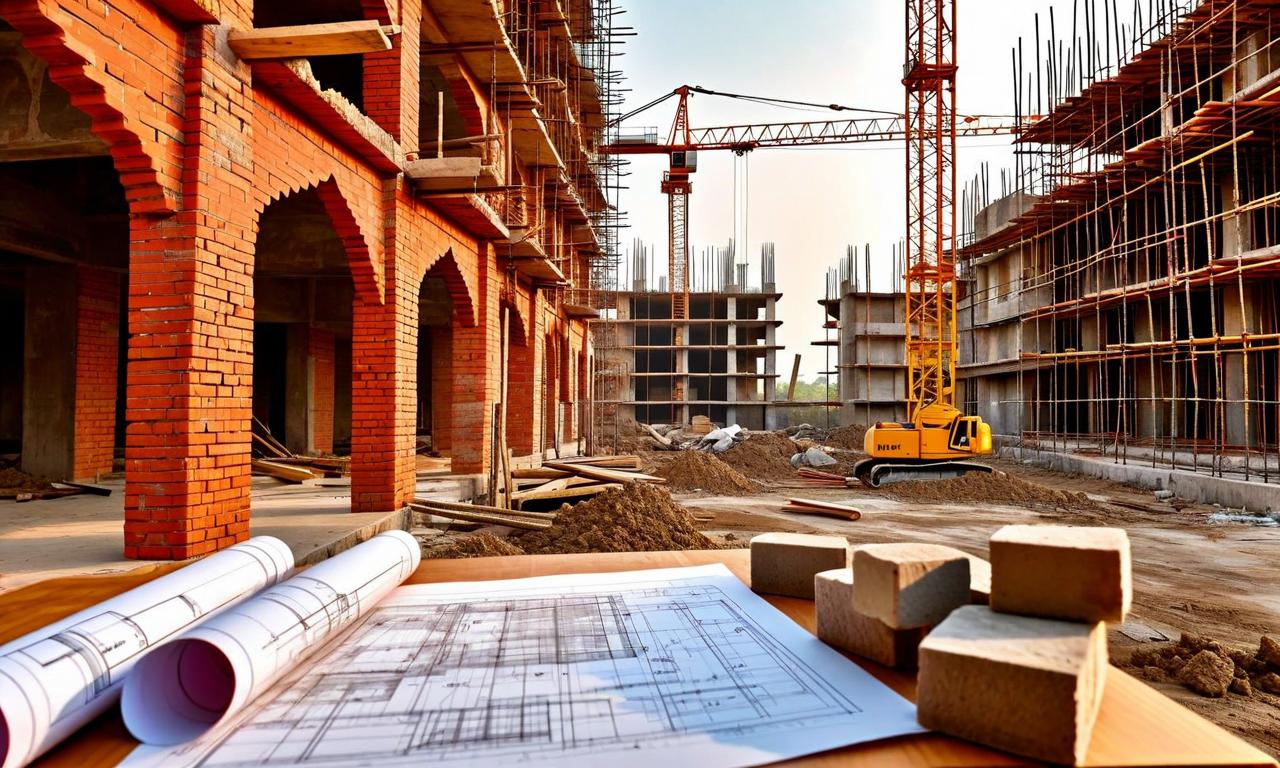

*this image is generated using AI for illustrative purposes only.
As Union Budget 2026 approaches, India's real estate and housing ecosystem is seeking comprehensive policy reforms to address affordability challenges, tax complexities, and infrastructure development needs. Industry leaders across residential, commercial, and emerging asset classes are calling for future-oriented measures that can sustain growth momentum while addressing sector-specific challenges.
Key Policy Expectations and Tax Reforms
The sector's primary focus remains on GST rationalisation and enhanced tax benefits for homebuyers. Sheeshram Yadav, Managing Director of Yugen Infra, emphasised the industry's expectation for tax breaks, improvements in the credit-linked subsidy framework, and a simplified GST structure. The sector is particularly seeking lower GST rates on luxury housing to boost buyer sentiment and attract long-term investment.
| Priority Area | Expected Measures |
|---|---|
| GST Structure | Rationalisation on under-construction properties and input materials |
| Home Loan Benefits | Higher tax deductions on interest payments |
| Affordable Housing | Clearer norms and revised definitions |
| Compliance | Single-window clearances for faster approvals |
Harsh Gupta, Founder of Sipyatrra, highlighted investor expectations for capital gains tax rationalisation, especially on long-term equity and digital investment products. The sector is also seeking clearer regulations around alternative investment assets to strengthen trust and deepen India's investment culture.
Infrastructure Development and Regional Growth
Tier II and Tier III cities have emerged as significant growth drivers, with industry leaders emphasising their potential to compete with metropolitan markets. Yashank Wason, Managing Director of Royal Green Realty, noted that these markets are offering infrastructure-led projects, better amenities, and comparatively affordable pricing.
Rajat Bokolia, CEO of Newstone, specifically mentioned emerging destinations like Sonipat, which are benefiting from improved connectivity through metro extensions, RRTS, and expressway projects. The sector expects continued policy support for raising affordable housing limits and rationalising stamp duties in these markets.
Commercial Real Estate and Investment Framework
The commercial segment is seeking measures to strengthen both demand and investment frameworks. Ashish Bhutani, CEO of Bhutani Infra, called for rationalised taxation, expanded metro and expressway connectivity, and incentives for green and wellness-driven developments to enhance investor confidence.
| Commercial Segment Needs | Specific Measures |
|---|---|
| Investment Framework | REIT-friendly regulations and policies |
| Infrastructure | Enhanced metro and expressway connectivity |
| Sustainability | Incentives for green building development |
| Market Access | Support for Grade-A office development |
Henam Khaneja, Additional Vice President at Elante Group, emphasised that higher tax deductions on home loan interest would provide meaningful relief to homebuyers amid elevated interest rates, strengthening both residential and commercial demand.
Sustainability and Future-Ready Development
The sector is increasingly focusing on sustainability and green building initiatives. Dhaval Ajmera, Director of Corporate Affairs at Ajmera Group, called for waiving caps on home loan tax benefits and introducing interest subvention schemes for green-rated real estate debt to reduce borrowing costs significantly.
Raahil Reddy, Director of Residential Projects at Fortune Primero, emphasised the need for progressive policies focused on sustainability, green buildings, and new-age construction technologies rather than short-term incentives. The industry is seeking policy frameworks that support India's Net Zero goals while maintaining commercial viability.
Market Momentum and Growth Outlook
Despite challenges, the sector reports strong fundamentals and sustained demand. Abhishek Raj, Founder and CEO of Jenika Ventures, noted that residential sales have posted strong double-digit growth across major cities. The industry expects measures like increasing home loan interest deduction limits and offering incentives for first-time homebuyers to broaden market participation.
Pradeep Aggarwal, Founder and Chairman of Signature Global (India) Ltd, highlighted that India's housing sector has maintained strong momentum, supported by easing borrowing costs and steady demand across mid-income and premium segments. The sector anticipates that continued policy support focusing on quality, sustainability, and timely execution will position real estate as a key driver of employment and urban growth.
 17
17









 Access 50+ Readymade Screeners
  Use 200+ Custom Filters
  Get Full Market Insights





