

Budget 2026: Real Estate, Infrastructure, Energy Sectors Seek Policy Continuity


Leaders from real estate, infrastructure, energy, and manufacturing sectors present unified expectations for Union Budget 2026, emphasizing policy stability over dramatic changes. Key demands include formal recognition for flex offices, affordable housing reforms, extension of housing subsidies, continued infrastructure capex, GST rationalization, and enhanced incentives for renewable energy and green technologies to sustain India's growth momentum.

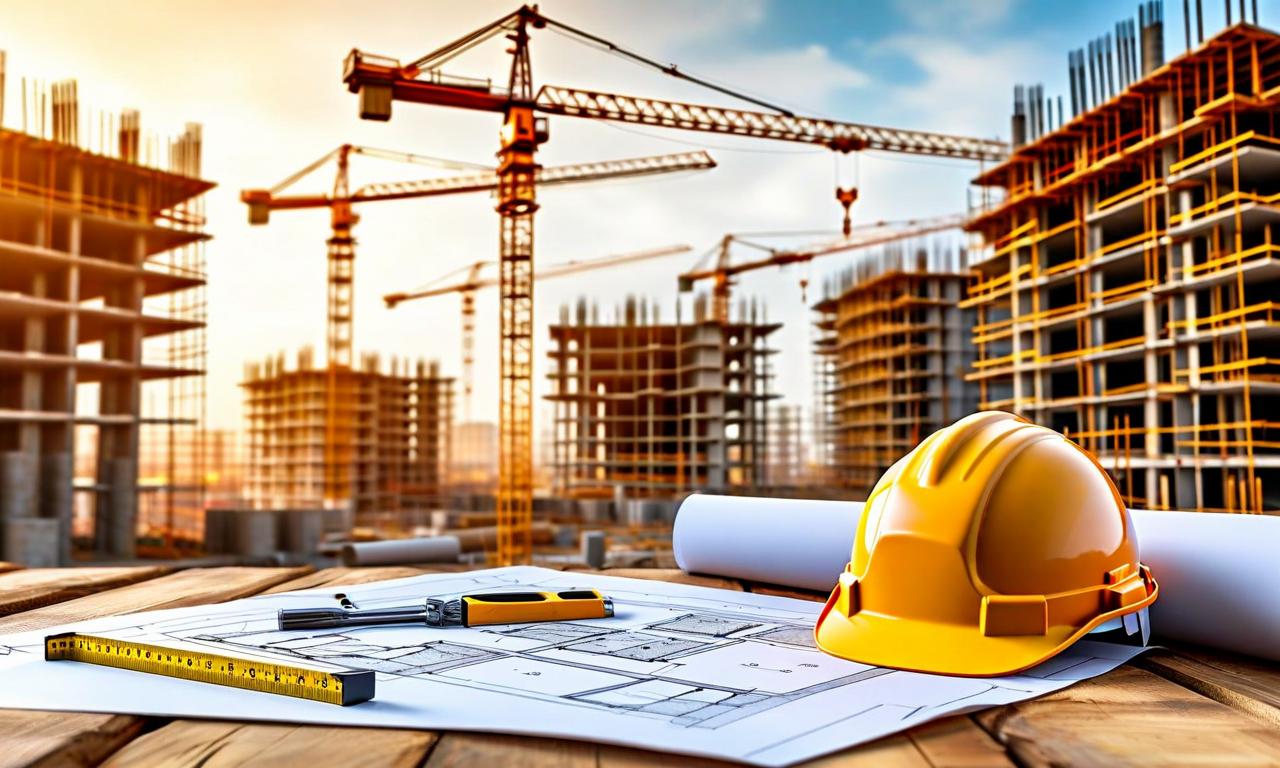

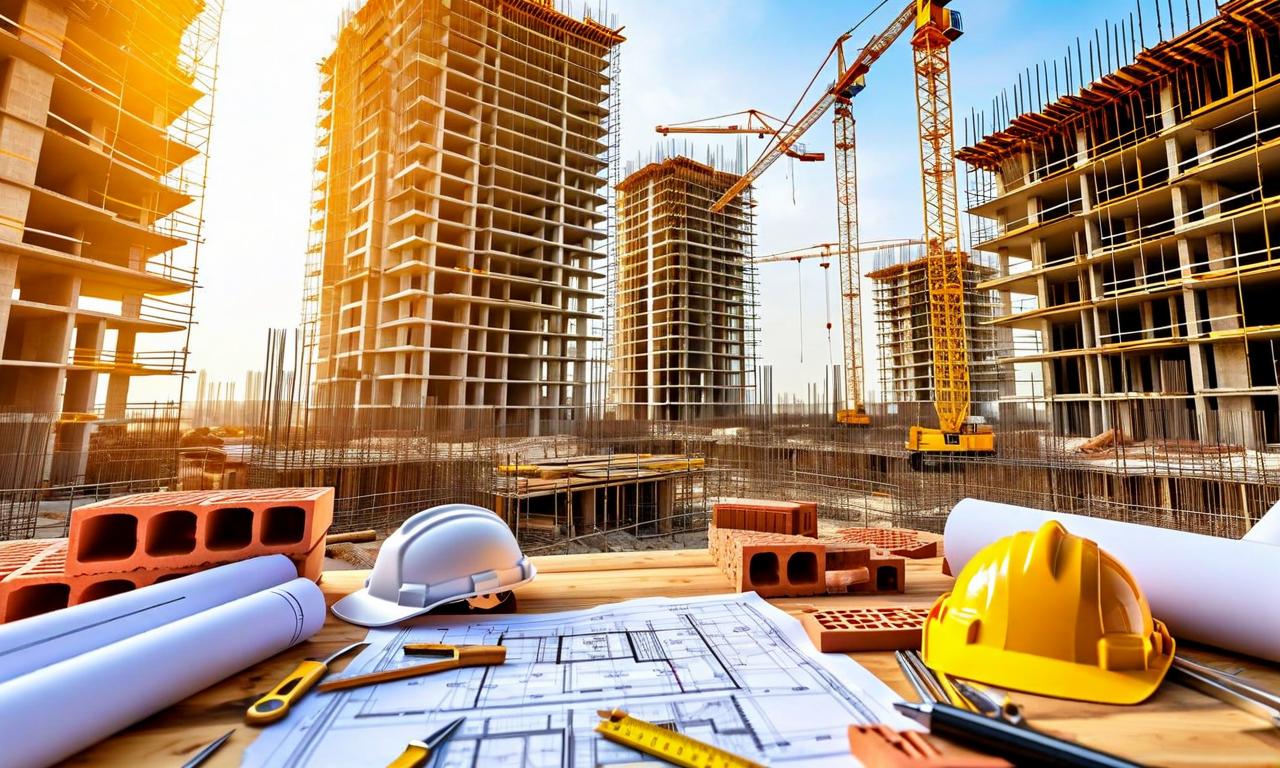
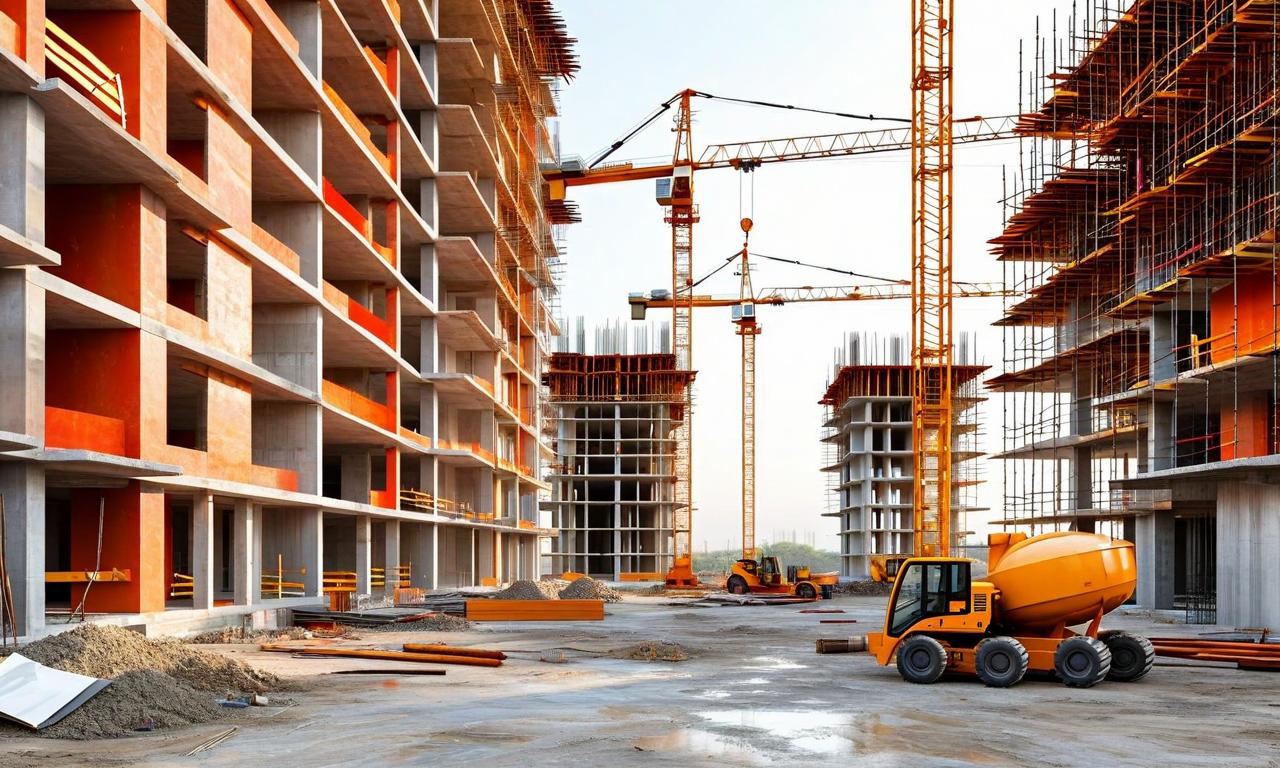
*this image is generated using AI for illustrative purposes only.
As Union Budget 2026 approaches, leaders across real estate, infrastructure, energy, and manufacturing sectors are presenting a unified call for policy continuity while addressing sector-specific structural challenges. With infrastructure spending continuing to anchor India's growth story, stakeholders emphasize the need for sustained momentum rather than dramatic policy shifts.
Commercial Real Estate Emphasizes Stability Over Incentives
Commercial real estate leaders indicate that Budget 2026 does not require dramatic announcements, with policy stability and predictability taking precedence over new incentives. Utkarsh Kawatra, CEO and Co-Founder of myHQ by ANAROCK, highlights that companies are expanding cautiously and testing new markets before committing to large leases, making consistent policy framework more valuable than short-term benefits.
| Commercial Real Estate Priority | Current Challenge | Required Action |
|---|---|---|
| Policy Framework | Lack of regulatory recognition for flex offices | Formal asset class recognition |
| GST Structure | Unclear framework for flex operators | Clearer GST guidelines |
| Digital Systems | Complex agreement registration | Seamless digital processes |
| Infrastructure Investment | Transit corridor development | Continued capex focus |
Infrastructure investment is reshaping office demand across transit corridors and Tier-2 cities, driving increased demand for flexible and managed offices. Despite strong growth momentum, the flex office sector still lacks formal regulatory recognition. Aashit Verma, Founder of Hanto Workspace, calls for a clearer GST framework, input credit clarity on leasehold capex, seamless digital registration of agreements, and formal recognition of flex operators as a distinct asset class.
Housing Sector Demands Affordability and Financing Reforms
The housing sector continues to face affordability pressures, with industry leaders calling for comprehensive reforms to address market realities. Shishir Baijal, Chairman and Managing Director of Knight Frank India, emphasizes that affordable housing remains under pressure due to elevated costs and outdated incentive thresholds, requiring realignment of housing incentives with current market conditions.
| Housing Sector Expectation | Current Status | Proposed Solution |
|---|---|---|
| Industry Status | Real estate lacks formal recognition | Grant industry status |
| CLSS Extension | Scheme requires continuation | Extend Credit Linked Subsidy Scheme |
| Tax Structure | High GST and stamp duty burden | Rationalize tax components |
| Home Loan Benefits | Limited interest deductions | Increase deduction limits |
| Rental Housing | Underutilized stock | Create formal rental ecosystem |
Developers including Pradeep Aggarwal of Signature Global, Ashok Kapur of Krisumi Corporation, Vikas Bhasin of Saya Group, and Ankur Jalan of Golden Growth Fund have reiterated demands for industry status for real estate, extension of the Credit Linked Subsidy Scheme, rationalization of GST and stamp duty, and higher home loan interest deductions to support end-user demand. The focus includes creating a formal rental housing ecosystem to unlock underutilized stock and attract institutional capital.
Infrastructure and Manufacturing Seek Sustained Capital Expenditure
Infrastructure players expect the government to maintain momentum on capital expenditure, with public spending continuing to serve as a growth anchor. Rajan Luthra, CFO of ACE-Action Construction Equipment, notes that public capex continues to drive growth, while GST rationalization, improved liquidity, and digital adoption can encourage private investment participation.
| Infrastructure Focus Area | Key Requirements |
|---|---|
| Roads and Highways | Continued development focus |
| Digital Transformation | Planning, construction, tolling upgrades |
| Critical Materials | Duty rationalization |
| Green Technologies | Enhanced incentives |
| Approval Processes | Single-window mechanisms |
Mohit Jandu of J Infratech highlights the importance of continued focus on roads and highways, along with digital transformation across planning, construction, and tolling systems. Sanjay Choudhari, Chairman of SBL Energy, calls for duty rationalization on critical materials, incentives for green technologies, and streamlined approvals through single-window mechanisms to unlock private investment in infrastructure and mining sectors.
Energy and Sustainability Push for Structural Reforms
Renewable energy leaders emphasize policy continuity while seeking enhanced support for clean energy transition. Akshat Jain, CEO of KLK Ventures, identifies enhanced incentives for solar infrastructure, domestic manufacturing, energy storage, and smart grids as critical components for India's clean energy goals. The sector requires sustained policy support to maintain growth momentum and achieve long-term sustainability targets.
Raj Kumar Medimi of Trinity Cleantech stresses the need for transmission and distribution upgrades, quality benchmarks, and faster payments to MSMEs to support sector development. On sustainability priorities, Amit Banka, Founder of WeNaturalists, urges the government to treat water as a national priority, proposing large-scale investments in water capture and redistribution infrastructure to address scarcity-driven migration, urban stress, and livelihood disruption.
The collective expectations from industry leaders suggest that Union Budget 2026 should focus on maintaining policy consistency while addressing sector-specific challenges through targeted reforms, sustained capital expenditure, and structural improvements to support India's continued economic growth across multiple sectors.
 20
20






 Access Market Heat-map & Insights
  Create, Save & Share your Screener
  Use 200+ Screening Filters





