Market Wrap: Sensex Falls 322 Points, Nifty Below 26,300 on IT Decline

2 min read     Updated on 05 Jan 2026, 01:11 PM
scanx
Reviewed by
Shriram SScanX News Team
Overview

Indian markets closed lower with Sensex down 322 points and Nifty below 26,300 as IT sector pressure from US tariff concerns offset corporate earnings optimism. HDFC Bank's 2.40% decline on funding cost worries weighed on indices, while smallcaps outperformed midcaps. Experts remain moderately positive citing strong bank credit growth and improved GST collections ahead of earnings season.

29144479

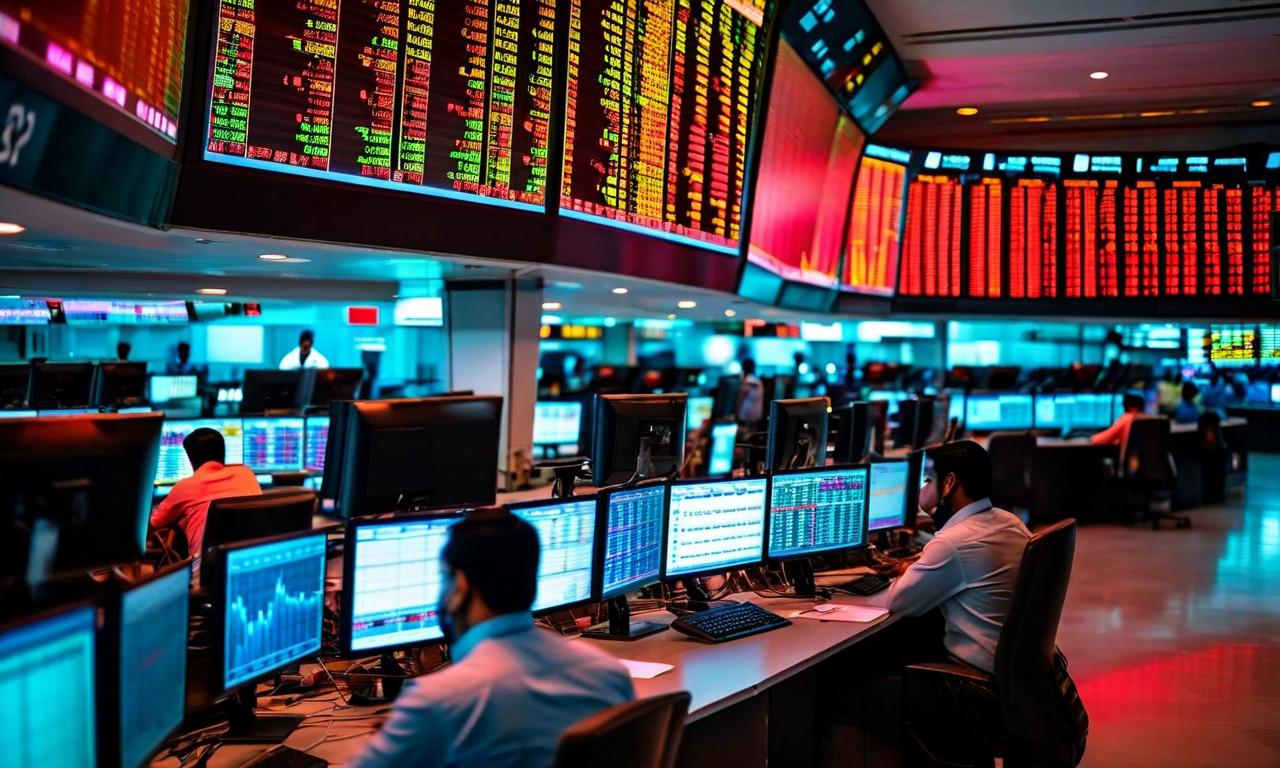
*this image is generated using AI for illustrative purposes only.

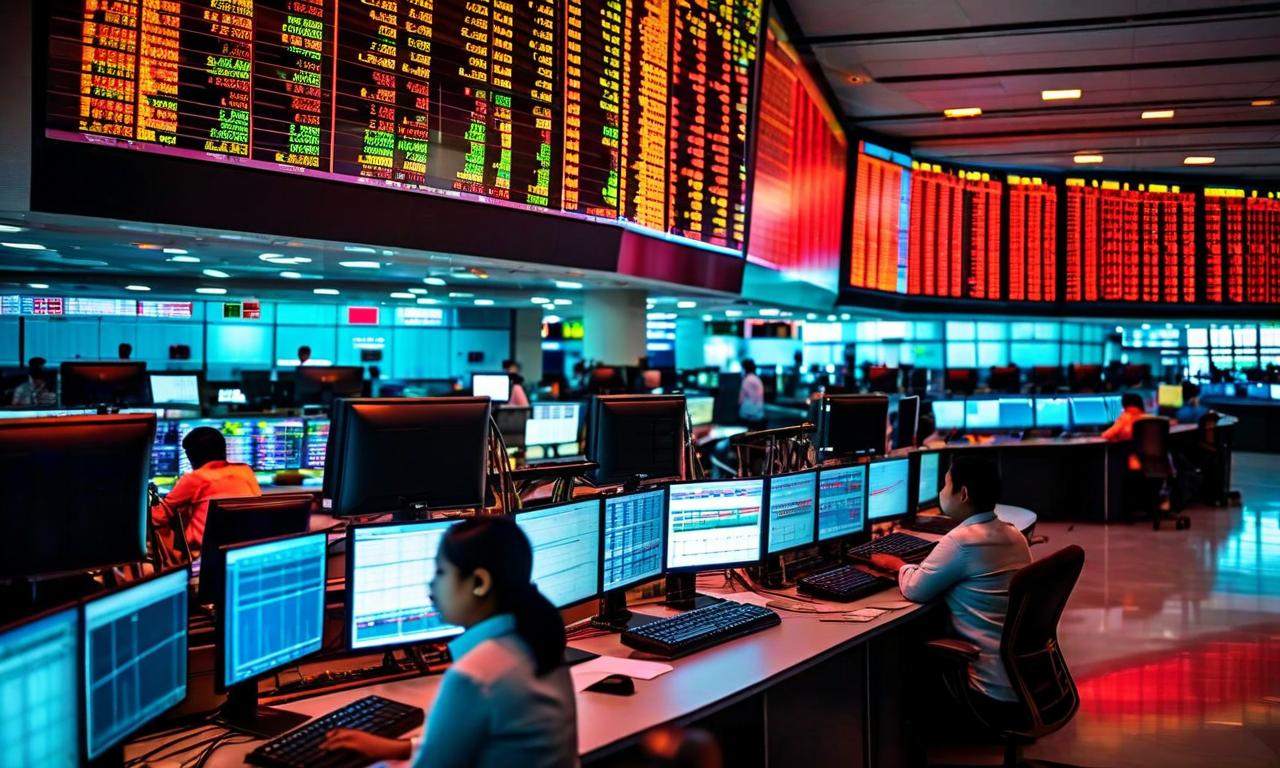
Indian benchmark indices closed lower on Monday as selling pressure in IT stocks and concerns over additional US tariffs offset optimism from upbeat corporate updates ahead of quarterly earnings season. The Nifty slipped below the 26,300 mark despite touching a fresh lifetime high during the session, while market breadth tilted in favour of declines.

Benchmark Performance

The BSE Sensex closed 322.39 points lower at 85,439.62, while the NSE Nifty 50 fell 78.25 points to end at 26,250.30. During the trading session, the Nifty hit a record high of 26,373 before paring gains, reflecting the volatile nature of Monday's trading session.

Index Closing Level Change (Points) Change (%)
BSE Sensex 85,439.62 -322.39 -0.38%
NSE Nifty 50 26,250.30 -78.25 -0.30%
Nifty Midcap 100 61,266 -100 -0.16%

Sectoral Performance and Key Movers

IT stocks came under significant pressure following concerns over additional US tariffs, with the Nifty IT index declining 1.40%. The sector, which derives substantial revenue from the US market, faced headwinds ahead of earnings season beginning next week. HCL Technologies slid 2.20%, while Tech Mahindra declined about 1.00%.

HDFC Bank, the largest constituent on benchmark indexes, dropped 2.40% after its business update showed loan growth outpacing deposit growth, raising concerns about funding costs. The stock weighed heavily on both indices, contributing significantly to the overall weakness.

Top Decliners Performance Sector Impact
HDFC Bank -2.40% Banking
HCL Technologies -2.20% IT
Infosys -1.00%+ IT
Tech Mahindra -1.00% IT

Broader Market Trends

The Nifty Midcap index touched a fresh peak of 61,520 during the session before closing 100 points lower at 61,266. Market breadth weakened significantly, with midcap shares slipping 0.20% while small-cap stocks outperformed, rising 0.50% on the day.

Defence and consumer stocks led the gains from the Sensex basket. Nestle India gained 3.00%, while Bharat Electronics rose 3.00% on expectations of higher budgetary allocation for defence spending. Eicher Motors hit record highs during the session along with Asian Paints emerging as major gainers.

Market Outlook and Expert Views

Domestic markets began the first full week on a cautious footing, as Indian 10-year bond yields reflected expectations of elevated government borrowing. However, positive indicators emerged with December GST collections showing a rebound after November's dip, while the manufacturing PMI moderated but stayed firmly in expansionary territory.

Vinod Nair, Head of Research at Geojit Investments, noted that early trends in bank credit and advances indicate strong momentum, supporting overall optimism. Looking ahead, quarterly earnings will dominate focus and guide near-term market trends, with sentiment remaining moderately positive despite Monday's decline.

Market Indicators Status
December GST Collections Rebounded
Manufacturing PMI Expansionary
Bank Credit Growth Strong Momentum
Market Sentiment Moderately Positive

Historical Stock Returns for BSE

1 Day5 Days1 Month6 Months1 Year5 Years
-1.85%+2.35%-4.33%+2.19%+49.99%+3,672.58%

Sensex at 40: BSE Bets on Index Investing, Market Depth to Drive Next Phase of Growth

3 min read     Updated on 05 Jan 2026, 09:15 AM
scanx
Reviewed by
Riya DScanX News Team
Overview

BSE MD Sundararaman Ramamurthy highlights Sensex's 40-year journey as a trusted market barometer, representing 40% of India's market capitalisation across 11 major sectors. BSE's strategic acquisition of full index ownership from S&P Dow Jones enables faster domestic decision-making, while the exchange's technology-driven turnaround expanded derivatives capacity from 10 crore to 1,800 crore daily orders. Regulatory changes in derivatives have actually helped BSE establish new products, with the exchange positioning for future growth through deeper index investing and improved market infrastructure.

29130295

*this image is generated using AI for illustrative purposes only.

As the benchmark Sensex completes 40 years, BSE MD and CEO Sundararaman Ramamurthy says the index's enduring relevance lies in its ability to evolve with India's changing capital markets while remaining a trusted barometer of economic health. Speaking to ET Now, Ramamurthy emphasized that the longevity of any index depends on its construction methodology, periodic rebalancing, and ability to adapt to market realities.

Sensex: Four Decades of Market Leadership

Ramamurthy highlighted that Sensex has consistently evolved with global best practices, transforming into a free-float market capitalisation index with a transparent inclusion and exclusion framework. Despite tracking only 30 stocks, the index maintains significant market influence and broad sectoral representation.

Parameter: Details
Market Representation: Nearly 40% of India's total market capitalisation
Sectoral Coverage: 11 of India's 12 major sectors
Risk Profile: Minimal diversifiable risk with strong market correlation
Market Position: First reference point for market movements

"That is why Sensex continues to be the first reference point whenever markets move," Ramamurthy added, noting the index's broad sectoral representation ensures strong correlation with the wider market.

Strategic Index Business Acquisition

Explaining the strategic rationale behind BSE acquiring full ownership of its index arm by buying out the S&P Dow Jones stake, Ramamurthy said index administration is central to India's capital formation story. In a fast-growing economy like India, index investing and index-linked mutual funds serve as critical channels for retail participation in capital markets.

"Decision-making had to be faster and fully aligned with domestic market needs. That required management control to be in India," he explained. With Sensex now managed as a 100% BSE subsidiary, the exchange has greater flexibility to introduce new indices, respond to investor trends, and support long-term economic objectives.

Technology-Driven Turnaround Strategy

Ramamurthy credited BSE's turnaround over the past three years to a sharp focus on identifying market gaps, cutting inefficiencies, and investing in technology. "If you identify a gap and fill it, you earn your right to exist," he said.

The exchange's transformation involved several key initiatives:

  • Cost optimisation and filling long-vacant positions
  • Cultural change within the organisation
  • Massive upgrade in trading infrastructure
  • Enhanced derivatives processing capabilities

BSE's derivatives processing capacity has expanded dramatically, showcasing the exchange's technological advancement:

Metric: Previous Capacity Current Capacity
Daily Orders: 10 crore orders Nearly 1,800 crore orders
Processing Speed: - Over 22 lakh orders per second

Regulatory Environment and Market Stability

On the frequent regulatory changes in the derivatives segment over the past year, Ramamurthy said India's regulatory framework is consultative rather than unilateral. "Evolution can be painful, but these changes were driven by investor protection and market quality, not disruption," he said.

While the broader derivatives market went through a phase of stabilisation, BSE benefited as a relatively recent entrant in index derivatives. "For us, the regulatory changes actually helped establish new products and gain traction," he noted.

Addressing concerns around uncertainty in derivatives regulations, Ramamurthy said clarity has improved significantly. "The intent is not to kill products or restrict participation, but to enhance awareness, protection and market depth. The regulatory environment today is progressive and constructive," he said.

Future Growth Outlook

As Sensex enters its fifth decade, BSE believes deeper index investing, improved market infrastructure, and collaborative regulation will continue to anchor India's equity markets in the years ahead. The exchange's focus on listening to market participants, addressing concentration risk concerns, and introducing differentiated products such as Sensex derivatives has been critical to its recovery and future positioning.

Historical Stock Returns for BSE

1 Day5 Days1 Month6 Months1 Year5 Years
-1.85%+2.35%-4.33%+2.19%+49.99%+3,672.58%
More News on BSE
Explore Other Articles
Transformers & Rectifiers Targets ₹8000 Crore Order Book by FY26 End 1 hour ago
Reliance Industries Schedules Board Meeting for January 16, 2026 to Approve Q3FY26 Financial Results 2 hours ago
Elpro International Acquires Additional Stake in Sundrop Brands for ₹39.18 Crores 4 minutes ago
Genesis IBRC India Limited Announces Complete Promoter Exit Through Share Transfer 45 minutes ago
Krishival Foods Limited Completes Rights Issue Allotment of 3.33 Lakh Partly Paid-Up Equity Shares 1 hour ago
Raymond Realty Board Approves Employee Stock Option Plan 2025 Following Demerger 1 hour ago
2,694.00
-50.90
(-1.85%)